




The Rise of the Digital Gatekeeper
For decades, international travel fell into two camps: countries you needed a cumbersome visa for, and those you could enter with just a passport. That clear line is blurring. Governments worldwide are rolling out digital systems that require travellers
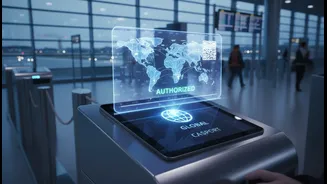
to get online approval before they even head to the airport. The two most common forms are e-Visas and Electronic Travel Authorisations (ETAs). An e-Visa is a full digital equivalent of a traditional visa, often for countries where one was already required. An ETA, however, is a newer concept. It’s a lighter, digital permission slip for travellers from countries who previously did not need a visa. Systems like the United States' ESTA, Canada's eTA, and Australia's own ETA have been around for years, but the trend is now going global.
Europe and the UK Lead the Charge
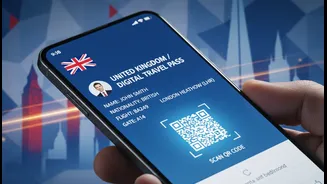
The most significant changes are coming from Europe and the United Kingdom. The European Union is preparing to launch its European Travel Information and Authorisation System (ETIAS) in late 2026. This will require visitors from 59 previously visa-exempt countries to apply for pre-travel clearance online. The ETIAS, which will cost around €20, will be electronically linked to a traveller's passport and valid for three years. Similarly, the UK's Electronic Travel Authorisation (ETA) scheme is now mandatory as of February 2026. It requires visitors who don't need a UK visa to get pre-approval. For both systems, airlines will be responsible for checking that passengers have the necessary authorisation before allowing them to board. No ETA or ETIAS means no travel.
The Promise of Seamless Security
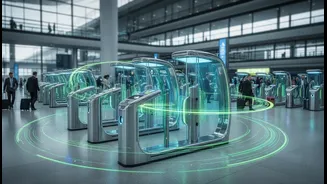
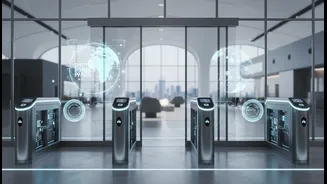
From a government perspective, the logic is clear: security. These digital systems allow authorities to screen travellers against security databases and watchlists before they arrive, not at a crowded border checkpoint. Proponents argue this 'upstream' vetting identifies potential threats earlier, strengthens border integrity, and ultimately speeds up entry for the vast majority of legitimate travellers. By replacing manual passport stamps with digital records, systems like the EU's accompanying Entry/Exit System (EES) can also more accurately track who enters and exits and whether they comply with stay limits. The goal is to create a more secure, efficient, and modern border that can handle growing travel volumes.
The Hidden Costs and Concerns
For travellers, the shift isn't without friction. What was once free and spontaneous travel now comes with a new administrative hurdle and a fee. Beyond the cost, there are significant privacy concerns. These systems collect and store vast amounts of personal data, from biometric details to travel plans and contact information. Some application processes even request social media handles, raising questions about freedom of expression and the potential for algorithmic bias in decision-making. A poorly designed system can also create barriers for those with limited digital literacy or internet access. Furthermore, as one system outage in the UK showed in June 2026, a technical glitch can abruptly halt travel plans for legitimate visitors.
The Impact on Indian Globetrotters
For Indian passport holders, the implications are twofold. For countries like the UK, where a visa is already required, the process is becoming fully digital. As of 2026, the UK is phasing out physical visa stickers in passports in favour of eVisas, which are linked to an online account. While biometric appointments at application centres remain, the visa itself lives online. For destinations that may have offered visa-free access or might in the future, systems like ETIAS represent a new requirement to plan for. The key takeaway for Indian travellers is that the visa landscape is becoming entirely electronic. Whether it's a full eVisa or a lighter ETA, nearly every international journey will soon require some form of digital pre-authorisation, and it will be essential to ensure your passport details are correctly linked to your digital permissions before travel.