




The Science of a Gentle Heat
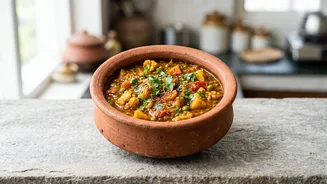
Unlike metal pans that heat up quickly and can create aggressive hot spots, clay pots work differently. Because clay is porous and a natural insulator, it absorbs heat slowly and distributes it evenly throughout the pot. This creates a gentle, consistent
cooking environment. Instead of shocking the food with high temperatures, the clay pot cooks with a steady, far-infrared heat that penetrates ingredients deeply without destroying their structure. This slow-cooking process is key to developing complex flavours, allowing masalas and ingredients to meld together gradually and thoroughly.
Preserving Precious Spice Aromas
The volatile oils in spices like cardamom, cloves, and cumin are what give Indian dishes their signature, complex aromas. These aromatic compounds, however, are delicate. The harsh, direct heat of a metal pan can cause these oils to evaporate too quickly or even burn, resulting in a loss of fragrance and a flatter flavour profile. The gentle, even heat of a clay pot is far kinder to these sensitive compounds. It allows the spices to release their oils slowly, ensuring they infuse the entire dish without being destroyed. The porous walls also trap and circulate steam, which helps carry these aromatic notes deep into every morsel of food.
Locking in Nutrients and Moisture
That same slow, gentle cooking process does more than just protect flavour; it also helps preserve the nutritional value of your food. High temperatures can degrade heat-sensitive nutrients, like certain B vitamins and vitamin C. Cooking in clay helps maintain a lower, more stable temperature, which can help retain more of these essential vitamins and minerals. Furthermore, the porous nature of clay allows it to absorb water and then release it as steam during cooking. This creates a natural self-basting effect, keeping dishes moist and tender without the need for excess oil or water, which can leach away water-soluble nutrients. The food effectively cooks in its own juices, concentrating both its flavour and its goodness.
A Healthier, More Balanced Flavour
Clay offers another subtle but significant benefit: it is naturally alkaline. Many ingredients common in Indian cooking, such as tomatoes and tamarind, are acidic. When cooked in a clay pot, the alkaline properties of the clay can help neutralize some of this acidity, resulting in a more balanced and rounded flavour. This can make dishes taste naturally sweeter and less sharp, and it may also be gentler on the digestive system for those sensitive to acidic foods. Because moisture is so well-retained, you often need less oil for cooking, which can lead to lighter, healthier meals without sacrificing richness.
An Eco-Friendly Tradition
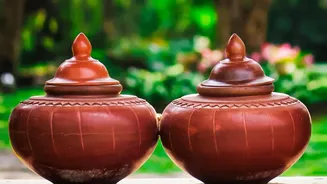
Beyond the kitchen, choosing clay is a nod to a more sustainable way of living. Earthenware is made from a natural, renewable resource and is biodegradable, meaning it can return to the earth without leaving behind harmful waste. Unlike synthetic non-stick coatings that can degrade and release chemicals, pure clay pots are free from toxins. By opting for clay cookware, you are not only embracing a cooking method that has been perfected over centuries but also making an environmentally conscious choice that connects your modern kitchen to ancient, sustainable practices.