



The Gardener's Paradox: To Get More, Take More
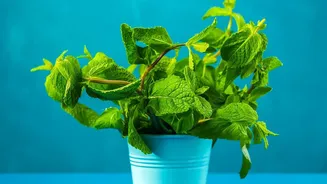
It feels counterintuitive to cut a plant back in order to help it thrive, but that is precisely the case with mint. Many gardeners, especially beginners, hesitate to harvest their herbs, fearing they might harm the plant. They pluck individual leaves,
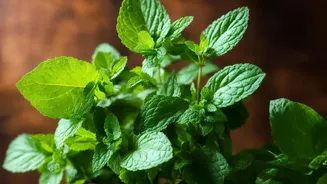
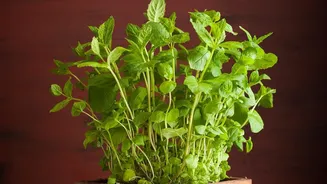
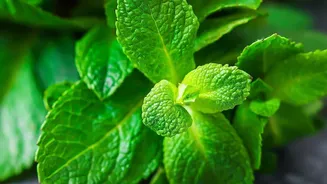
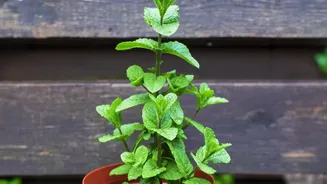
hoping to leave the main structure intact. However, this approach often leads to the opposite of the desired effect: a 'leggy' plant with long, weak stems and sparse foliage. Mint is a vigorous grower, and regular 'pruning'—which in this case is simply harvesting—is the single most effective way to encourage it to grow outward instead of just upward. This practice doesn't just keep the plant looking neat; it stimulates the growth that results in a dense, productive, and healthy mint patch.
Understanding the Science of a Bushier Plant
The reason this works lies in a biological process called apical dominance. In many plants, the main, central stem grows more strongly than the side stems. This is because the tip of the main stem produces hormones that suppress the growth of the buds lower down on the stem. When you snip off the top of the main stem, you remove the source of these suppressive hormones. This sends a signal to the plant to redirect its energy into the side shoots, which are located at the 'nodes' where leaves join the stem. These once-dormant buds are then stimulated to grow, often resulting in two new stems branching out where there was previously only one. Each time you do this, you are effectively doubling the growth potential from that point, leading to a much fuller, bushier plant.
The Right Way to Harvest Your Mint
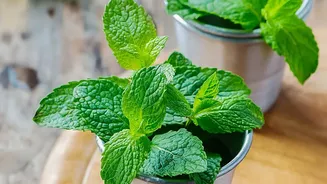
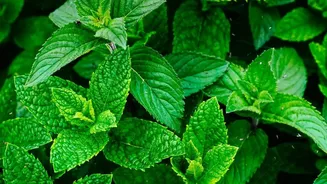
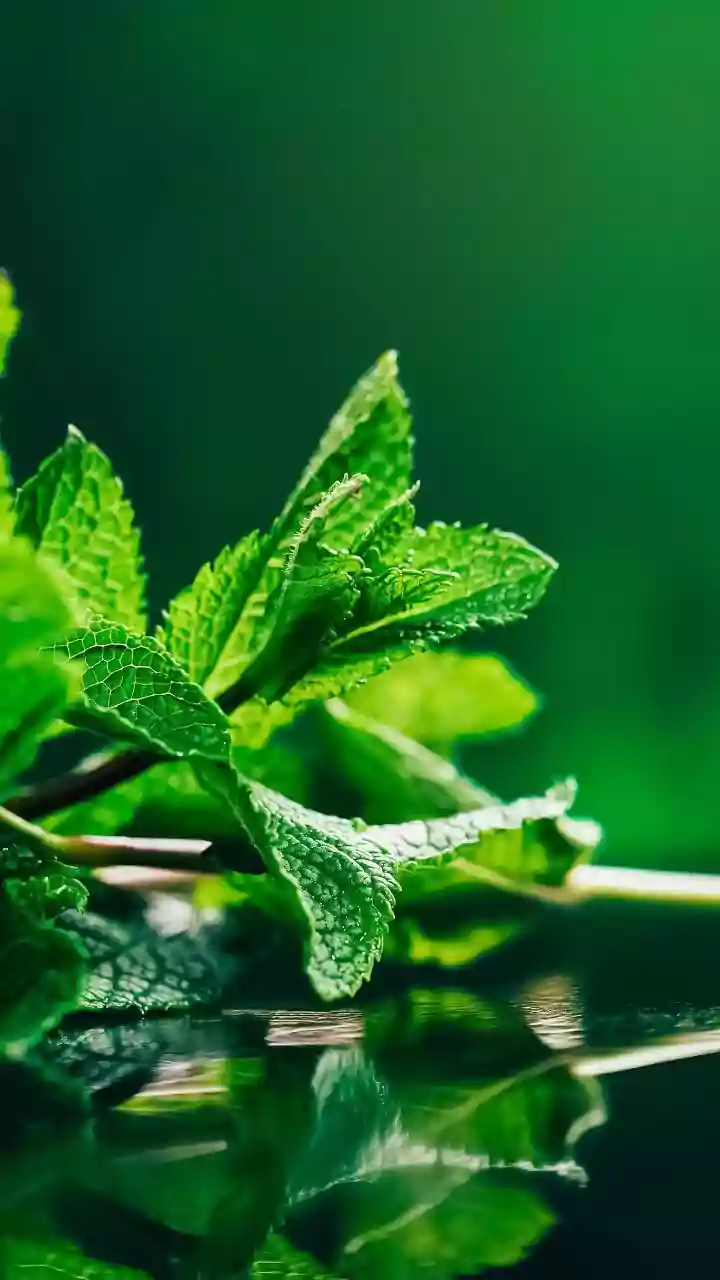
Proper technique is key to getting the best results. First, always use clean, sharp scissors or pruning shears to make your cuts. Tearing or ripping stems can damage the plant and make it more susceptible to disease. Instead of plucking individual leaves, identify a stem and look down from the top. You will see pairs of leaves growing opposite each other. The goal is to cut the stem about a quarter-inch above one of these leaf pairs. You can take just the top few inches, which contain the youngest and most flavourful leaves, or you can cut the stem further back. As a general rule, avoid taking more than one-third of the entire plant at any single time, ensuring it has enough foliage left to photosynthesize and recover.
Timing and Frequency Are Everything
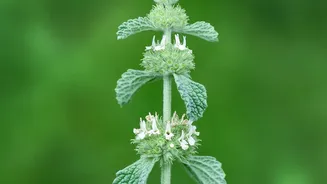
Mint can be harvested throughout its growing season, from late spring into autumn. For the best flavour, the ideal time to harvest is just before the plant begins to flower, as this is when the concentration of its essential oils is at its peak. The best time of day to cut your mint is in the morning, after the dew has dried but before the heat of the sun intensifies, which can cause some of the aromatic oils to dissipate. How often you should harvest depends on how quickly your plant is growing and how much mint you need. A light trim can be done anytime you need a few sprigs. For a larger harvest and to promote bushiness, a more significant trim every few weeks is effective.
Beyond the Harvest: Supporting Healthy Growth
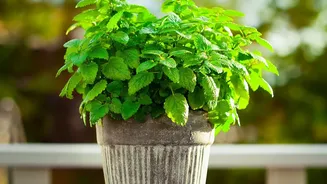
Regularly harvesting your mint is the most important step for a full plant, but it works best in combination with good overall care. After you trim your stems, the plant will be putting energy into creating new growth, so make sure it has the resources it needs. Ensure your mint plant receives plenty of sunlight—at least four to six hours a day is ideal. Mint also prefers consistently moist soil, so water it regularly, especially during dry spells or if it’s in a container, which can dry out quickly. Also, keep an eye out for flower buds. Unless you want to attract pollinators, pinching off these buds as they appear will ensure the plant continues to focus its energy on producing flavourful leaves rather than seeds.