







An Unexpected Digital Revival
Scroll through the Instagram stories of a 20-something in urban India, and you might see something nestled between cafe-hopping Reels and concert clips: a beautifully designed graphic detailing the day's 'tithi' or 'nakshatra'. This isn't your grandmother’s
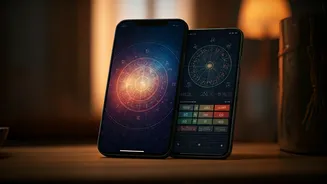
dog-eared almanac. It’s the Panchang, repackaged for a digital-native generation. Gen Z, a cohort often defined by its progressive, tech-forward outlook, is increasingly turning to this traditional astrological guide. They are screenshotting, saving, and sharing daily cosmic updates, not as a rigid religious obligation, but as a tool for navigating modern life. This phenomenon points to a fascinating cultural shift where ancient wisdom isn't being discarded but reformatted for a new audience.
What Is a Panchang, Anyway?
For the uninitiated, the Panchang is a traditional Hindu astrological almanac. The name itself breaks down into 'panch' (five) and 'ang' (limbs), referring to its five key elements: Tithi (the lunar day), Vara (the weekday), Nakshatra (the lunar mansion or constellation), Yoga (a specific astrological combination), and Karana (half a lunar day). For centuries, it has been the go-to guide for families to determine auspicious times for major life events, from weddings and housewarmings to starting a new business. It’s essentially a detailed cosmic calendar that provides a framework for aligning one’s actions with the supposed flow of universal energy. Traditionally consulted by priests or family elders, its wisdom is now being democratised and distilled into bite-sized, shareable content.
From Ritual to Self-Care
So, why the sudden interest? For many young Indians, the engagement isn’t necessarily rooted in deep religious piety. Instead, it’s being framed as a form of cosmic self-care. In a world saturated with uncertainty, from career anxiety to climate change, the Panchang offers a semblance of order and guidance. Knowing when it’s an 'auspicious day' to start a project or a 'good time' for important conversations provides a psychological anchor. It transforms astrology from a prescriptive set of rules into a personal wellness tool, much like a meditation app or a daily horoscope. It’s less about divine decree and more about personal alignment and mindfulness, a way to feel in control when so much feels chaotic.
The Aesthetic of Ancient Wisdom
A huge part of the Panchang's digital success is its aesthetic makeover. The dense tables and complex terminology of old have been replaced by minimalist graphics, pastel colour palettes, and elegant typography. 'Astro-influencers' and wellness accounts are breaking down complex concepts like 'Rahu Kaal' (an inauspicious period of the day) into sleek, easily digestible Instagram carousels and 30-second Reels. This visual appeal makes the content feel modern and accessible, removing the intimidating barrier of traditional texts. The act of sharing a post about the day’s Nakshatra becomes a form of digital identity curation—a way of signalling a connection to one’s culture while embracing a modern, spiritual-but-not-religious vibe.
A Bridge to Cultural Roots
This trend also speaks to a broader search for identity among Gen Z. For many young Indians, especially those living in urban centres or abroad, engaging with the Panchang is a way to connect with their heritage on their own terms. It offers a link to cultural traditions without the dogma or patriarchal structures they may associate with organised religion. By choosing which parts of the tradition to adopt—like noting auspicious timings while ignoring stricter rules—they are actively negotiating their relationship with their culture. It’s a quiet rebellion against the notion that one must either accept tradition wholesale or reject it entirely. Instead, they are curating a personalised, hybrid identity that is both proudly Indian and unapologetically modern.