



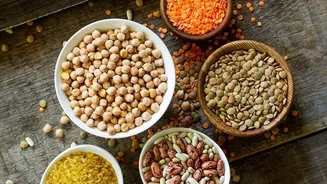

Urad dal is a cornerstone of Indian cuisine, essential for everything from creamy dal makhani to fluffy idlis. Yet, achieving the perfect texture can be elusive. This guide unlocks the secrets to soaking and cooking this versatile lentil.
Why Soaking is a Non-Negotiable First Step
Skipping the
soaking process is a common mistake that can compromise your final dish. Soaking urad dal does more than just soften it; it's a crucial step for nutritional and digestive reasons. Dal contains natural compounds like phytic acid and tannins, which can hinder the absorption of essential minerals like iron and zinc. Soaking significantly reduces these 'anti-nutrients'. It also helps break down complex sugars called oligosaccharides, which are responsible for the bloating and gas some people experience after eating lentils. By soaking the dal and discarding the water, you make it much easier on your digestive system. Furthermore, a well-soaked dal cooks faster and more evenly, leading to a superior texture and better nutrient retention.
A Guide to Soaking Times for Different Urad Dal
Not all urad dal is the same, and the soaking time varies depending on the type you are using. Properly washed dal should be submerged in ample fresh water, as the grains will expand. - Whole Black Urad (Sabut Urad): This is the dal with its black skin intact, used for dishes like Dal Makhani. It is the densest variety and requires the longest soaking time. For the creamiest texture, soak it for a minimum of 6 to 8 hours, or ideally, overnight. This extended soak is key to achieving that melt-in-the-mouth consistency. - Split Black Urad (Urad Dal Chilka): This is the split version with the skin still on. It requires less soaking time than its whole counterpart. A soaking period of 3 to 4 hours is generally sufficient. - Split and Skinned White Urad (Urad Dal Dhuli): This is the most common variety used for idli, dosa, and vadas. Since its tough outer skin has been removed, it needs the least amount of soaking. Aim for 1 to 2 hours. Some recipes for idli or dosa batter may call for a longer soak of 4 to 6 hours, which can aid in fermentation and result in a fluffier texture.
Common Soaking and Cooking Mistakes to Avoid
Even with the best intentions, a few simple errors can affect your dal. One major mistake is adding acidic ingredients like tomatoes, tamarind, or lemon juice too early in the cooking process. Acid can prevent the dal from softening properly, resulting in an uneven texture with firm grains in a mushy liquid. Always cook the dal until completely soft before adding any acidic components. Another common error is adding salt at the very beginning when pressure cooking, which can also toughen the lentils. It's best to add salt after the dal has cooked and softened. Finally, be mindful of using dal that is very old. Aged lentils lose moisture and can remain stubbornly hard, no matter how long they are soaked or cooked.
Mastering the Art of Cooking
Once soaked, the cooking method depends on your desired outcome. For a creamy, homogenous dal like Dal Makhani, a pressure cooker is your best friend. After sautéing aromatics like onions, ginger, and garlic, add the soaked and drained whole urad dal with fresh water. Pressure cook on high heat for several whistles, then reduce the heat and let it cook for another 15–20 minutes to ensure it becomes incredibly soft. For a perfect consistency, the cooked grains should easily mash between your fingers. For dals where you want the grains to hold their shape a bit more, an open pot method or fewer whistles in the pressure cooker will work well. A key tip for a creamy dal without a greasy feel is to simmer it on low heat after the initial cooking, allowing the flavours to meld and the texture to thicken naturally.
Special Considerations for Idli and Dosa Batter
When making batter for idli or dosa, the process is slightly different. Urad dal and rice are typically soaked separately, often overnight or for at least 6–8 hours. Many recipes recommend adding a teaspoon of fenugreek (methi) seeds to the urad dal while it soaks, as this aids in fermentation and creates softer idlis. After soaking, the dal should be ground into a very smooth, fine, and fluffy paste, adding water judiciously to avoid a thin batter. This aerated urad dal batter is what gives idlis their characteristic light and spongy texture. The ground rice and dal batters are then combined, salted, and left to ferment in a warm place for 8–12 hours until risen.