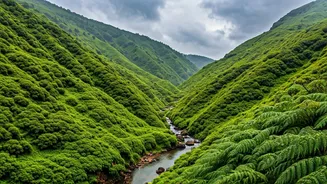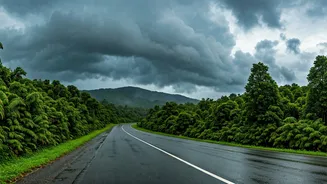




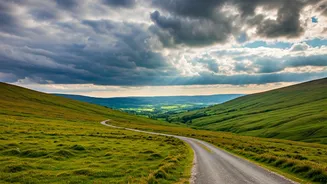
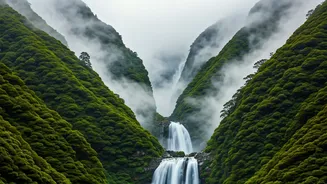


The Reality Beyond the Reels
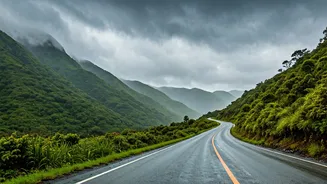
Those stunning videos of mist-covered hills and roaring waterfalls often leave out the other side of monsoon travel: the potential for danger and disruption. Heavy, concentrated downpours, which are becoming more common, can trigger flash floods and landslides
with little warning. As recently as late June 2026, states like Arunachal Pradesh and Assam have seen devastating monsoon fury, with floods and landslides causing road blockages and claiming lives. Even popular destinations like Mumbai and the Konkan coast frequently face red or orange alerts from the India Meteorological Department (IMD) due to forecasts of extremely heavy rain. This isn't just about getting a little wet; it's about blocked highways, cancelled trains, stranded vehicles, and in the worst cases, serious safety risks. Understanding these possibilities isn't meant to scare you off, but to prepare you.
Your Essential Forecast Toolkit
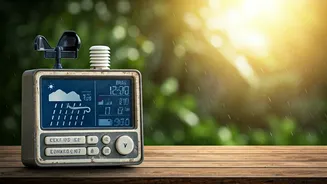
Treating the weather forecast as your primary travel guide is the most important step. The IMD is the official source, providing district-wise warnings and updates. It's crucial to understand their color-coded system. A 'Green' alert means no advisory is needed. 'Yellow' is a watch, asking you to stay updated. 'Orange' means 'Be Prepared' for severe weather that could disrupt travel. A 'Red' alert is a warning to 'Take Action' as severe conditions are expected that could pose a threat to life and property. Before you leave, and each day during your trip, check the IMD's website or app for the specific districts you are in or traveling through. These alerts help local authorities and citizens prepare, and they should help you decide whether it's safe to travel on a particular day.
Smart Planning for Unpredictable Weather
A good forecast is your first line of defense, but a flexible plan is your second. During monsoon, it's wise to avoid destinations known for being landslide-prone, such as certain high-altitude Himalayan routes. safer alternatives might include places in the Western Ghats or plateau regions that are beautiful but generally have better infrastructure. When booking, choose flexible tickets and accommodations if possible. Build buffer days into your itinerary; a two-day delay due to a blocked road is less stressful if you've planned for it. Your packing should also be strategic. Quick-drying clothes, waterproof footwear with a good grip, a waterproof bag for your electronics, and a first-aid kit with insect repellent are non-negotiable. It’s also wise to carry your own filtered or bottled water and be cautious with street food, as water contamination risks increase during this season.
Choosing Your Monsoon Adventure Wisely
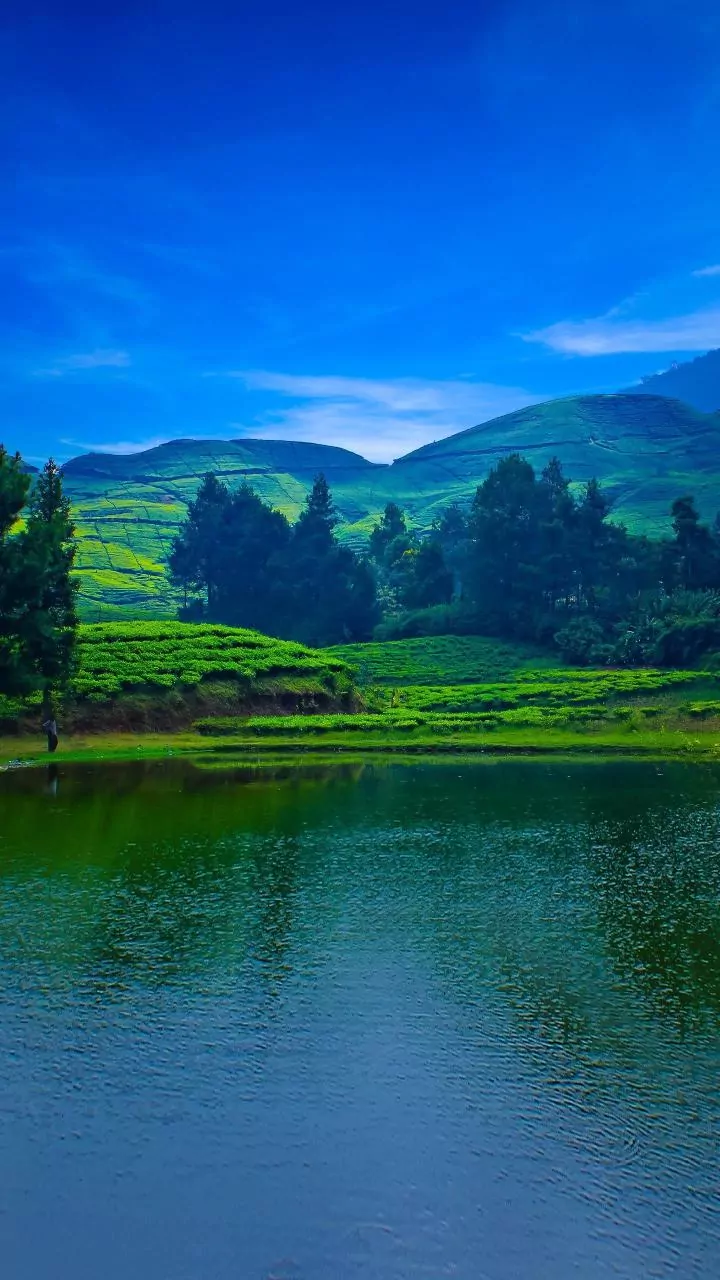
Not all monsoon destinations are created equal when it comes to safety. While the Himalayas offer stunning scenery, many areas become risky. Safer, yet equally beautiful, options can often be found in states like Kerala, Karnataka, and Maharashtra. Destinations like Coorg, Wayanad, and Munnar come alive in the rain, offering lush tea gardens and spectacular waterfalls. The Deccan Plateau and parts of Rajasthan receive less rainfall and can be explored without the intense crowds of peak season. The key is to research your chosen location's specific monsoon patterns. Some places, like those in the rain-shadow region of the Western Ghats, offer the green landscapes without the constant, torrential downpours. Ultimately, a bit of research helps you find a spot where you can enjoy the magic of the monsoon without the misery.