

The Great Texture Challenge
The core issue when combining chickpeas and artichokes lies in their very different structures. Chickpeas, especially the canned variety, are inherently soft and can break down easily, turning to mush when overcooked or stirred too vigorously. Artichoke
hearts, on the other hand, can range from wonderfully tender to disappointingly firm or even stringy, depending on whether they are canned, jarred in oil, or frozen. The goal is to treat each component with the respect it deserves, ensuring the chickpeas remain whole and creamy while the artichokes provide a satisfying, tender bite without being tough.
Choosing Your Ingredients Wisely
Success starts at the grocery store. For chickpeas, using dried ones that you cook yourself will give you much more control over the final texture. You can cook them until they are just tender but still hold their shape. If using canned chickpeas for convenience, be sure to rinse them well and pat them dry; this removes excess starch and helps them crisp up if you decide to roast them. For artichokes, those jarred in oil are often flavourful and tender. Canned versions packed in water are a great, less expensive option, but it's crucial to drain them well and pat them very dry to remove excess moisture before cooking. This prevents them from steaming instead of sautéing or roasting.
Key Preparation Techniques
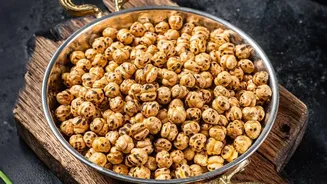
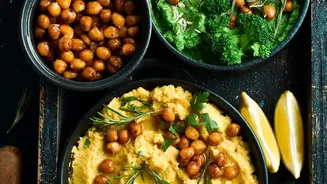
How you prepare your ingredients is just as important as which ones you choose. To create a textural contrast, roasting is your best friend. Tossing drained and dried chickpeas and artichoke quarters with olive oil and spices and roasting them at a high temperature (around 200°C) will make the chickpeas crispy and intensify the flavour of the artichokes. For a softer, more integrated dish like a stew, the timing of when you add the ingredients is critical. Sauté your aromatics and tougher vegetables first, then add liquids and finally the artichoke hearts and chickpeas toward the end of the cooking time. This gives them just enough time to heat through without disintegrating.
Recipe Idea: Crispy Roasted Artichoke and Chickpea Salad
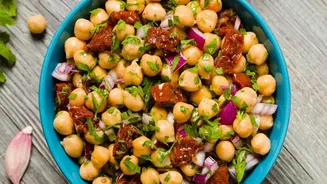
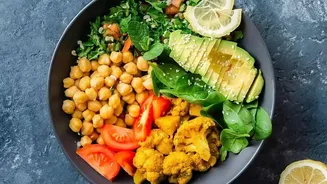
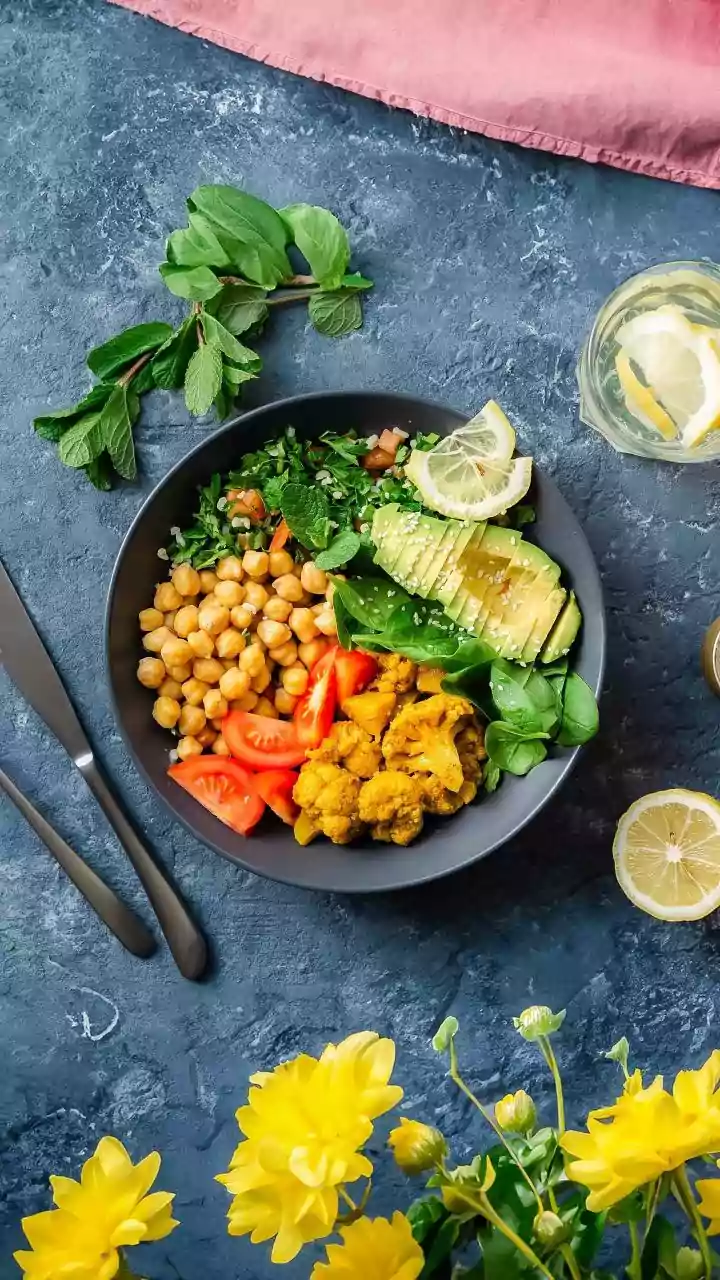
For a dish that celebrates contrast, a warm roasted salad is perfect. Toss one can of drained, rinsed, and thoroughly dried chickpeas and one jar of drained and quartered artichoke hearts with olive oil, salt, pepper, and garlic powder. Spread them on a baking sheet and roast for about 20-25 minutes, until the chickpeas are golden and crisp. While they're still warm, toss them with fresh greens, chopped red onion, feta cheese, and a zesty lemon-dijon vinaigrette. The warm, crispy elements will slightly wilt the greens, creating a delightful mix of temperatures and textures.
Recipe Idea: Hearty Chickpea and Artichoke Stew
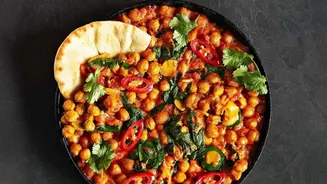
For a comforting meal where the textures meld together, a stew is an excellent choice. Start by sautéing onions and garlic, then add cubed potatoes, vegetable broth, and herbs like rosemary. Once the potatoes are nearly tender, stir in a can of chickpeas and a jar of quartered artichoke hearts. Let everything simmer for just another 5-10 minutes. A clever trick to make the stew creamy without adding heavy cream is to blend a small portion of the chickpeas with some of the broth and stir it back into the pot. This thickens the base while leaving most of the chickpeas whole.
Recipe Idea: Smashed Chickpea and Artichoke Dip
In some cases, a softer texture is exactly what you want. For a chunky, satisfying dip, a food processor is your best tool. Pulse a can of chickpeas a few times until they have a flaky texture, then do the same with a can of drained artichoke hearts. Combine them in a bowl and mix with vegan mayonnaise, chopped red onion, celery, a squeeze of lemon juice, and seasonings. This method breaks down the ingredients just enough to be scoopable while still retaining some distinct texture, creating a more interesting bite than a completely smooth purée like hummus.