

A 'Cell Tower in the Sky'
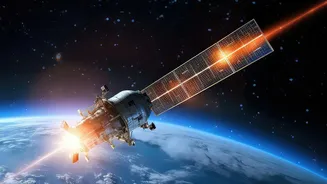
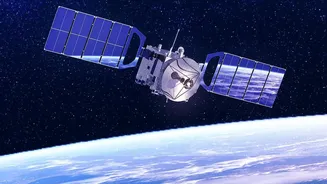
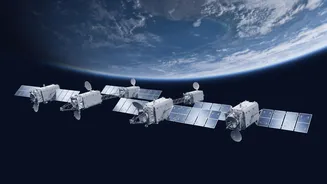
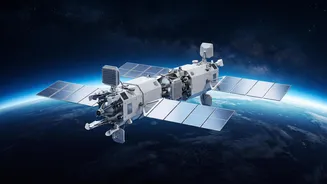
At the heart of SpaceX’s ambition is its 'Direct to Cell' technology. This system allows standard LTE mobile phones to connect directly to Starlink satellites orbiting hundreds of kilometres above Earth. These satellites are equipped with advanced modems
that function like floating cell towers, bypassing the need for ground-based infrastructure. This is a fundamental shift from traditional mobile networks that rely entirely on a sprawling and expensive network of terrestrial towers. For users, this means no special phone or hardware is required; the phone in your pocket could one day connect seamlessly to a satellite when it's out of range of a regular tower. The initial service, which began rolling out in some markets, focuses on texting, with voice and data capabilities planned for the near future.
The All-Important Spectrum Deal
Technology alone isn't enough to become a mobile carrier; a company also needs access to licensed radio frequencies, or spectrum. Recently, SpaceX announced an agreement to acquire a nationwide portfolio of low-band 800 MHz spectrum. This is a crucial piece of the puzzle. While Starlink's satellites already use other frequencies, this low-band spectrum is particularly effective at penetrating walls and buildings, tackling a major weakness of satellite signals. The move signals that SpaceX isn't just content with offering supplemental coverage for dead zones in partnership with carriers like T-Mobile. Instead, it is building a hybrid network, combining its satellites with a terrestrial deployment to offer comprehensive coverage everywhere, from remote wilderness to inside urban buildings.
Shifting Alliances and Market Jitters
SpaceX's declaration that it plans to become a 'major mobile carrier' has sent ripples through the telecom industry, causing stocks of established players like AT&T, Verizon, and T-Mobile to dip. The strategy appears to be evolving from one of pure partnership to a mix of partnership and direct competition. While Starlink’s existing service in the U.S. launched in partnership with T-Mobile, there are signs of tension. T-Mobile has reportedly seen lower-than-expected demand for the satellite service and has downplayed its exclusivity, suggesting it is open to working with other satellite providers. This dynamic, combined with SpaceX's aggressive spectrum acquisition, suggests that Starlink aims to eventually win customers directly from the big carriers by promising to eliminate dead zones entirely.
The Indian Equation: Opportunity Meets Obstacles
For a market like India, with its vast geography and pockets of underserved rural areas, the promise of satellite-to-phone connectivity is immense. However, Starlink's path into India has been fraught with regulatory delays. Despite securing some necessary licenses, the company is still awaiting final security clearances and spectrum allocation. Indian authorities have raised concerns over a foreign-controlled network operating in the country, especially given incidents in other parts of the world where Starlink's service was used in conflict zones. Elon Musk has publicly voiced his frustration, suggesting that the delays are influenced by domestic business interests seeking to protect their market share. While Starlink has built ground infrastructure in India and stands ready to launch, the regulatory standoff remains the biggest hurdle before its global mobile ambitions can reach the subcontinent.
The Long Road Ahead
Despite the bold announcements, becoming a major carrier overnight is a monumental task. Building out a terrestrial network to complement its satellites will be a long and expensive road. Furthermore, the initial spectrum acquisitions, while significant, are still a fraction of what major carriers control. The initial Direct to Cell service is limited to low-bandwidth messaging, and it will take time to scale up to the full voice and data experience users expect. While the FCC in the U.S. has approved the launch of thousands of next-generation satellites to boost capacity, the financial and logistical challenges are steep. Profitability is likely years away, and the company must navigate a complex web of global regulations, country by country.