





The Science of a Balanced Lunch
The afternoon slump is not inevitable. Research increasingly shows that a well-balanced midday meal is crucial for maintaining energy and focus. A study highlighted by Harvard Health Publishing indicates that a diet rich in whole grains, healthy fats,
and minimally processed foods leads to better cognitive health and mental resilience. For a tiffin, this means moving beyond just convenience and thinking about the nutritional composition. The goal is to provide a steady release of energy, not a quick sugar rush that leads to a crash. Studies on Indian dietary patterns reveal a heavy reliance on carbohydrates, often refined ones, with suboptimal protein intake. A balanced tiffin should aim to correct this by thoughtfully incorporating a mix of macronutrients: complex carbohydrates, lean protein, and healthy fats.
Rethinking Your Carbs
Carbohydrates are essential for energy, but quality matters. Traditional Indian diets often feature a high percentage of calories from carbs, sometimes as much as 65-75%. Much of this comes from refined grains like white rice. Research suggests that swapping these for complex carbohydrates can make a significant difference. Whole grains, millets, and brown rice provide sustained energy and fibre, which aids digestion and promotes a feeling of fullness. Instead of plain white rice, consider packing a small portion of millet pulao, quinoa stir-fry, or rotis made from whole wheat or a multi-grain flour. These choices help stabilize blood sugar levels, preventing the energy dips that can hamper afternoon productivity.
Prioritizing Protein Power
Protein is a common casualty in the rush to pack a quick lunch, yet it's vital for growth, repair, and satiety. An ICMR study noted that protein intake in India is often insufficient. Simply increasing the protein in your tiffin can help you feel fuller for longer and maintain muscle health. This doesn't require complicated recipes. Good vegetarian sources that pack well include paneer bhurji, dal (lentils), chana (chickpeas), or rajma (kidney beans). A simple moong dal cheela (savoury pancake), a paneer tikka wrap, or a small container of sprouted moong salad can significantly boost the protein content of your meal. For non-vegetarians, sliced boiled eggs or leftover grilled chicken are excellent additions.
Including Healthy Fats and Vegetables
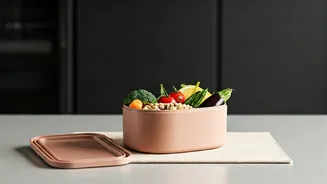
Fats are not the enemy; in fact, the right kinds are essential for brain health and keeping you satiated. A handful of nuts, a sprinkle of seeds on a salad, or using ghee or cold-pressed oils in moderation are great ways to include healthy fats. Perhaps the most common oversight in packed lunches is the lack of fresh vegetables. Studies on packed lunches have shown they are often deficient in vegetables, which provide crucial vitamins and minerals. Making a conscious effort to include them can be as simple as adding cucumber and carrot sticks, a small portion of a dry sabzi like bhindi, or finely chopped vegetables in a paratha or upma. The colours not only make the tiffin more appealing but also ensure a wider range of micronutrients.
Practical Tips for a Better Tiffin
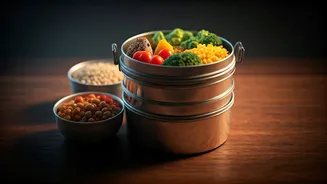
Building a better tiffin is about forming new habits, not overhauling your entire routine. Start with small, manageable changes. Plan your tiffins for a few days at a time to ensure you have the right ingredients. Leftovers can be your best friend; last night's sabzi can become a paratha filling, and leftover rice can be turned into a quick lemon rice. Use partitioned lunchboxes to keep different components separate and prevent meals from becoming soggy. Don't forget hydration; pack a bottle of water, or even buttermilk (chaas), instead of sugary juices. Finally, aim for variety across the week. This not only prevents boredom but also ensures a broader spectrum of nutrients.