




The Great Urban Burnout
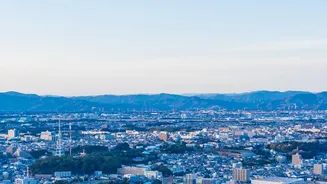
For decades, the path to a successful career led straight to cities like Mumbai, Delhi, and Bengaluru. They were magnets for ambition, offering opportunities that smaller towns could not match. Now, that magnet is losing some of its pull. Many young professionals
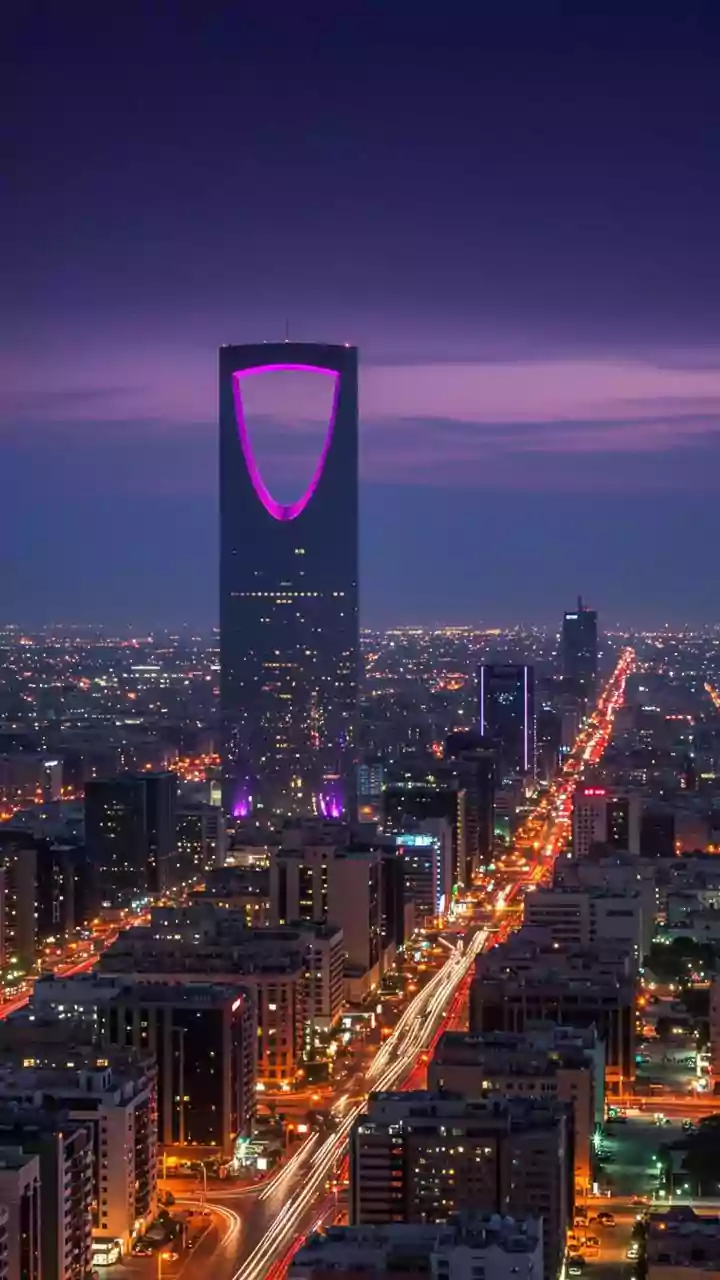
are feeling the strain of what can be called 'urban burnout'. The high cost of living, punishing traffic, noise, and pollution are taking a toll. The promise of a high salary often comes with the reality of a life spent in transit, with little time left for personal well-being. This sentiment was amplified by the pandemic, which forced a mass experiment in remote work. It proved to many that productivity isn't tied to a specific location, breaking the long-held belief that you had to be in a big city to build a big career.
Redefining the Good Life
This migration is more than just a change of address; it's a shift in values. The 'slow living' movement is about being intentional with one's time and priorities. It's not about doing less, but about choosing what matters more: community, connection to nature, and a healthier work-life balance. For many, true luxury is no longer a corner office but clean air, fresh food, and the mental space to think. This philosophy resonates deeply in India, where traditions of mindfulness, seasonal eating, and strong community bonds have existed for centuries. Young Indians are rediscovering this inherited wisdom, choosing to build lives that are calmer, more rooted, and more meaningful, a stark contrast to the 'hustle culture' that defined the previous decade.
From Tourist Traps to Quiet Havens
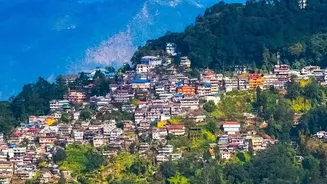
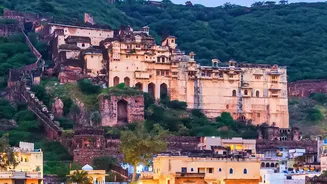
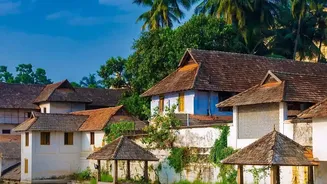
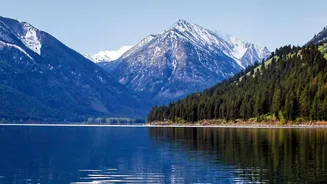
Interestingly, this trend isn't about flocking to already popular and overcrowded tourist hotspots. Instead, people are seeking out lesser-known towns that offer genuine peace. The decentralisation of work is allowing people to explore and settle in places like the Himalayan foothills in Himachal and Uttarakhand, serene coastal villages in Goa and Kerala, and culturally rich towns in Rajasthan and Tamil Nadu. Places like Bir, Fort Kochi, and Almora are becoming hubs for remote workers who want reliable internet without the chaos. The rise of 'digital nomad villages' like Yakten in Sikkim, which offers homestays and high-speed Wi-Fi, is a testament to this growing movement. These locations provide the necessary infrastructure to stay connected professionally while being disconnected from urban stress.
A Reality Check on Paradise
Of course, the transition is not always seamless. Moving to a small town comes with its own set of challenges. While escaping the city's chaos is a major draw, one might face issues like less reliable infrastructure, including patchy internet or electricity in some areas. Social circles shrink, and the range of amenities, from restaurants to specialised healthcare, is often limited. The initial charm of a quieter life can sometimes give way to feelings of isolation, especially for those accustomed to the constant stimulation of a city. Furthermore, the influx of urban migrants can put a strain on local resources and culture, sometimes driving up prices and creating a new set of problems for the original residents. Success in this new life requires a different kind of hustle: the self-discipline to work remotely and the patience to integrate into a new, smaller community.