






The Headline Rate Isn't the Whole Story
Banks and lenders advertise a headline interest rate, but this number rarely reflects the total cost of borrowing. In India, education loan interest rates can range widely, from around 8% to over 15%, depending on the lender, course, and collateral. Public
sector banks often offer lower starting rates compared to private banks and Non-Banking Financial Companies (NBFCs). However, the key is to look beyond this initial number. Ask for the Annual Percentage Rate (APR), which includes the interest rate plus other charges like processing fees, giving you a truer comparison of the loan's annual cost. A loan with a slightly higher interest rate but zero processing fees might be cheaper overall than one with a lower rate and a 1-2% fee.
Fixed vs. Floating: A Crucial Choice
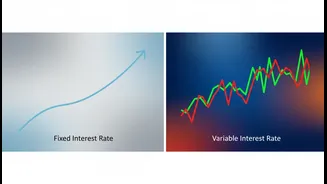
You will likely have to choose between a fixed and a floating (or variable) interest rate. A fixed rate remains unchanged for the entire loan tenure, providing predictable monthly EMIs, which is great for budgeting. A floating rate, on the other hand, is linked to an external benchmark like the RBI's repo rate and can change over time. Floating rates often start lower than fixed rates, but they carry the risk of rising in the future, which would increase your EMI. If you have a long repayment period (10-15 years), a fixed rate offers stability. If you plan to repay the loan quickly, a variable rate might save you money initially, but you must be prepared for potential increases.
Decoding the Jargon: MCLR vs. RLLR
Most floating rate loans in India are linked to benchmarks like the Marginal Cost of Funds-based Lending Rate (MCLR) or the Repo Linked Lending Rate (RLLR). Understanding the difference is vital. MCLR is an internal benchmark set by the bank based on its own cost of funds. Banks revise it periodically, so changes in RBI's policy rates are not always passed on to you immediately. In contrast, RLLR is directly linked to the RBI's repo rate. This makes it more transparent, as any change in the repo rate should lead to a quicker adjustment in your loan's interest rate. When comparing offers, ask which benchmark is used and what the bank's current spread (the extra percentage charged above the benchmark) is.
The Moratorium Period Interest Trap
Nearly all education loans come with a moratorium period—typically the duration of your course plus six to twelve months—during which you don't have to pay EMIs. However, this is not an interest-free period. Interest continues to accumulate on your disbursed loan amount from day one. You usually have a choice: pay this simple interest as it accrues each month or let it get added to your principal loan amount (capitalized) at the end of the moratorium. Opting to pay the interest during your studies can significantly reduce your total loan burden, and some banks even offer a rate concession of up to 1% for doing so. If you let the interest capitalize, you'll end up paying interest on the interest, making your eventual EMIs much higher.
Beware of Hidden Charges
The total cost of your loan can be inflated by a variety of hidden fees. Look for processing fees (can be up to 2% of the loan amount), documentation charges, and loan insurance premiums, which are sometimes mandatory, especially for unsecured loans. Some lenders also have prepayment penalties if you want to clear your debt ahead of schedule, although this is not permitted for floating rate loans as per RBI guidelines. If you're studying abroad, also check for currency conversion charges, which can be substantial when paying tuition fees in a foreign currency. Always ask for a complete schedule of charges before signing.