



The New Touring Map of India
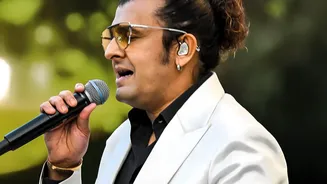
The idea of a major Indian artist performing in cities like Indore, Lucknow, Jaipur, or Guwahati used to be a rare occurrence. Now, it's becoming a core part of their strategy. Indie darlings like Prateek Kuhad and Anuv Jain have been leading this charge,
plotting multi-city tours that consistently include non-metro stops. For his 2026 'Dastakhat' tour, Jain scheduled performances in Indore, Jaipur, and Chandigarh alongside the usual metros. Similarly, Kuhad's tours have featured cities like Ahmedabad and Guwahati, proving that an appetite for live music thrives well beyond the traditional cultural hubs. This isn't just about indie artists. The trend signals a fundamental shift in the live entertainment landscape. Promoters and event organizers are now looking at cities like Kochi, Nagpur, and Visakhapatnam not as experimental afterthoughts, but as essential stops that promise packed venues and passionate crowds. Reports show that some non-metro cities have seen a massive surge in live event attendance, demonstrating a ready and waiting audience.
Data, Demand, and Digital Reach
So, what’s driving this change? A major factor is data. In the age of streaming, an artist no longer has to guess where their fans are. Platforms like Spotify and YouTube provide a clear map of listenership, revealing significant fanbases in cities that were previously overlooked. An artist can see they have thousands of monthly listeners in Lucknow or Pune and plan a gig with confidence, knowing the demand is already there. This digital connection has empowered a new generation of fans. Young audiences in Tier-2 and Tier-3 cities have the same access to global and Indian music as their metro counterparts. They follow their favorite artists on social media, stream their albums, and are eager for the same live experiences. For many in these cities, a major concert is a landmark event, not just another weekend plan. This pent-up demand often leads to incredibly fast ticket sales, with some shows selling out within hours.
A Win-Win for Artists and Cities
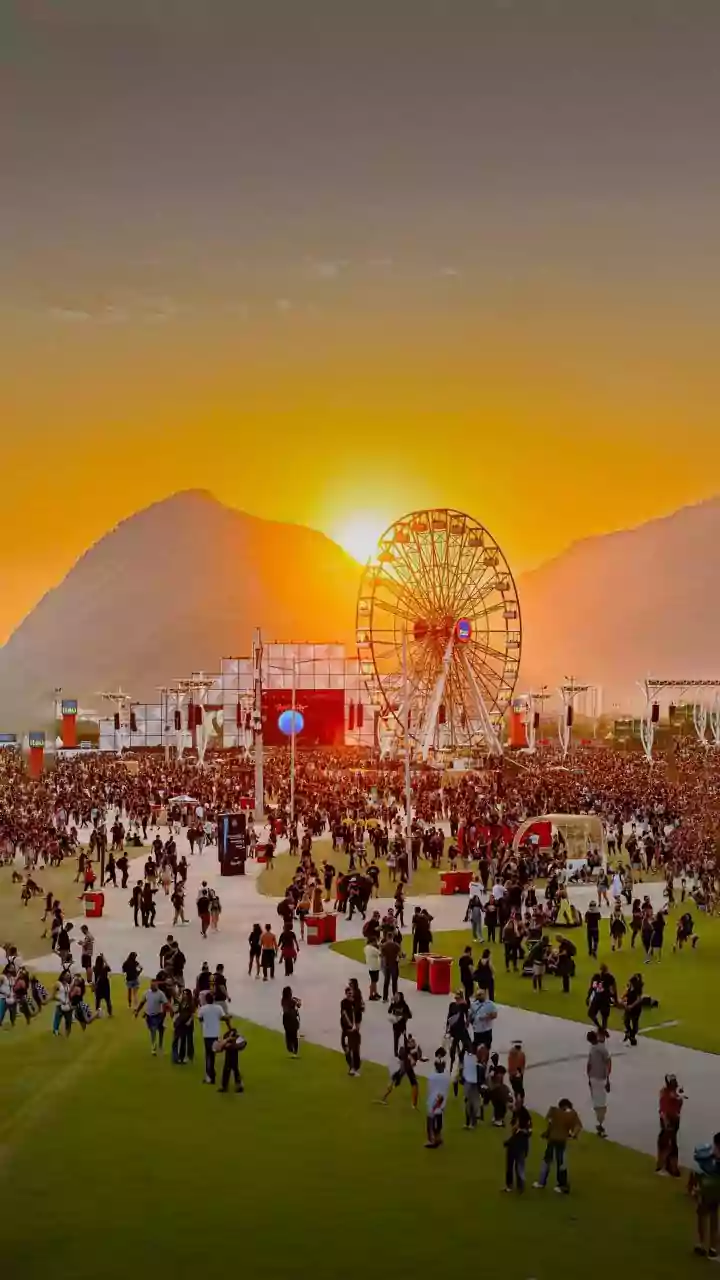
For artists, expanding their tours is a clear strategic advantage. It opens up new and significant revenue streams, from ticket sales to merchandise — which can sometimes outperform metro sales on a per-person basis. More importantly, it helps them build a truly national following, connecting with fans on a more personal level in markets that are not oversaturated with events. The economic ripple effect on the host cities is also immense. A single large concert can become a driver for the local economy, a phenomenon some call 'music tourism'. Reports indicate that such events cause hotel occupancy to spike, restaurants to fill up, and local vendors for sound, lighting, and security to see a significant business boost. It's estimated that a notable percentage of attendees often travel from neighboring towns, turning the concert into a weekend getaway and injecting money into transport and retail sectors.
Overcoming Hurdles for a National Scene
The road is not without its challenges. One of the primary hurdles in smaller cities is the lack of large, purpose-built venues capable of handling massive productions. While an artist can play in an auditorium, a large-scale international act requires stadium-level infrastructure, which is not available everywhere. However, this is also seen as an opportunity. As demand grows, so does the case for private and public investment in better event infrastructure. Government bodies are also taking notice of the booming concert economy, with initiatives aimed at making it easier to organize large-scale events across the country. The success of festivals like Ziro in Arunachal Pradesh or major concerts in Ahmedabad proves that with the right planning and support, non-metro locations can host world-class events successfully.