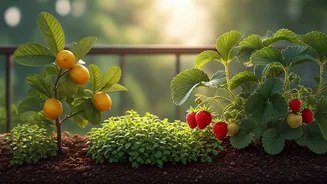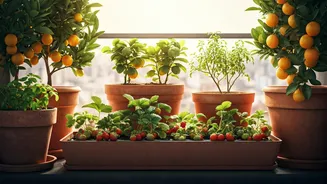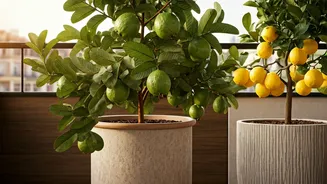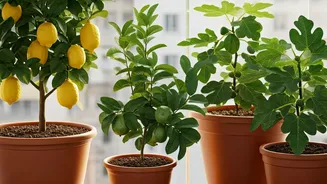


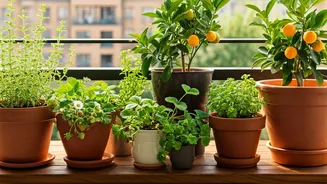
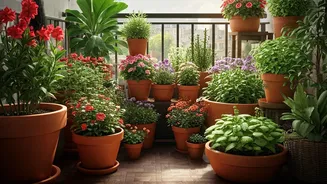


Embrace the Magic of Dwarf Varieties
The secret to small-space fruit gardening lies in choosing the right plants. Forget massive trees that take over a garden; the focus here is on dwarf and semi-dwarf varieties. These are not genetically modified novelties but are typically created by grafting
a desirable fruit-bearing scion onto a rootstock that naturally limits the tree's size. A mango tree that might reach 10 metres in the ground can be kept to a manageable 1.5 to 2 metres in a large container. The pot itself restricts root growth, which in turn controls the overall size of the plant, making it perfect for a home setting. Always opt for a grafted plant from a reputable nursery, as they can begin to fruit in just two to three years, unlike seed-grown plants which can take much longer.
Top Fruits for Your Balcony Orchard
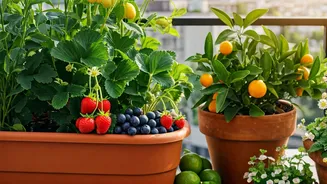
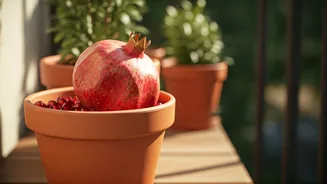
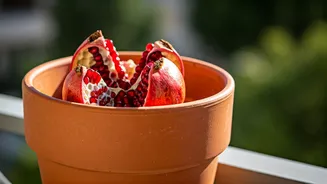
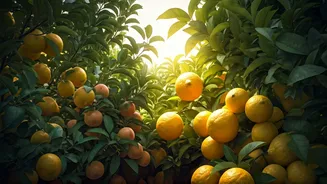
Several fruit trees adapt remarkably well to container life in Indian climates. The 'Amrapali' or 'Mallika' mango varieties are naturally semi-dwarf and are excellent choices for pots. For a year-round supply, the 'Kagzi' lemon is a prolific producer and arguably one of the most successful container fruit trees in the country. Guava varieties like 'Allahabad Safeda' or 'Lalit' are also extraordinarily productive in large pots, rewarding you with multiple harvests. Don't overlook the humble Chikoo (Sapota), with varieties like 'Kalipatti' thriving in containers, or the vibrant Pomegranate, whose compact growth is ideal for pot culture.
Choosing the Right Home for Your Tree
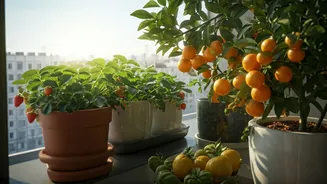
The container you choose is your tree's entire world, so make it a good one. The pot's size is crucial; a medium-sized tree like a guava or chikoo will need at least a 50-litre container, while a dwarf mango will be happiest in a 100-litre pot or drum. Terracotta pots and fabric grow bags are excellent choices as they are breathable, which prevents the roots from getting too hot and promotes healthier growth. Whatever material you choose, ensure there are plenty of drainage holes at the bottom to prevent waterlogging, which can lead to root rot. Placing a layer of pebbles or broken pot pieces at the base before adding soil can help improve drainage further.
The Perfect Foundation: Soil and Nutrients
Don't be tempted to just fill your pot with soil from the garden. Container plants need a specialised potting mix that is both lightweight and nutrient-rich, while also allowing for excellent drainage. A good DIY mix often includes garden soil, coco peat (for moisture retention), compost or well-rotted cow dung manure (for nutrients), and coarse sand or perlite (for drainage). Potted fruit trees are heavy feeders. Throughout the growing season, they will benefit from a monthly feeding of organic fertilisers like vermicompost, neem cake, or bone meal to replenish the nutrients in the limited soil volume.
Essential Care: Sun, Water, and Pruning
Most fruit trees are sun-worshippers and require at least six to eight hours of direct sunlight each day to produce flowers and fruit. A south or west-facing balcony or terrace is often the ideal spot. Watering is a balancing act; you want the soil to be consistently moist but not waterlogged. The best method is to water deeply until it runs out of the drainage holes, and then wait until the top few inches of soil are dry before watering again. Regular pruning is also key to maintaining a manageable size and shape, encouraging more fruiting branches, and ensuring good air circulation through the plant to prevent diseases.