


The Slime You Can't See
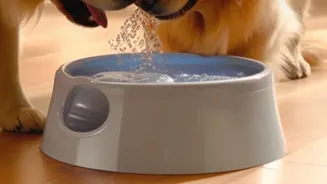
If you've ever felt a slippery, slimy coating inside your pet's water bowl, you've encountered biofilm. This isn't just leftover drool; it's a thriving colony of bacteria, including potentially dangerous ones like Salmonella, E. coli, and Listeria. This bacterial
layer is surprisingly tough and can't be removed with a simple water rinse. Studies have found that pet bowls are one of the most contaminated items in the household, sometimes ranking dirtier than kitchen sponges and toothbrush holders. These germs don't just pose a threat to your pet, causing issues from digestive upset to more serious infections; they can also spread to humans, especially children, the elderly, or those with compromised immune systems.
Your Daily Cleaning Guide
According to the U.S. Food and Drug Administration (FDA), the best practice is to wash pet food and water bowls after every use. This is especially critical for pets that eat wet or raw food. For those who free-feed with dry kibble, washing the bowls daily is still the recommended minimum to prevent bacterial buildup. The most effective method is simple: use hot, soapy water and a dedicated sponge or brush to scrub away any residue. Using a separate cleaning tool for pet items helps prevent cross-contamination in your kitchen. After scrubbing, rinse the bowl thoroughly to remove all soap and let it dry completely before refilling, as moisture encourages germ growth.
The Dishwasher Advantage
For an even deeper clean, the dishwasher is your best friend. The high temperatures of a wash cycle are highly effective at killing bacteria and sanitizing bowls. Many experts recommend running pet bowls through the dishwasher for the best results. If you're concerned about washing them with your own dishes, the CDC confirms it's generally safe to do so, especially if using a high-temperature or sanitizing setting. Having an extra set of bowls on hand can make this daily routine easier, ensuring a clean one is always ready while the other is in the wash.
Choosing the Right Bowl Matters
Not all bowls are created equal when it comes to hygiene. Stainless steel is widely considered the best choice because it's non-porous, durable, and easy to clean without scratching. Ceramic bowls are a good alternative, provided the glaze is intact and lead-free; however, any cracks or chips can become breeding grounds for bacteria and should be discarded. Plastic bowls are often the least recommended option. They scratch easily, and these tiny crevices can harbor germs that are difficult to remove, even with thorough washing.
Don't Neglect the Surrounding Area
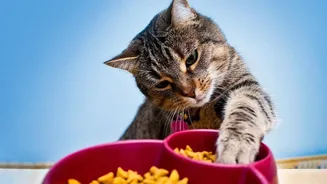
A clean bowl in a dirty area defeats the purpose. Crumbs and water spills around the feeding station can attract pests and promote mold and bacterial growth. Place a non-slip, easy-to-clean mat under the bowls to catch spills. These mats should also be cleaned regularly—many silicone or rubber mats can be washed in the sink or even the dishwasher. Take a moment each day to vacuum or wipe the floor around the feeding station to keep the entire zone hygienic for your pet and your home.