








What is a Continuous Glucose Monitor?
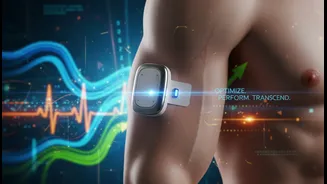
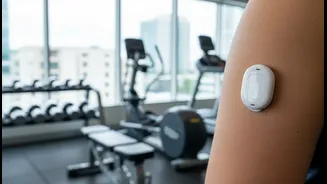
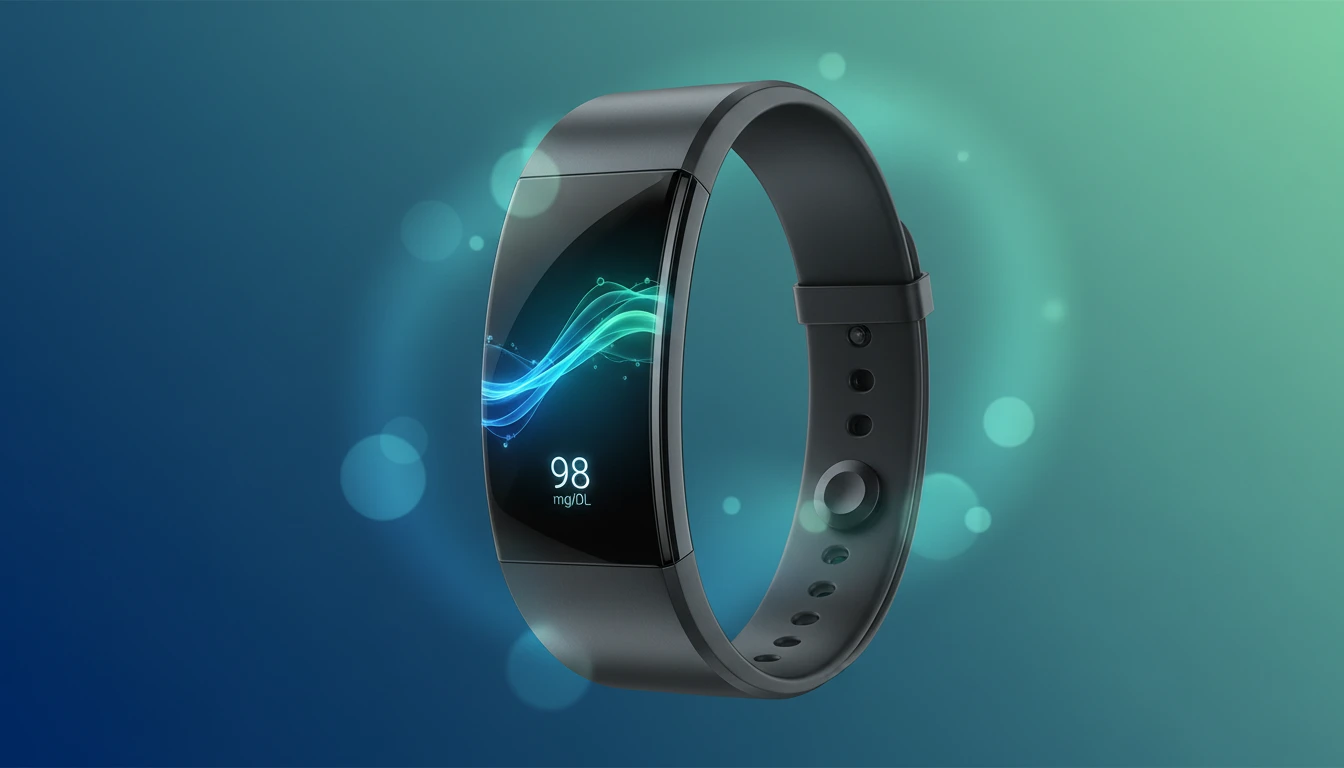
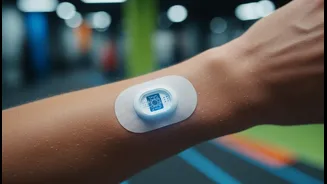
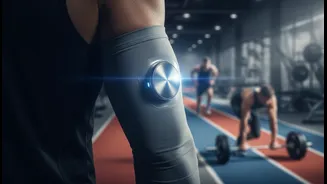
A continuous glucose monitor, or CGM, is a small wearable device that tracks your glucose (sugar) levels in real-time, 24/7. It consists of a tiny sensor inserted just under the skin, which measures the glucose in your interstitial fluid—the fluid surrounding
your cells. This data is then sent wirelessly to a smartphone app or a dedicated receiver, providing a constant stream of information without the need for constant finger-prick tests. This allows users to see not just a single glucose reading, but trends over time, revealing how levels rise, fall, or stay steady.
Why Fitness Enthusiasts Are Plugging In
For non-diabetic athletes, the appeal of a CGM lies in its potential to act as a personal fuel gauge. Glucose is the primary energy source for your muscles during exercise. By tracking glucose levels, athletes aim to optimize their fueling strategies to maintain stable energy and avoid performance-killing crashes. The goal is to understand their unique metabolic response to different foods, workout intensities, stress, and sleep. This real-time feedback helps them personalize their nutrition, ensuring they have enough energy for a tough workout and are refueling effectively for recovery. For endurance athletes, this could mean preventing the dreaded 'bonk' by fueling before their glucose levels dip too low.
From Data to Action: The Performance Strategy
So, how does this data translate into better performance? Athletes use the insights to fine-tune the timing and composition of their meals. For instance, by observing a sharp glucose spike and subsequent crash after a certain breakfast, an individual might switch to a meal with more fibre and protein before their next training session. They can experiment with pre-workout snacks to see which provides sustained energy without a dramatic drop mid-session. The data can also guide post-exercise nutrition to replenish glycogen stores more effectively, speeding up recovery. It’s about creating a personalized playbook, learning what types of carbohydrates work best for their body and when to consume them for optimal energy.
The Science vs. The Hype
While the anecdotal evidence from elite athletes is compelling, the scientific community remains cautious. Research on the benefits of CGM use for non-diabetic athletes is still in its early stages. Major health bodies have not endorsed routine CGM use for healthy individuals, and there are no standardized guidelines for interpreting the data in a non-diabetic context. Some studies suggest CGMs can help motivate healthier behaviours, but there's no widespread scientific consensus that they lead to measurable performance improvements. Furthermore, glucose fluctuations are a normal physiological response to exercise and diet; for example, a temporary spike after an intense workout can be perfectly normal. Without proper context, this data can be misinterpreted.
Potential Downsides and Cost in India
Beyond the limited evidence, there are practical and psychological drawbacks. The constant stream of data can lead to anxiety, an unhealthy obsession with numbers, and unnecessary food restrictions. Device errors or false alarms can also cause undue worry. Then there's the cost. In India, CGM systems like the Freestyle Libre can cost several thousand rupees for a sensor that lasts about 14 days, with readers or recurring app subscriptions adding to the expense. While some Indian brands like GoodFlip and Tracky are entering the market, it remains a significant investment for a device whose performance benefits are not yet proven for the general fitness enthusiast.