



Waterproof, Not Just Water-Resistant, Rainwear
The single biggest mistake is underestimating the rain. A flimsy poncho or a shower-resistant jacket won't survive hours of a ghats downpour. You need a truly waterproof, seam-sealed jacket and a pair of waterproof trousers. This two-piece setup offers
better mobility than a large poncho, which can be a hazard on windy cliffs or narrow trails. Look for breathable fabrics to avoid getting soaked from your own sweat. The goal is to manage water, not just block it, keeping your core dry and warm.
The Right Footwear For Slippery Trails
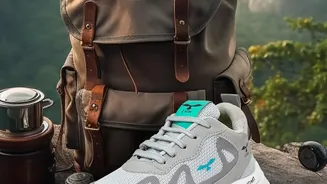
Monsoon trails in the Western Ghats are notoriously slippery, with a mix of mud, slick rocks, and hidden roots. Your everyday sneakers won't do. Invest in a pair of trekking shoes with deep lugs for superior grip. Whether you choose waterproof shoes or quick-drying non-waterproof ones is a debate, but grip is non-negotiable. Waterproof shoes keep feet dry initially but can trap water that gets in over the top. Quick-drying shoes get wet but won't become waterlogged. Also, pack a pair of lightweight floaters or sandals for your hotel or campsite to let your feet breathe after a long day in boots.
Backpack Protection Inside and Out
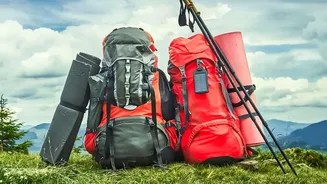
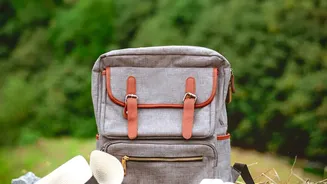
Your backpack is your lifeline, and keeping its contents dry is critical. Start with a sturdy backpack that has a dedicated rain cover. Don't assume the cover alone is enough. For guaranteed protection, line the inside of your pack with a large, heavy-duty plastic bag before packing. Then, compartmentalise your essentials—electronics, a change of clothes, and documents—into smaller dry bags or sealed zip-lock pouches. This double-layer system ensures that even if your main pack gets damp, your critical gear remains perfectly dry.
Quick-Dry Clothing Is Your Best Friend
Leave the cotton and denim at home. These fabrics absorb a massive amount of water, become heavy, and take forever to dry, leaving you cold and uncomfortable. Instead, your wardrobe should consist entirely of synthetic, quick-dry materials like polyester or nylon. Pack two sets of quick-dry t-shirts and trekking pants. Full-length trousers are generally better than shorts, offering protection from thorns, insects, and leeches. A lightweight fleece jacket is also a good idea for chilly evenings, as temperatures can drop, especially at higher altitudes.
A Kit for Health, Safety, and Leeches
The lush greenery of the monsoon also brings out leeches. While not dangerous, they are an annoyance. Carry leech-proof socks or apply a simple repellent like a Dettol-water spray or salt on your shoes and socks. Your first-aid kit should be more than just a few bandages. Include antiseptic wipes, antifungal powder, pain relievers, medication for personal allergies, and blister treatment. Also, pack a powerful insect repellent for mosquitoes and other bugs.
Essential Gadgets and Power Backups
While you're there to disconnect, some electronics are essential. Keep your phone, wallet, and any documents in a transparent waterproof pouch. Power cuts can be common during heavy rains, so a fully charged power bank is non-negotiable. A reliable torch or headlamp with extra batteries is crucial, as trails and campsites can get dark very quickly, especially with heavy cloud cover. Avoid relying on your phone's torch to conserve its battery for communication.