

A Sweet Collision of Worlds
Imagine biting into a rich, velvety cheesecake only to discover a soft, syrup-soaked gulab jamun hidden inside. This is the magic of vegetarian fusion bakes, a culinary trend that remixes nostalgia with novelty. It's where the soul of Indian mithai meets
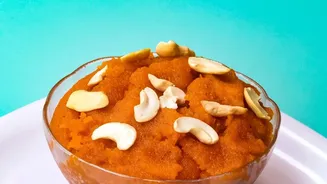
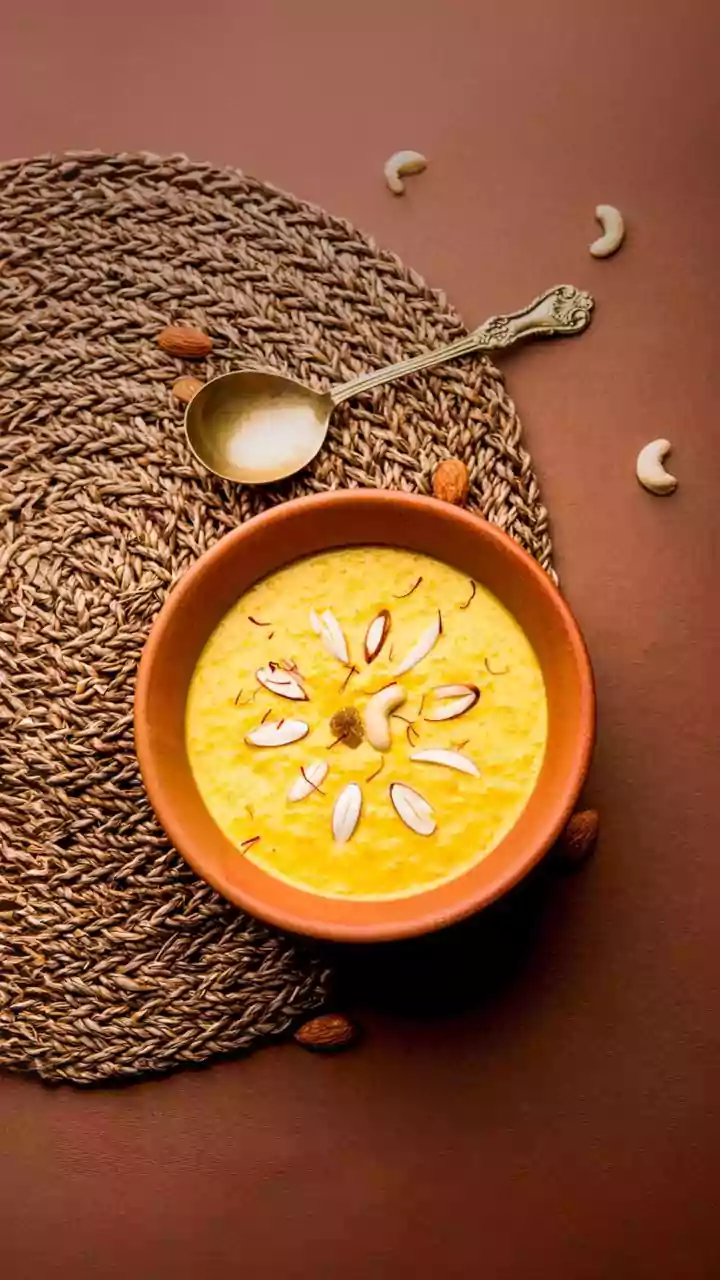
the structure of Western desserts, creating something both familiar and thrillingly new. This movement is not about replacing classics but reimagining them for a modern palate. Think of delights like Rasmalai Tiramisu, where spongy rasmalai is dipped in coffee, or Thandai Mousse, which infuses the festive flavours of Holi into a light, airy dessert. These creations celebrate both cultures, proving that a Gajar Halwa Crumble Tart can be as comforting as the original.
From Home Kitchens to High-End Cafes
The rise of fusion baking isn't just happening in gourmet patisseries; it blossomed in home kitchens, supercharged by social media. The visual appeal of a layered Motichoor Rabri Parfait or a vibrant Paan Panna Cotta makes them perfect for Instagram, inspiring countless home bakers to experiment. This wave of creativity has since been embraced by urban cafes and restaurants eager to offer the next exciting dish. The trend reflects a modern Indian identity: globally aware but deeply connected to its roots. It caters to a generation that enjoys sushi for lunch and rajma chawal for dinner, seeking the same exciting blend in their desserts.
The Classics, Reimagined
The heart of this trend lies in its creative pairings. The Gulab Jamun Cheesecake is a star, with bakers debating crusts made of Parle-G biscuits versus traditional graham crackers. Many recipes are eggless, using cornstarch or ricotta cheese to achieve a light, creamy texture that appeals to a wide vegetarian audience in India. Other popular innovations include Kesar Pista (saffron-pistachio) shortbread cookies, which pack the flavour of kulfi into a crumbly biscuit, and cardamom-spiced cupcakes with a gulab jamun surprise stuffed inside. Even the French croissant has been given a desi twist, filled with rich badam halwa for a truly indulgent treat.
More Than Just a Sugar Rush
The appeal of fusion bakes goes beyond taste; it's an emotional connection. These desserts serve a slice of nostalgia, reminding people of festivals and family gatherings, but in a fresh, contemporary format. For many, it’s the perfect compromise between the comforting sweets their parents love and the global desserts they've grown to enjoy. This movement also allows for healthier adaptations, with some bakers swapping refined sugar for jaggery or using millet flour instead of maida, catering to a more health-conscious consumer. Ultimately, these bakes are a cultural conversation on a plate, blending heritage with innovation.
The Savoury Side of Fusion
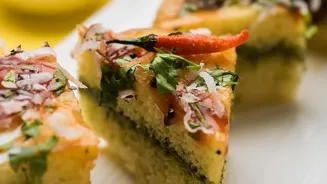
While sweet treats dominate the headlines, the fusion baking trend extends to savoury dishes as well. Imagine a classic Italian calzone stuffed with a spicy mushroom and spinach filling, or the beloved vada pav deconstructed and baked into a healthier multigrain bun. Home bakers and cafes are creating everything from paneer tikka puffs and masala bread rolls to Desi-style baked pasta with layers of spicy onion-tomato masala. These savoury bakes apply the same principle as their sweet counterparts: combining the comforting, bold flavours of Indian street food and home cooking with established baking techniques from around the world.