





The Snack as a Brand Ambassador
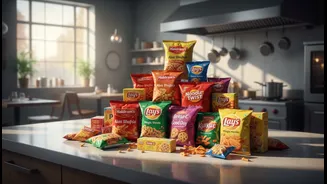
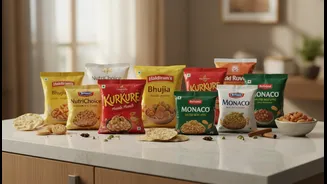
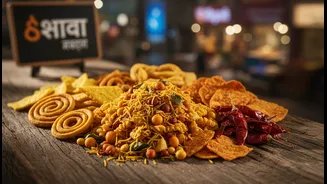
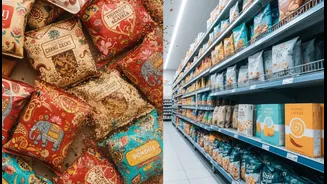
For decades, the global journey of Indian food was led by migration and the subsequent opening of restaurants. Today, a new ambassador has entered the scene: the packaged snack. Brands like Haldiram's, Bikaji, and Parle-G have become global behemoths,
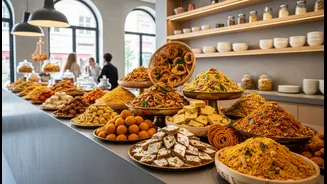
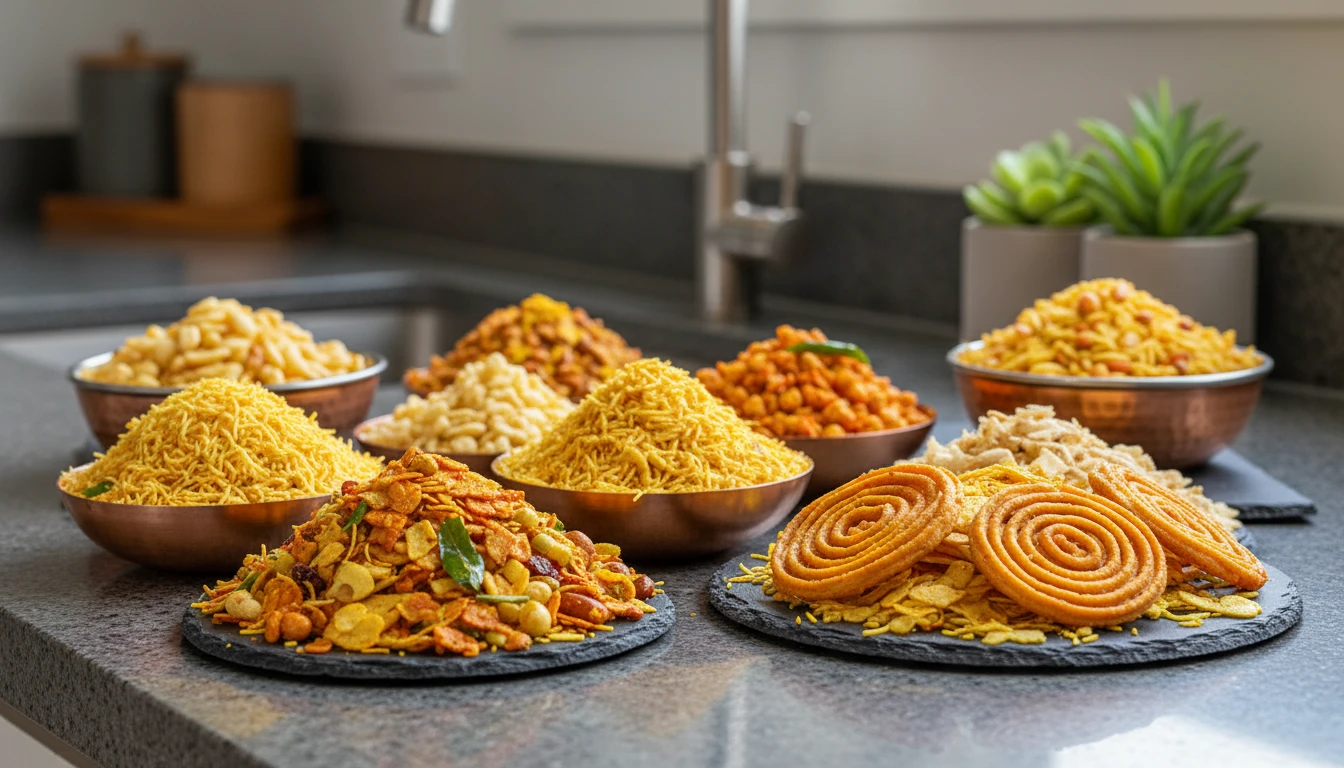
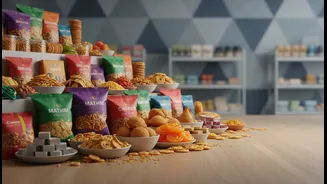
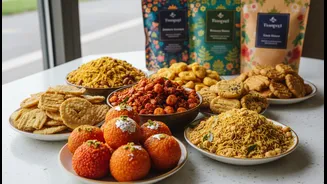
their products found in over 80 countries. This isn't just about catering to the diaspora anymore. Distributors are actively moving these products from niche ethnic aisles to mainstream supermarket shelves in Europe and North America. With India's snack exports doubling from 2019 to 2024, these products are acting as a low-risk entry point for consumers unfamiliar with Indian flavours. A packet of masala-flavoured chips or a box of soan papdi introduces a palate to a complex spice profile in an accessible, affordable format, building a foundational 'flavor vocabulary' for millions.
Building a Bridge from Pantry to Plate
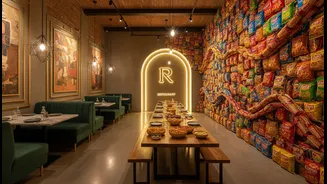
The core of the opportunity lies in converting this packaged-good loyalty into restaurant foot traffic. Brand recognition is a powerful tool in the fiercely competitive restaurant industry. A customer who trusts the quality and taste of a Haldiram's frozen chole or a Bikaji bhujia is more likely to try a full-fledged meal at a restaurant that evokes that same promise of quality. This is a classic loyalty strategy: leveraging an existing positive association to encourage a new, higher-value purchase. Successful loyalty programs can increase visit frequency by 20% and annual spending by over 30%. For Indian food businesses, the snack brands have already done the initial, expensive work of building that trust on a massive scale. The next step is for restaurants to strategically build a bridge from that pantry staple to their dining table.
The Authenticity and Adaptation Tightrope
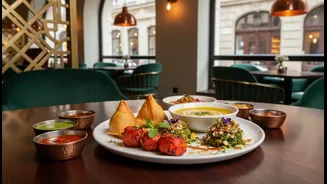
Herein lies the central challenge. While a packaged snack can be standardised, a restaurant dish is a more complex experience. The debate over authenticity versus adaptation is a critical one for any global cuisine. Success often lies in tweaking offerings for local requirements without losing the soul of the dish. This might mean offering adjustable spice levels, as many diners are sensitive to heat, or using locally familiar ingredients where possible. However, diners are also increasingly seeking authentic, culturally rich experiences. The solution is not to dilute, but to educate. A restaurant can leverage the brand association by offering a dish that is a clear elevation of the packaged version—using fresh ingredients, complex cooking techniques like a tandoor, and telling the story behind the dish's regional origins. This reframes authenticity not as rigid replication, but as a commitment to quality and heritage.
A Blueprint for Restaurant Growth
So, how can Indian food businesses capitalise on this trend? Strategic partnerships are a clear path forward. This could involve co-branded menu items, loyalty program tie-ins, or even snack brands investing in casual dining chains. Imagine earning points for a restaurant visit by scanning a QR code on a snack packet. Furthermore, restaurants can use the marketing momentum of these snack brands. If a particular regional snack is trending, a restaurant can build a marketing campaign around its own authentic, elevated version of that region's cuisine. This strategy requires restaurateurs to think beyond the four walls of their establishment and see themselves as part of a larger Indian culinary ecosystem, where a rising tide of brand recognition can, and should, lift all boats.