





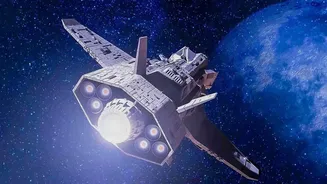
A New Space Economy
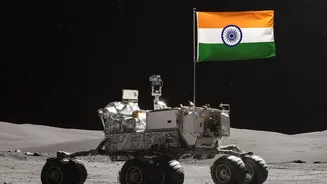
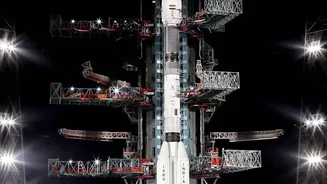
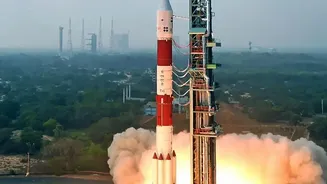
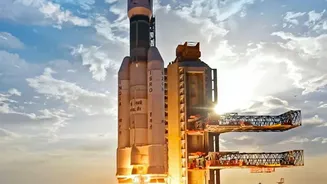
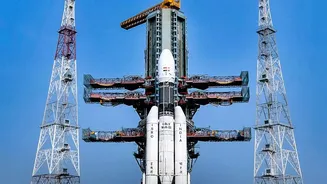
The year is 2026, and India's space industry has fundamentally transformed. What was once dominated by the Indian Space Research Organisation (ISRO) is now a bustling ecosystem of over 400 private startups. Companies like Skyroot Aerospace, Agnikul Cosmos,
and Pixxel are not just launching rockets and building satellites; they are creating a new economic frontier. This shift, accelerated by the establishment of IN-SPACe to promote private participation, means the industry's needs have expanded dramatically. The long-term vision of a $44 billion space economy by 2033 requires a workforce with a much wider range of skills than ever before. It's no longer just about the launchpad; it's about building a sustainable, multi-faceted industry.
Data Scientists and AI Specialists
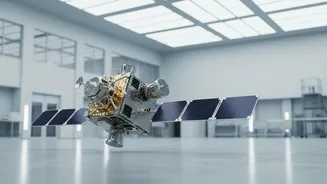
Modern space exploration runs on data. Every satellite, from Earth observation constellations to planetary probes, generates enormous volumes of information. This is where data scientists and AI specialists become crucial. Companies like Pixxel, which operates a fleet of hyperspectral imaging satellites, hire data and machine learning engineers to analyze imagery for applications in agriculture, environmental monitoring, and urban planning. As ISRO and private players launch more sophisticated sensors, the demand for professionals who can turn raw data into actionable insights is skyrocketing. These roles are critical for everything from climate change modeling to national security and resource management.
Space Lawyers and Policy Experts
As space becomes more crowded and commercialized, it's also becoming more regulated. This has created a surprisingly urgent need for space lawyers and policy experts. These professionals tackle complex questions: Who is liable if a satellite collides with another? What are the rules for private companies mining celestial bodies? How do international treaties apply to commercial launch providers? Legal advisors are needed at ISRO, IN-SPACe, and private startups like Agnikul and Skyroot to navigate compliance, contracts, and intellectual property. This emerging field sits at the intersection of technology, international relations, and commerce, shaping the rulebook for the final frontier.
Biologists and Life Scientists
With India's human spaceflight program, Gaganyaan, moving closer to its crewed launch, the role of life sciences has become central. Understanding how the human body reacts and adapts to microgravity is essential for astronaut safety and mission success. This requires expertise from biologists, doctors, and human factors engineers. These specialists work on developing life support systems, designing space food, and conducting bio-astronautics research. Collaborations are already forming, like the one between Redcliffe Labs and Skyroot Aerospace to test diagnostic reagents in orbit, highlighting the growing link between healthcare and space exploration. Future projects like the Bharatiya Antariksh Station will only deepen the need for life scientists to support long-duration human missions.
Designers and Communicators
The story of India's space journey is a powerful one, and it needs skilled storytellers. Science communicators, content creators, and visual designers play a vital role in engaging the public, inspiring the next generation, and articulating a company's vision to investors and customers. As the sector becomes more competitive, clear communication is no longer a luxury; it's a business necessity. Private firms like Dhruva Space are actively hiring for roles like 'Visual Designer - Photography & Filmmaking'. These professionals help translate complex technical achievements into compelling narratives that capture the excitement and importance of space exploration, ensuring that the industry's progress resonates far beyond the scientific community.