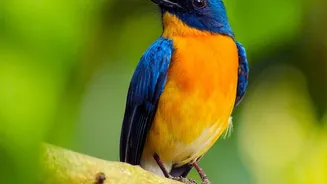









As winter's gentle chill settles over our bustling cities, a quiet drama unfolds in the green spaces we often overlook. The local birds at park and balcony feeders are joined by weary travellers from distant lands, turning every glance a chance for discovery.
The Year-Round Residents
Even on the busiest of days, our cities are alive with the sounds of our feathered neighbours. These are the natives, the birds that have adapted to urban life and share our spaces year-round. You know them well: the confident strut of the Common Myna with its bright yellow eye-patch, the cheerful chatter of the House Sparrow, and the familiar cooing of the Rock Pigeon. Flocks of bright green Rose-ringed Parakeets screech playfully as they dart between trees, while the glossy black Asian Koel's iconic 'kuhoo' call is a classic sign of the season. In gardens and parks, the lively Red-vented Bulbul, with its jaunty crest and splash of red, is a frequent and welcome sight. These birds form the reliable backdrop to our urban soundscape, the locals who hold down the fort all year.
The Seasonal Visitors Arrive
As temperatures drop in their northern homes across Siberia, Central Asia, and Europe, a diverse array of birds embarks on an incredible journey south. India, situated along the Central Asian Flyway, becomes a crucial wintering ground for millions of these avian tourists seeking food and milder weather. While many head to famous wetlands, a surprising number find refuge in and around our cities. You might spot the elegant Bar-headed Goose, known for its astounding flight over the Himalayas, in water bodies near cities like Delhi. Other visitors include various duck species like the Northern Pintail and Eurasian Wigeon, which travel from Europe and Siberia to grace our urban and suburban lakes. Even smaller, more secretive birds like the Bluethroat and the jewel-like Siberian Rubythroat make the long trip, rewarding patient observers in city forests and parks.
Setting the Winter Table
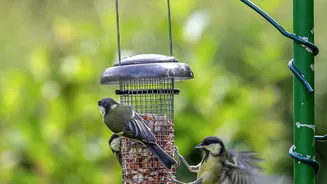
Attracting this wonderful mix of local and visiting birds can be as simple as setting up a feeder. Consistency is key; once birds learn to trust a food source, they will keep coming back. For a simple, all-purpose mix that appeals to the widest variety of species in India, combine small millets like bajra (pearl millet) and broken rice. Sunflower seeds are also a big hit, especially with parakeets. You can place these grains in hanging tube feeders, on platform feeders, or even in a simple tray on the ground for birds like doves. Offering pieces of fruit like papaya, guava, or banana can attract Bulbuls and Barbets. Just as crucial as food is a shallow bowl of clean water for drinking and bathing. Ensure your feeder is in a relatively quiet spot, sheltered from harsh weather, and safe from predators like cats.
A Guide to Mindful Observation
Birdwatching doesn't require expensive equipment or trips to remote sanctuaries. It can be a simple, mindful practice from your balcony or a park bench. The key is patience. It can take days or even weeks for birds to discover a new feeder. Once they arrive, watch their behaviour. Notice how different species interact. Do the sparrows squabble while the mynas investigate everything? Do the migratory ducks dabble gracefully in the water? Pay attention to their calls — the repetitive 'tuk-tuk-tuk' of the Coppersmith Barbet is unmistakable. Early mornings are often the best time for bird activity, as they are most active in their search for food. This simple act of noticing connects you to the natural rhythms of the city and reveals a world of activity hidden in plain sight.