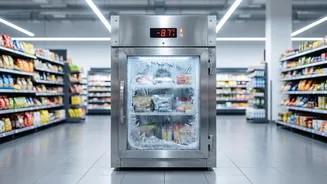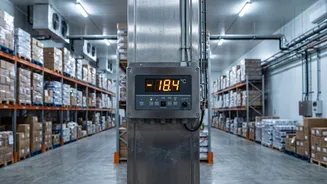




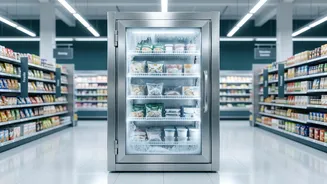


It sounds like a plot from a spy thriller: hackers seizing control of supermarket freezers from afar, turning them into ovens. But this isn't fiction. It’s a real threat that has already hit European businesses, with some thermostats pushed to 50°C.
What Exactly Happened?
In
a series of coordinated strikes in late 2026, supermarket chains across at least seven European countries, including Belgium, Sweden, Ireland, and the Netherlands, reported a bizarre and destructive phenomenon. Employees arrived to find that commercial refrigerators and freezers had been remotely manipulated overnight. Instead of preserving food at sub-zero temperatures, the units were actively heating their contents, with some thermostat readings soaring to a shocking 50 degrees Celsius (122 degrees Fahrenheit). The attacks hit major retailers like Carrefour, Coop, and SuperValu, forcing them to discard millions of euros worth of spoiled meat, dairy, and frozen goods. The incidents echoed a similar, large-scale attack in France just weeks prior, which affected as many as 700 stores and was described as an unprecedented assault on a nation's food supply chain.
How Was This Possible?
The vulnerability lies in a technology meant for convenience: the Internet of Things (IoT). Modern commercial refrigeration systems are often connected to the internet, allowing technicians to monitor temperatures, diagnose faults, and perform maintenance remotely. While efficient, this connectivity creates a potential backdoor for cybercriminals. Investigations into the attacks pointed to vulnerabilities in the refrigeration control units, some of which were supplied by the Danish firm Danfoss. In many cases, these internet-exposed systems were operating with easily guessable default passwords or were not properly secured behind firewalls. Attackers could scan the internet for these vulnerable devices, gain access, and then simply issue commands to trigger a prolonged, high-temperature defrost cycle. This method is brutally effective, turning a tool for preservation into an instrument of destruction.
The Alarming Rise of IoT Attacks
This wave of attacks is part of a broader, more worrying trend. Cybersecurity agencies have long warned that IoT devices are often the weakest link in a network's security. Manufacturers have historically prioritized low cost and ease of use over robust security measures, leaving many devices with hardcoded credentials, unencrypted communications, and no mechanism for receiving security updates. This makes everything from a smart thermostat to an industrial sensor a potential entry point for hackers. Once they compromise a seemingly harmless device like a freezer controller, attackers can often 'pivot' through the network to access more sensitive systems, steal data, or deploy ransomware. The supermarket incidents are a high-profile example of a cyberattack crossing over from the digital realm to cause direct, physical-world damage.
Who is Behind It and Why?
The motivation behind the freezer attacks remains murky, which is unsettling in itself. Typically, such widespread disruption is the work of ransomware gangs, who would cripple a system and then demand payment to restore it. However, in these incidents, no group has publicly claimed responsibility or issued a ransom demand. This has led experts to speculate on other motives. The attacks could be a form of state-sponsored sabotage, designed to demonstrate the capability to disrupt critical infrastructure like the food supply chain. Another possibility is that it's the work of 'hacktivists' or even a lone actor causing chaos for personal reasons. The EU's food and agriculture commissioner called it a 'deliberate attempt to disrupt our food supply chain and undermine consumers' confidence in it', highlighting the serious geopolitical undertones of such an attack.
A Wake - Up Call for All Businesses
While supermarkets were the target this time, the lesson is universal. Any organization that uses internet - connected devices — from manufacturing and logistics to healthcare and smart offices — is potentially at risk. The incidents serve as a stark reminder of the importance of basic cybersecurity hygiene. This includes changing default passwords on all equipment, ensuring all devices are protected by firewalls, and regularly updating software and firmware to patch known vulnerabilities. For years, security for IoT devices was an afterthought. The sight of tonnes of spoiled food being thrown away proves that this approach is no longer sustainable. The convenience of a connected world must be balanced with a robust and vigilant approach to security.