





Each December, the hills of Nagaland burst into a vibrant riot of colour, music, and tradition. The Hornbill Festival is calling. Here’s your guide to planning an unforgettable cultural journey to the 'Festival of Festivals' in 2026.
What is the Hornbill Festival?
Often called the 'Festival
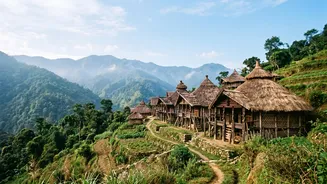
of Festivals', the Hornbill Festival is a grand, ten-day celebration of Nagaland's rich cultural heritage. First held in 2000, this annual event is organised by the state government to promote inter-tribal harmony and showcase the unique traditions of the 17 major Naga tribes in one place. Named after the revered hornbill bird, a symbol of pride and strength in Naga folklore, the festival is a dazzling display of the Naga way of life. It takes place from December 1st to 10th each year at the Naga Heritage Village in Kisama, about 12 kilometres from the state capital, Kohima. This timing also coincides with Nagaland Statehood Day on December 1st.
A Spectacle of Sound, Colour, and Tradition
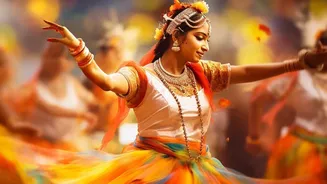
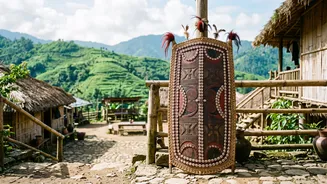
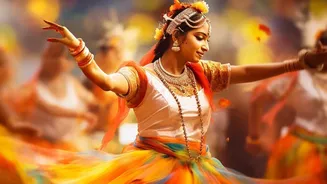
The heart of the festival lies in its cultural performances. Throughout each day, the open-air amphitheatre at Kisama comes alive with energetic folk dances, traditional music, and dramatic enactments of warrior tales performed by tribal troupes in their finest ceremonial attire. Visitors can explore the 'Morungs' (traditional youth dormitories), with each tribe showcasing their unique customs, crafts, and way of life in their dedicated hut. Beyond the main stage, the festival grounds are a sensory feast, featuring indigenous games like Naga wrestling, archery, and thrilling contests like the Naga King Chilli and pineapple eating competitions.
Beyond the Main Stage: Food, Music, and Crafts
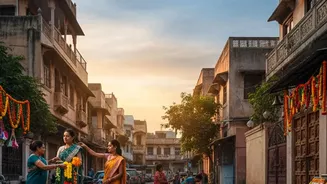
The Hornbill experience extends far beyond the daytime cultural shows. Food lovers can dive into a world of Naga cuisine at the numerous food stalls, sampling authentic dishes from different tribes. As evening falls, the festivities continue with the Hornbill Music Festival, which features performances from local and international bands. While the large-scale international rock contest has been discontinued, live music remains a core part of the evening attractions. The Night Bazaar in Kohima also comes alive during the festival, with streets lined with stalls selling everything from local crafts and fashion to delicious street food. It's the perfect place to shop for souvenirs like traditional shawls, wood carvings, and beadwork.
How to Plan Your 2026 Trip
Planning is crucial for a smooth Hornbill experience. For Indian tourists (excluding native Nagas), an Inner Line Permit (ILP) is mandatory to enter the state. This can be easily applied for online through the official Nagaland government portal. The nearest airport and major railway station are in Dimapur, approximately 70-80 km from Kohima. From Dimapur, it's a 2–3 hour journey to Kohima by taxi, though traffic can be heavy during the festival. Accommodation gets booked up months in advance, so it's essential to reserve early. Options range from hotels in Kohima to homestays and campsites in nearby villages like Kigwema, which offer a more local experience and can help you avoid the daily traffic to Kisama.
Essential Tips for a Great Visit
To make the most of your trip, aim to spend at least two to three full days at the festival to soak in the diverse activities. Arrive at the Kisama venue early to beat the traffic, which can be intense. Wear comfortable shoes and dress in layers, as December mornings and evenings in the hills can be quite chilly. While digital payments are becoming more common, carrying enough cash is advisable, especially for smaller stalls and food vendors. Finally, always be respectful of the local culture. Ask for permission before taking closeup photographs of performers and engage with the community with an open and curious mind.