


Your Pocket Planetarium
The secret to becoming an amateur astronomer overnight is a good stargazing app. These apps use your phone's GPS and compass to create a real-time map of the sky. You simply point your phone upwards, and the app identifies the stars, constellations, and planets
in your view. For beginners, the best apps are those that are intuitive and easy to use. Star Walk 2 is a popular choice for its beautiful visuals and user-friendly interface. Another excellent free option is SkyView Lite, which excels at providing detailed information about celestial objects. Stellarium Mobile is also highly recommended by astronomers for its accuracy and comprehensive, realistic sky map, with a free version that is more than powerful enough to get you started. Many of these apps also feature an augmented reality (AR) mode, which overlays the star map onto your camera's view, making identification seamless.
Finding the Giants: Jupiter and Saturn
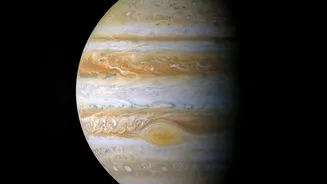
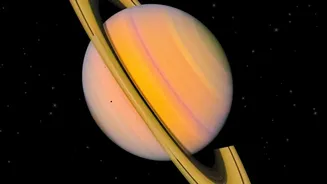
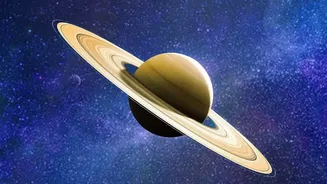
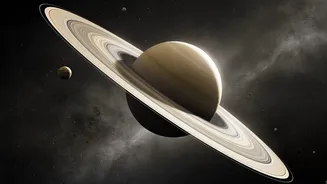
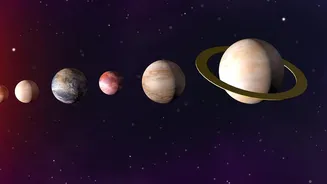
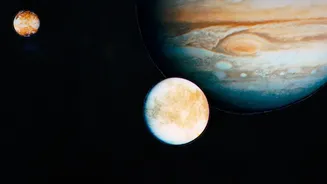
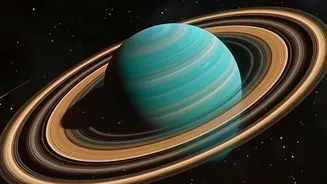
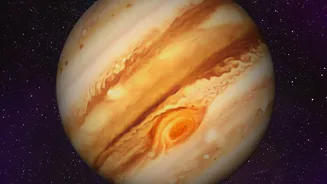
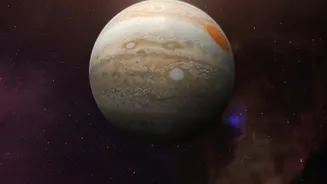
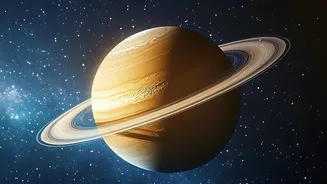
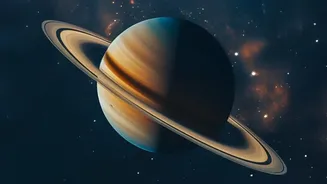
Jupiter and Saturn are two of the most rewarding planets to spot for a beginner. In late August 2026, your best bet is Saturn. The ringed planet is approaching its 'opposition' in early October, meaning it is rising in the evening and will be visible for much of the night, shining brightly. Your sky app will show you exactly where to look. Even without a telescope, it will appear as a steady, bright point of light. Jupiter, on the other hand, is currently a challenge. In late August 2026, it rises very shortly before the sun, meaning it is lost in the bright morning twilight. While technically visible, the view will be poor. It will become a much better evening target from November onwards, heading towards its own opposition in February 2027. Sky apps can send you notifications for when planets are most visible, so you can plan for better viewing opportunities later in the year.
Catching a Speedy Star: The ISS
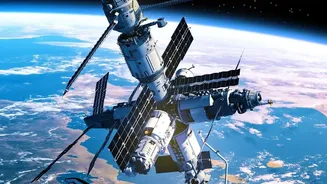
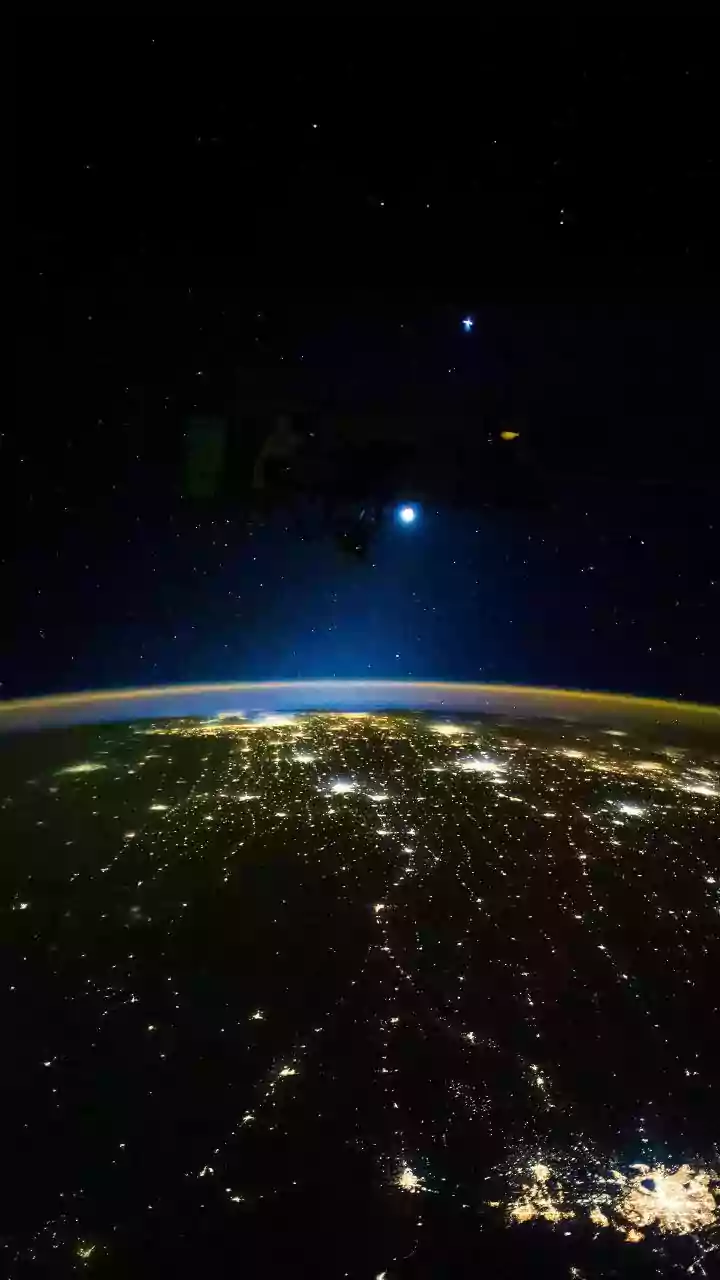
One of the most thrilling sights to catch is the International Space Station (ISS). It looks like a very bright, fast-moving star gliding silently across the sky, with no flashing lights like an airplane. The ISS is only visible for a few minutes at a time, and only during the hour or two before sunrise or after sunset. This is the window when the sky on the ground is dark, but the station, orbiting 420 kilometres up, is still illuminated by the sun. Because its path is so specific, using an app is essential. Apps like the official NASA Spot the Station app, ISS Detector, or the satellite tracking features within general stargazing apps like Star Walk 2 can predict passes for your exact location in India. They will tell you the exact time, duration, and the path it will take across your sky, often from west to east. You can even set alerts so you don't miss a flyover.
Tips for Your First Night Out
To make the most of your skywatching session, a little preparation goes a long way. First, try to get away from the bright lights of the city. The darker your surroundings, the more stars you will see. Second, give your eyes time to adjust to the darkness—it can take up to 20 minutes. Most stargazing apps have a 'red light mode' which preserves your night vision. Third, check the weather forecast. Monsoon clouds can be a common obstacle in many parts of India during August, so aim for a clear night. Finally, be patient. The universe has been there for billions of years; it can wait a few minutes for you to find your bearings. Use your app as a guide, but don't forget to simply look up and enjoy the view with your own eyes.