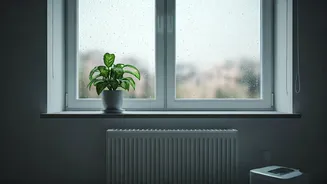






The Challenge of High Humidity
The single biggest factor complicating monsoon pet care is the relentless humidity. This damp environment is a perfect breeding ground for fungi and bacteria, which can affect your cat’s health. Constant moisture in the air means wet fur doesn't dry quickly,
sleeping spots can become damp, and even indoor air carries a higher risk of allergens and pathogens. This environmental shift is why common issues like skin infections, respiratory problems, and even digestive upsets become more prevalent during the rainy season. Understanding that moisture is the primary enemy helps simplify your approach: the goal is to keep your cat and their environment as dry and clean as possible.
A Renewed Focus on Fur and Paws
While cats are famously clean, the monsoon demands a bit of help from their humans. If your cat gets wet, even just on a balcony, it's crucial to dry them thoroughly with a towel to prevent moisture from getting trapped in their fur. This is especially important for long-haired breeds. Regular brushing becomes more critical now, as it helps remove loose fur, improves air circulation to the skin, and allows you to check for early signs of trouble like redness, rashes, or parasites. Pay special attention to their paws. Wiping them with a clean, dry cloth after they've been in a damp area can prevent fungal infections that thrive between their toes.
Litter Box Vigilance is Non-Negotiable
A clean litter box is always important, but during the monsoon, it's vital. High humidity does two things: it makes odours more pronounced and it can make litter damp, which many cats detest. A smelly, damp box is a primary reason for cats suddenly avoiding it. To combat this, you may need to scoop more frequently—ideally twice a day. Ensure the litter box is in a well-ventilated area, not a damp, enclosed space like a bathroom, which can turn it into a petri dish for bacteria. Consider switching to a litter with better odour control or moisture absorption, and ensure the box itself is washed and completely dried more often.
Keeping Parasites at Bay
Fleas, ticks, and other parasites flourish in warm, humid weather. The rainy season provides them with the perfect conditions to multiply. Even if your cat is an indoor-only pet, these pests can be tracked inside by humans or other pets. It is essential to continue with your vet-prescribed flea and tick prevention schedule without interruption. The increased risk of bites can lead not just to itching and discomfort, but also to more serious issues like tick fever and skin infections. Diligent prevention is far easier than treating an infestation and the health problems that can follow.
Diet, Hydration, and Immunity
A strong immune system is your cat's best defense. Providing a balanced diet is crucial, as good nutrition supports overall health from the inside out. During the monsoon, be extra careful with food storage. High humidity can cause dry kibble to become stale or even grow mould, so store it in an airtight container. Wet food can spoil much faster in this weather, so remove any uneaten portions promptly. Always provide access to fresh, clean drinking water. Contaminated water is a major source of gastrointestinal problems, so change their water bowl at least once a day and ensure it is clean.