




Which Cars Are Getting More Expensive?
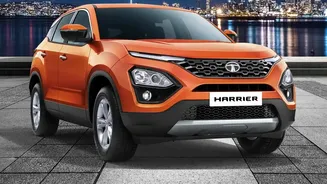
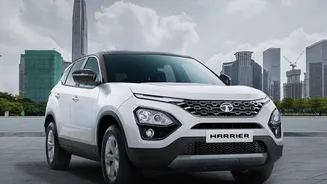
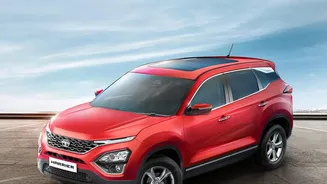
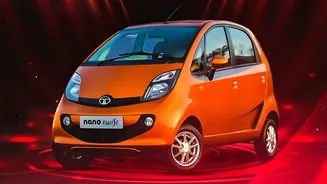
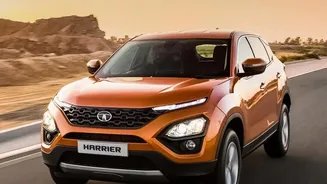
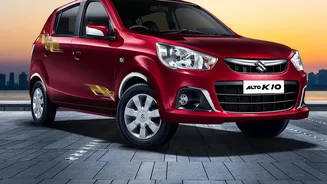
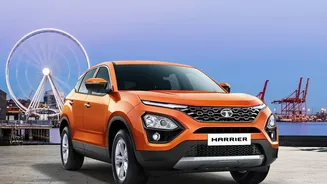
Heading into the festive season, several major auto manufacturers have confirmed they will be increasing prices from September 1, 2026. Tata Motors announced a price hike of up to ₹25,000 across its entire portfolio of passenger vehicles, which includes
both petrol/diesel (ICE) models and its popular range of electric vehicles (EVs). Similarly, Hyundai Motor India stated it will increase prices by up to 1% across all its models. These companies join others like Maruti Suzuki, which already raised prices by up to ₹30,000 in August. This trend isn't limited to mass-market brands; luxury carmakers like BMW and premium EV brands have also adjusted prices upwards in recent months, pointing to a wider industry trend.
Why Are Prices on the Rise?
Automakers consistently point to a common set of challenges forcing their hand. The primary reason cited is the rising cost of raw materials and other inputs needed for manufacturing. Persistent inflationary pressures on the economy also play a significant role, increasing the overall cost of operations for these companies. Additionally, some manufacturers with significant import dependencies mention that foreign exchange volatility and escalating logistics costs contribute to the need for price adjustments. Carmakers have stated that while they try to absorb a portion of these increased costs, they are compelled to pass on some of the financial burden to customers to protect their margins.
Calculating the Impact on Your Budget
While the announced percentages and figures might seem small, they can translate into a tangible increase. A 1% increase on a car priced at ₹10 lakh, for instance, means an additional ₹10,000. For a more expensive SUV at ₹20 lakh, that same 1% hike adds ₹20,000 to the final price. Tata Motors’ hike is capped at ₹25,000, but it's important to note that these increases are not uniform. Companies apply varied hikes depending on the specific model and variant, often based on its popularity and existing cost structure. This means a high-demand SUV variant might see a larger price jump than an entry-level hatchback. This strategy allows companies to manage costs without making their entire range less competitive.
Should You Buy Before the Hike?
This is the crucial question for any prospective buyer. Buying before September 1 could save you a few thousand rupees, which could be redirected towards accessories, insurance, or a better variant. If you have already decided on a specific car and have your finances in order, purchasing it before the price revision makes financial sense. However, rushing a decision can be a mistake. The end of the month is often a good time to negotiate, as dealerships are keen to meet sales targets. The upcoming festive season will also bring its own set of discounts, special editions, and offers which could potentially offset the price hike. Weigh the immediate savings from beating the price hike against the possibility of better festive deals a few weeks later.
Strategies to Manage the Higher Cost
If you decide to buy after the price increase, you still have options to manage the impact on your budget. First, don't hesitate to negotiate with multiple dealers. Use online price quotes as leverage to get the best possible deal. Second, be flexible. Consider a different variant of your preferred model that might not have been affected as much by the price change. Third, explore financing options thoroughly to find the most favourable loan terms. Finally, consider the value of certified pre-owned vehicles. A well-maintained, nearly-new used car can offer excellent value, bypassing the steepest depreciation curve and recent price hikes altogether. These models often come from reliable brands known for low maintenance costs, providing long-term dependability.