





The Case for Simplicity
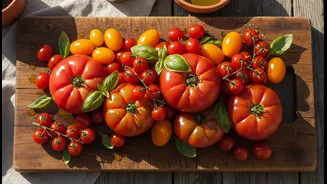
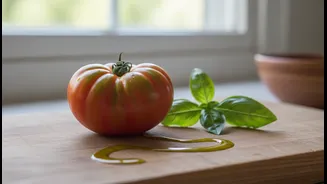
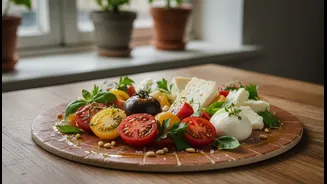
We wait all year for them: tomatoes that are heavy for their size, deeply fragrant, and bursting with a perfect balance of sweetness and acidity. These are not the pale, watery versions found in the off-season. These are fruits at their absolute peak,
and they command respect. Too often, a glut of beautiful seasonal produce sends us scrambling for complex preservation recipes, from canning dense sauces to making intricate tarts. While those have their place, they can sometimes mask the very flavour we’re trying to celebrate. The most profound way to enjoy a perfect tomato is to do as little as possible to it. The goal isn't to transform the tomato, but to frame it, letting its natural character take centre stage. This requires confidence, restraint, and a handful of other high-quality ingredients that know how to play a supporting role.
The Perfect Recipe: Classic Bruschetta
Enter bruschetta. The name comes from the Italian verb 'bruscare,' meaning 'to roast over coals.' Its origins are humble, born from the peasant tradition of tasting newly pressed olive oil on a slice of toasted bread. The most basic version is simply grilled bread, rubbed with a raw garlic clove, and drizzled with excellent extra-virgin olive oil. The now-famous tomato topping is a more recent, though brilliant, addition that has become a global ambassador for Italian simplicity. It is the ideal vehicle for a seasonal tomato because every component is chosen to elevate the main ingredient. The crunchy, smoky bread is a textural contrast; the sharp garlic adds a pungent kick; the grassy olive oil and fresh basil provide an aromatic backdrop. Nothing is superfluous.
Gathering Your Ingredients
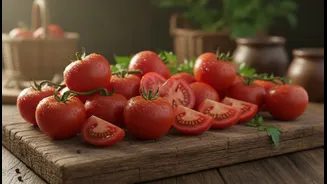
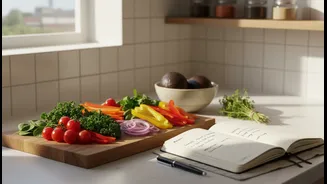
For a truly classic bruschetta, quality is non-negotiable. You only need a few things: Tomatoes: The star of the show. Use the best you can find. Ripe Roma or other plum tomatoes are a good choice as they are meatier and less watery. A mix of colourful cherry tomatoes also works beautifully. Bread: A sturdy, rustic loaf like a ciabatta or a good sourdough is ideal. It needs a firm crust and chewy interior that can stand up to the juicy topping without becoming soggy. Garlic: Fresh, pungent cloves are a must. One of the secrets to great bruschetta is rubbing the toasted bread with a cut clove of raw garlic, infusing it with flavour. Olive Oil: Use a high-quality extra-virgin olive oil. Since it’s used as a finishing flavour, its peppery, fruity notes will be prominent. Basil: Fresh basil leaves are essential; dried basil won’t provide the same fresh, aromatic lift. Salt and Pepper: Good sea salt and freshly cracked black pepper are all you need for seasoning.
Step-by-Step Perfection
First, prepare the topping. Finely dice your tomatoes and place them in a bowl. Some chefs recommend gently removing the watery seeds to prevent a soggy result, but if your tomatoes are firm, this may not be necessary. Chiffonade (thinly slice) the fresh basil and add it to the tomatoes. Add a generous drizzle of your best olive oil, a pinch of salt, and a crack of black pepper. Some recipes call for a splash of balsamic vinegar or finely minced garlic in the mix, but for a purist version, let the tomatoes speak for themselves. Gently stir everything and set it aside to marinate for at least 15-30 minutes, allowing the flavours to meld. Next, prepare the bread. Slice your loaf into 1-2 cm thick slices. Brush both sides lightly with olive oil and toast them until golden brown and crisp. This can be done on a grill, in a hot pan, or under the broiler. The key is a crunchy exterior. As soon as the bread comes off the heat, take a peeled garlic clove, cut it in half, and rub the cut side firmly across the surface of each warm toast. This imparts a potent, spicy garlic essence that is the hallmark of authentic bruschetta.
Serving and Final Tips
To avoid the dreaded soggy bread, assemble the bruschetta just before serving. Arrange the garlic-rubbed toasts on a platter. Give the tomato mixture one last gentle stir, tasting for seasoning. Spoon a generous amount of the tomato topping onto each slice of bread. If there are flavourful juices at the bottom of the bowl, don’t be afraid to drizzle a little over the top. Serve immediately. For a slight variation, you can add a drizzle of balsamic glaze at the end or some shavings of Parmesan cheese. However, the beauty of this recipe lies in its restraint. It’s a celebration of summer, a tribute to the simple, profound pleasure of a perfect tomato. It’s a reminder that sometimes, the most memorable meals are the least complicated.