







Why Rain Disrupts More Than Just Roads
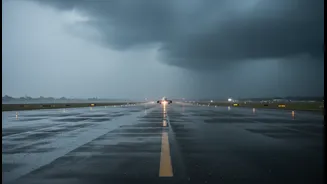
While we often worry about traffic jams, heavy rain impacts airports in multiple ways, creating a domino effect of delays. The primary issue is reduced visibility, which makes takeoffs and landings more challenging for pilots. Air traffic controllers
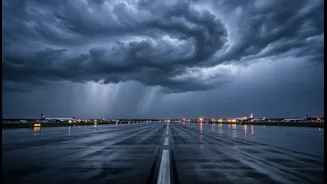
must increase the spacing between aircraft for safety, which slows down the rate of arrivals and departures, leading to congestion in the air and on the ground. Furthermore, persistent rain can lead to slippery or waterlogged runways, a condition known as hydroplaning, which affects an aircraft's ability to brake effectively. Sometimes, operations must be paused entirely to allow water to drain. Recent events at major hubs like Mumbai and Delhi show how quickly conditions can deteriorate, with hundreds of flights delayed and dozens cancelled in a single day due to monsoon rains.
The Ripple Effect of a Single Delay
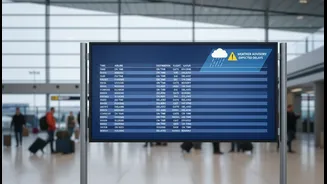
Aviation is an interconnected network. A delay at one airport has knock-on effects across the country. For example, an aircraft delayed from taking off in Mumbai due to rain will be late for its next scheduled flight from Delhi or Bengaluru. Ground operations are also affected. For safety reasons, activities like baggage handling and refuelling may be halted during thunderstorms and lightning, adding to the delays. This is why airlines across India, including IndiGo and Akasa Air, issue travel advisories during heavy rainfall, urging passengers to check their flight status before even starting for the airport. A flight that appears 'On Time' in the morning could be delayed by the afternoon as disruptions cascade through the system.
Your Guide to Staying Informed
Being proactive is your best defence. Don't wait until you're in a cab to the airport to check your flight. The best practice is to start monitoring at least 24 hours in advance. First, use your airline's official app or website. These are the most direct sources for information and will often be the first to reflect a change. Sign up for SMS or email alerts if offered. For a broader view, use third-party flight tracking apps and websites like Flightradar24, FlightAware, or ixigo. These platforms provide real-time tracking on a map and can sometimes offer more detail on the inbound aircraft—a key indicator, since a delay in the plane's previous journey will affect yours. Airport websites, like those for Delhi or Adani-operated airports, also have dedicated flight status sections.
Plan Your Journey to the Airport
Even if your flight is on time, your journey to the airport can be a major hurdle. Waterlogging and traffic snarls are common during downpours, turning a 30-minute drive into a 90-minute ordeal. The golden rule is to leave significantly earlier than you normally would. Check live traffic updates on mapping services before you leave and consider booking your cab or ride-share in advance, as demand skyrockets during bad weather. Remember, it's always better to be early and relaxed at your gate than to be stuck in traffic watching the minutes tick down to your departure time.
Know Your Rights If Disrupted
Despite your best planning, cancellations and long delays can happen. It's helpful to know your rights as a passenger under regulations set by the Directorate General of Civil Aviation (DGCA). If a flight is significantly delayed, airlines are typically required to provide you with meals and refreshments. For overnight delays, this extends to hotel accommodation. If your flight is cancelled, you are generally entitled to a choice between a full refund or an alternative flight. However, it's important to note that these rules can be different if the disruption is due to factors outside the airline's control, such as severe weather. In such cases, while cash compensation may not be offered, airlines are still expected to assist with rebooking. Always check your specific airline's policy.