


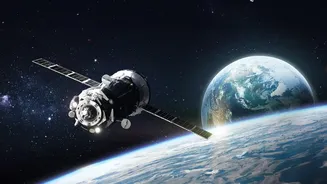


Gaganyaan: India's Human Spaceflight Leap
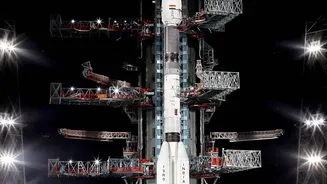
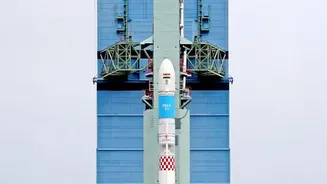
The centerpiece of ISRO's next chapter is undoubtedly the Gaganyaan programme, India's quest to send its own astronauts into orbit. This monumental undertaking aims to launch a crew of three into a 400-kilometre orbit for a multi-day mission. Before the first
crewed flight, currently anticipated around 2027, ISRO has planned a series of critical uncrewed test flights. The first of these, Gaganyaan-1 (G1), is expected in late 2026 and will test the spacecraft's systems. A subsequent mission, G2, will carry Vyommitra, a humanoid robot, to simulate astronaut functions and monitor the crew module's performance. Gaganyaan is more than a single mission; it’s about establishing end-to-end capability in human spaceflight, a feat achieved by only three other nations. The success of this program is paramount, with astronaut safety being the absolute priority driving the timeline.
To Other Worlds: Mars and Venus
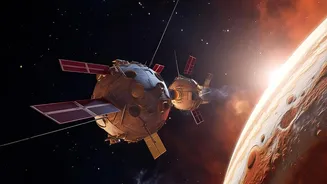
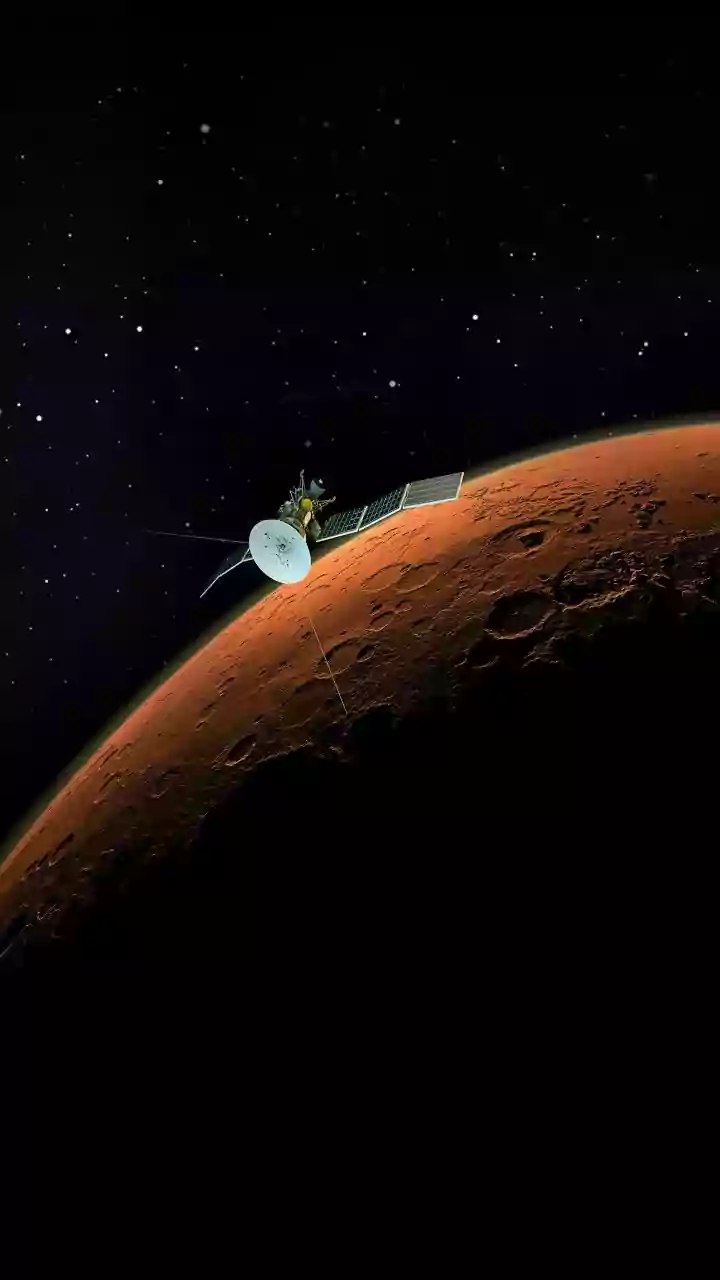
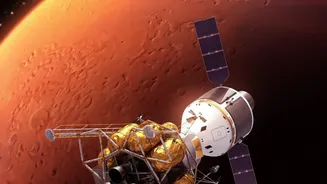
Building on the stunning success of the first Mars Orbiter Mission (Mangalyaan), ISRO is planning a far more ambitious sequel. Mangalyaan-2 will not just orbit the Red Planet but attempt to land on it. This mission is expected to include a lander, a rover, and even a helicopter to study the Martian surface and atmosphere. If successful, India would join an exclusive club of nations that have operated rovers on Mars. Tentatively scheduled for after 2026, this mission represents a major technological leap from orbital science to complex planetary landings. Not content with just Mars, ISRO is also targeting Earth's other neighbour with Shukrayaan-1, its first mission to Venus. Planned for a possible 2028 launch, the orbiter will study the dense, toxic atmosphere and mysterious volcanic surface of Venus, helping scientists understand why Earth's 'twin' evolved so differently.
Science and Collaboration from Above
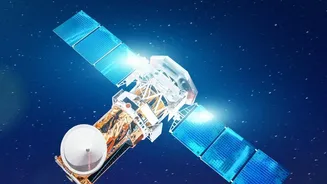
ISRO's future is also deeply collaborative. A key upcoming mission is NISAR (NASA-ISRO Synthetic Aperture Radar), a joint Earth-observation satellite with NASA. Launched in mid-2025, NISAR is the first satellite to use dual radar frequencies (L-band and S-band) to monitor changes in Earth’s surface with unprecedented detail. It will scan nearly the entire planet every 12 days, providing crucial data on everything from glacier melt and volcanic activity to agricultural management and natural disasters. This mission showcases India's role as a major partner in global science, contributing critical technology like the S-band radar and the launch vehicle for a project that will benefit the entire world. Further missions like Chandrayaan-4, which aims to be India's first lunar sample-return mission, continue to push the boundaries of robotic exploration.
Building the Future: Reusability and Space Stations
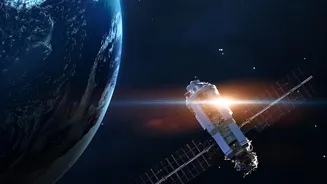
Looking further ahead, ISRO is laying the groundwork for a sustainable and economically viable presence in space. A major focus is the Reusable Launch Vehicle (RLV) program, nicknamed 'Pushpak'. After a series of successful landing experiments, the most recent in June 2024, ISRO is moving closer to developing a two-stage-to-orbit vehicle that can be reused, drastically cutting launch costs. The ultimate goal is to make space access more affordable, which is crucial for the country's long-term ambitions. And those ambitions are grand. India has announced plans to construct its own space station, the Bharatiya Antariksha Station (BAS), by 2035. The first module is targeted for launch by 2028, with the station serving as an orbital platform for scientific research and long-duration human missions, solidifying India’s status as a major spacefaring power.