




The Allure of the Golden-Brown
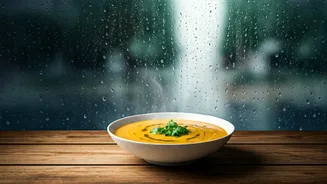
Let’s be honest: there’s a certain magic to fried food. Whether it’s the monsoon rain demanding a plate of bhajis, or a long day ending with a crispy kachori, these delights are woven into the fabric of our culinary lives. They offer an irresistible combination
of texture and taste—a crunchy exterior giving way to a soft, flavourful interior. This craving is primal. The combination of fat, salt, and carbohydrates triggers pleasure centres in our brain, making us feel happy and content, at least for a moment. But we also know the other side of the story: the post-binge slump, the feeling of heaviness, and the long-term health considerations that come with making fried food a frequent habit. It's not about villainizing our beloved snacks, but about broadening our definition of comfort.
Introducing the Ultimate Comfort
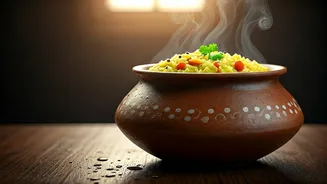
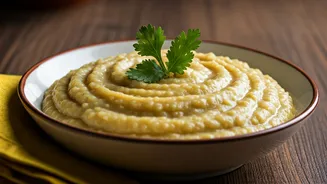
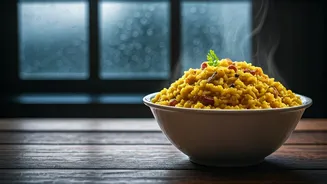
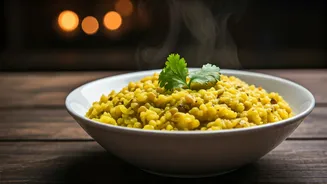
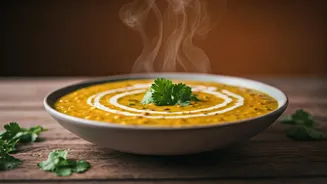
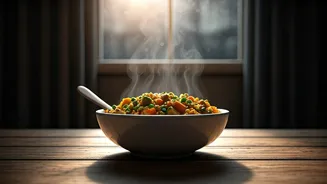
Enter Khichdi. Before you dismiss it as ‘sick person food,’ let’s reframe the narrative. At its core, Khichdi is the ultimate comfort classic. It’s a simple, one-pot wonder of rice and lentils, seasoned to perfection. Think of it as a warm hug in a bowl. It’s the food our mothers and grandmothers made for us, not just when we were unwell, but when they wanted to nourish us from the inside out. Its genius lies in its simplicity and its incredible versatility. Far from being bland, Khichdi is a blank canvas for flavour, capable of being as simple or as complex as your mood desires. It’s the gentle, soul-soothing antidote to the aggressive crunch of fried fare.
Nourishment in Every Spoonful
From a nutritional standpoint, Khichdi is a powerhouse. The combination of rice (a carbohydrate) and dal (a protein) creates a complete protein profile, providing all the essential amino acids your body needs. It’s incredibly easy to digest, which is why it’s recommended during recovery, but this also means it’s gentle on your system any day of the week. Unlike fried foods, which can be heavy and taxing on your digestive system, Khichdi is light yet fulfilling. Often cooked with turmeric, it carries anti-inflammatory benefits. The addition of ghee, a healthy fat, not only adds a rich, nutty flavour but also aids in the absorption of nutrients. It’s a dish that works with your body, not against it.
Your Perfect Bowl: A Simple Guide
Creating your own bowl of comforting Khichdi is incredibly easy. You don’t need a fancy recipe, just a good pot and a few basic ingredients. **The Base:** Start by washing half a cup of rice (any short-grain variety works well) and half a cup of moong dal (split yellow lentils) together until the water runs clear. **The Cook:** In a pressure cooker or a deep pot, heat a tablespoon of ghee. Add a pinch of asafoetida (hing), half a teaspoon of cumin seeds, and a bay leaf. Once the seeds splutter, add a pinch of turmeric powder, the washed rice and dal, and about 3-4 cups of water. Add salt to taste. If using a pressure cooker, cook for 3-4 whistles. If using a pot, bring it to a boil, then cover and simmer on low heat for about 20-25 minutes, or until the rice and dal are soft and mushy. Add more hot water if needed to reach your desired consistency.
Make It Uniquely Yours
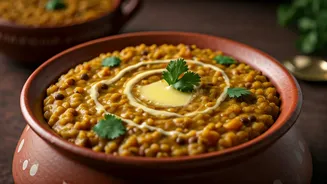
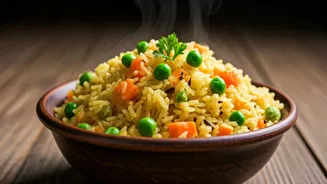
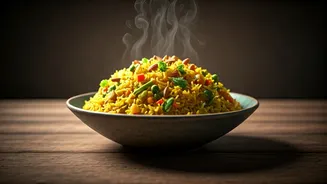
The true beauty of Khichdi is how you can customise it. The base recipe is just the beginning. Consider these variations to make it your own signature comfort meal: * **The Tadka:** The final tempering is where the magic happens. In a small pan, heat ghee and add mustard seeds, dried red chillies, and curry leaves for a South Indian flavour. Or, try fried onions and garlic for a richer taste. * **Add Vegetables:** Finely chopped carrots, peas, beans, and potatoes can be added along with the rice and dal to make it a complete one-pot meal, much like a vegetable pulao's comforting cousin. * **Switch the Dal:** While moong dal is the classic choice for its easy digestibility, you can use toor dal or masoor dal for a different texture and flavour. * **The Accompaniments:** Never eat Khichdi alone! Serve it with a dollop of plain yogurt, a crisp papad, a spoonful of spicy pickle, and a generous drizzle of more ghee on top. These sides elevate the humble dish into a feast of textures and tastes.