







The Great Debate: Four Weeks vs. Eight
Not too long ago, a film would run exclusively in theatres for about eight weeks, and sometimes longer. This was the “theatrical window.” Only after this period would it appear on television or, more recently, on OTT platforms like Netflix, Amazon Prime
Video, or Disney+ Hotstar. However, this standard has been shrinking. In the South Indian film industries, a four-week window became common, while many Hindi films aimed for eight. This has sparked a fierce debate. Theatre owners, represented by bodies like the Multiplex Association of India, argue that a shorter window encourages audiences to stay home, knowing a film will be available for streaming almost immediately. They are pushing for a uniform eight-week, or even longer, exclusive window to protect their business and preserve the magic of the big-screen experience.
Why Producers Are in a Hurry
From a film producer's point of view, the calculation is different. They bear the enormous financial risk of making a movie. A quick OTT deal provides a crucial, guaranteed revenue stream that helps them recover their investment faster. This is especially vital for films that don't perform as expected at the box office. A shorter window allows them to cash in on the marketing buzz of the theatrical release. Producers argue that they should have the freedom to decide the release strategy that makes the most financial sense for their project. In recent months, producers' associations in the South have united to resist pressure from exhibitors, stating that OTT release timelines cannot be dictated by theatre owners alone.
The Audience Dilemma: Convenience vs. Experience
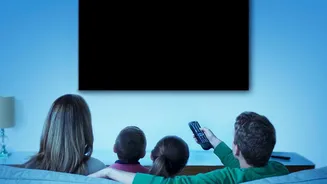
For you, the viewer, this conflict presents a paradox. On one hand, faster OTT releases offer incredible convenience and choice. You can watch the latest movies from the comfort of your couch without spending on tickets, travel, and expensive popcorn. It makes cinema more accessible to everyone. On the other hand, this very convenience can diminish the cultural currency of a movie. When a film arrives on streaming in just a month, the theatrical run feels less like a special event. Knowing a movie is just around the corner on a streaming platform can make audiences, especially for mid-budget films, decide to wait, which in turn hurts the film's box office potential. The shared, collective joy of watching a film on a giant screen with an audience is an experience that streaming cannot replicate.
A New Lifeline for Smaller Films?
The changing landscape has had a particularly strong impact on mid-budget and independent films. These movies often struggle to get and keep screens in a multiplex environment dominated by blockbusters. A quick OTT release can give these films a second life, helping them find a larger audience that missed them in theatres. However, there's a new challenge emerging. As OTT platforms become more powerful, they are also becoming more selective. Some are now basing their acquisition deals on a film's theatrical performance, refusing to buy films that don't do well at the box office. This puts smaller films in a precarious position: they need a theatrical run to secure an OTT deal, but audiences might skip the theatre run assuming it will come to OTT anyway.
What Does the Future Hold?
The tug-of-war is far from over. Exhibitors and producers across the country are in ongoing negotiations to find a middle ground. Some have proposed flexible windows, where a film's theatrical run determines how soon it goes to streaming. Others are calling for a return to a stricter, longer window to revive theatre-going habits. Meanwhile, some big stars and directors are taking a stand, advocating for a much longer gap to protect the cinematic experience. This conflict highlights how much the pandemic has changed viewing habits, accelerating a shift that was already underway.