






The Call of the Forgotten Trails
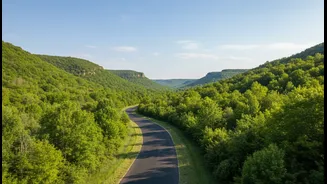
For many urban professionals in cities like Mumbai and Pune, the Sahyadri mountain range is a majestic backdrop to their daily lives. But hidden within these hills is a network of centuries-old trails leading to dramatic forts and secluded lakes, long
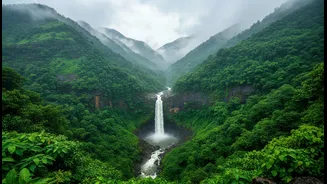
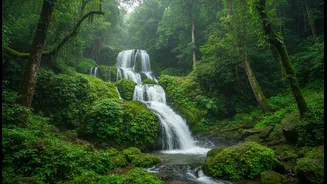
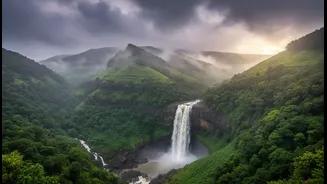
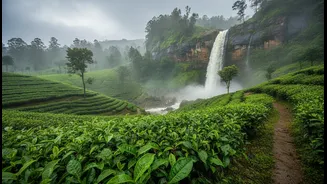
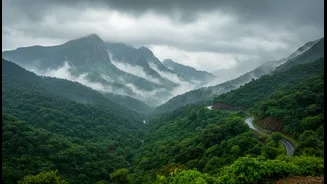
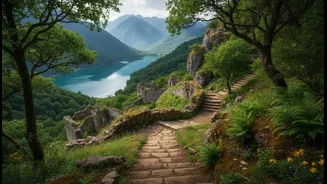
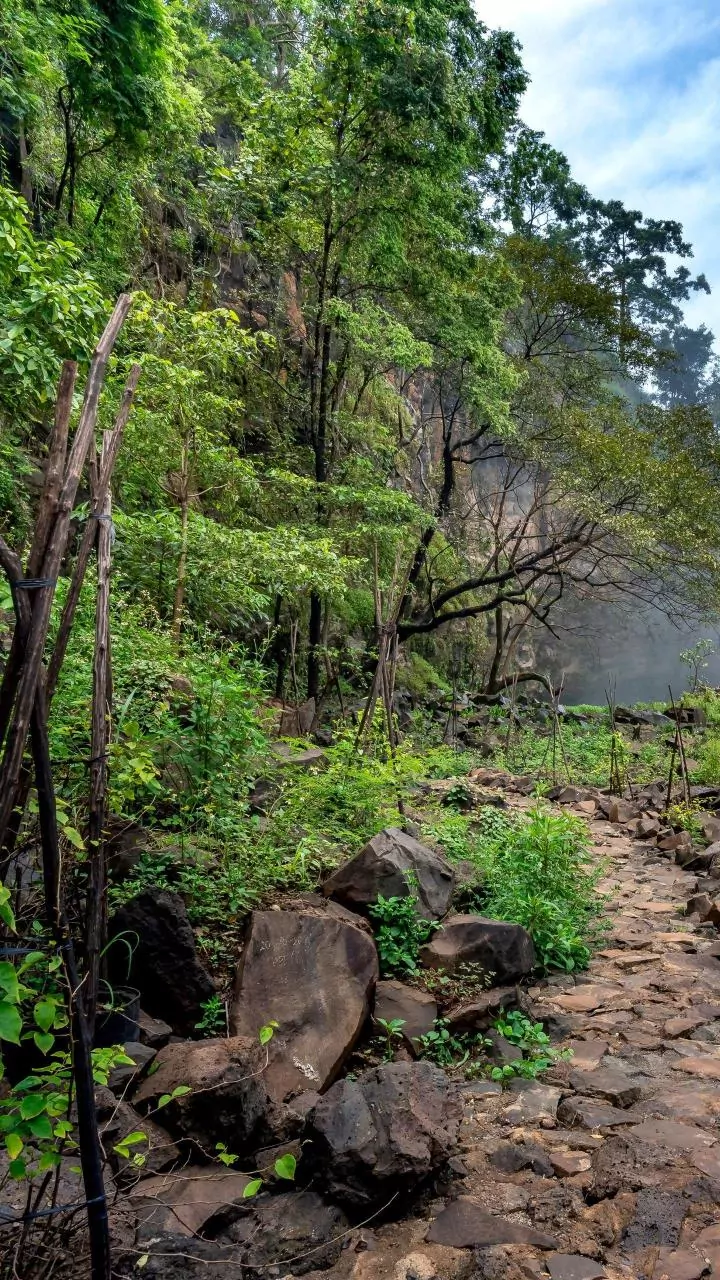
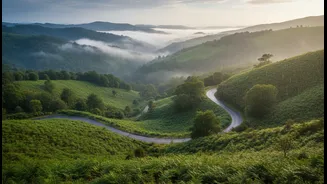
the domain of seasoned trekkers. These are not just hiking paths; they are historical arteries. Routes to forts like Rajmachi, Lohagad, and Harishchandragad were once strategic military and trade corridors for ancient empires. Today, they offer a unique blend of physical challenge and historical immersion. The monsoon season, in particular, transforms the landscape into a lush green paradise, making these treks a popular escape from the city heat.
History, Adventure, and Community
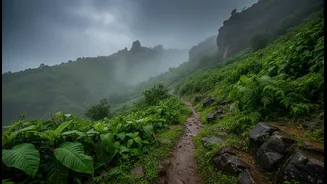
What makes these treks compelling is the tangible connection to history. You aren't just climbing a hill; you are ascending to a fortress like Torna, the first fort captured by Chhatrapati Shivaji Maharaj, or exploring the ruined ramparts and water cisterns of Korigad. Many routes feature rock-cut steps, ancient caves, and temples, offering glimpses into a bygone era. The experience is about more than just the destination. It's about navigating rugged paths, witnessing panoramic views from cliffs like the Konkan Kada at Harishchandragad, and discovering serene lakes that once served as the lifeblood of these garrisons.
The Rise of Small, Passion-Led Groups
The key to making these adventures accessible lies with a growing number of small, specialized trekking groups. Unlike large, impersonal tour companies, these groups are often run by passionate mountaineers and history buffs who have turned their hobby into a profession. Operating with smaller group sizes—often 15 to 20 people—they foster a sense of community and camaraderie. Their focus is on safety, responsible tourism, and deep local knowledge. They handle the logistics, from transportation from the city to providing local guides who know the terrain and its stories intimately. This approach removes the intimidating barrier of planning, making it easy for a solo traveler or a group of friends to sign up for a weekend expedition.
A Typical Weekend Expedition
So, what does one of these trips look like? It often begins with an overnight bus journey from the city, arriving at a base village in the early hours of the morning. After a simple breakfast, the trek begins. The difficulty can range from easy climbs suitable for beginners, like the one to Vikatgad (Peb Fort), to more challenging ascents like Harihar Fort with its famous steep rock-cut stairs. The trek leaders ensure a safe pace, provide historical context along the way, and manage all the logistics. The reward at the summit is not just the stunning view over reservoirs like the Morbe dam from Irshalgad, but also the shared sense of accomplishment with your fellow trekkers. After the descent, the group travels back, leaving you tired but revitalized for the week ahead.
How to Get Started
Finding these groups is easier than ever, with many operating through social media and dedicated websites. When choosing a group, look for experienced leaders, a clear itinerary, and a stated focus on safety protocols. For a beginner, forts like Visapur, Korigad, or Sondai are excellent starting points. Most treks require a basic level of fitness, sturdy shoes, a rain jacket (especially during monsoon), and a small backpack with water and snacks. The organizers typically provide a detailed list of essentials. The cost is often budget-friendly, covering transport, food, and guide fees, making it a highly accessible form of weekend adventure travel.