




Sprouted Moong Chaat
Many people avoid street-side chaat during the monsoon due to hygiene concerns, but a homemade version can be both safe and incredibly nutritious. Sprouted moong (mung beans) is the star here, offering a fantastic plant-based protein punch. Sprouting
increases the beans' nutritional value and makes them easier to digest. Simply blanch the sprouts for a few minutes to ensure they are safe to eat, then toss them with finely chopped onion, tomato, coriander, and a squeeze of lemon juice. This light, tangy, and protein-filled snack delivers freshness without feeling heavy, making it perfect for a humid afternoon.
Besan or Moong Dal Cheela
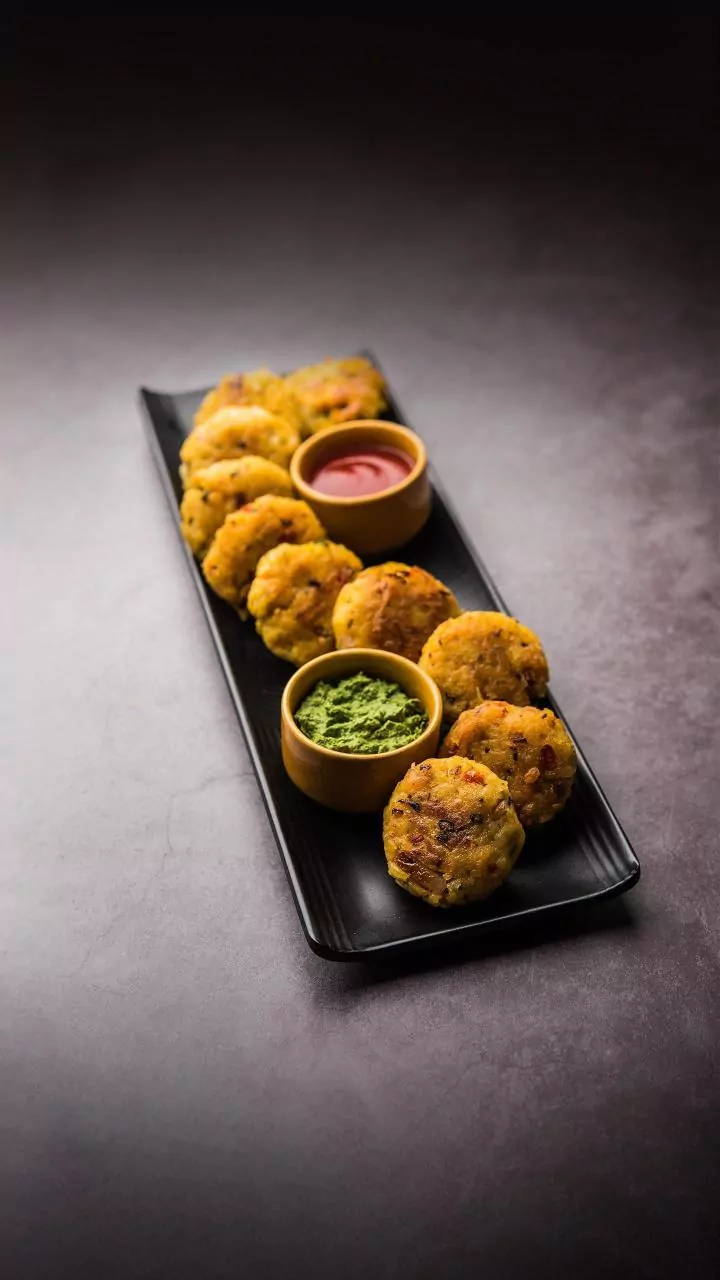
A classic in many Indian households, the cheela, or savory pancake, is a quick and versatile protein source. Made from besan (gram flour) or soaked and ground moong dal, the batter itself is rich in protein. You can make them thin and crisp or slightly thicker and softer, and they cook in minutes on a hot pan. To boost the protein content even further, stuff the cheela with crumbled paneer, grated tofu, or mixed vegetables. Served hot with a side of green chutney, it’s a comforting and wholesome meal that easily satisfies rainy-day hunger pangs.
Masala Roasted Chana
When you crave a crunchy, salty snack, roasted chana (chickpeas) is one of the healthiest options available. It satisfies the same craving as a packet of chips but provides a significant amount of protein and fibre instead of empty calories. A 100g serving of roasted chana can provide a substantial protein boost. You can buy them plain and toss them at home with a bit of chaat masala, black salt, and a pinch of chili powder for an instant, flavourful snack. They are easy to store in an airtight container, making them a reliable option to have on hand throughout the season.
Paneer Tikka
For a more substantial and indulgent-feeling snack, look no further than paneer tikka. Paneer, or Indian cottage cheese, is a powerhouse of high-quality protein, making it incredibly satiating. Cubes of paneer are marinated in a mixture of yogurt and spices like turmeric, garam masala, and chili powder before being grilled or pan-seared. This method of cooking avoids deep frying while still delivering a smoky, charred flavour that is deeply satisfying on a cool, rainy evening. It’s a snack that feels special but is easy to prepare and keeps you feeling full for longer.
Roasted Makhana (Fox Nuts)
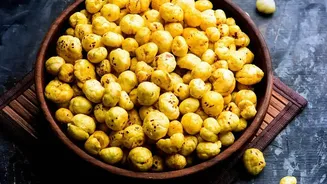
Makhana, or fox nuts, are a quiet hero of Indian snacking. These puffed lotus seeds are incredibly light, low in calories, and contain a good amount of protein. They are naturally gluten-free and easy on the digestive system, which can be sluggish during the monsoon. To prepare, simply dry roast them in a pan for 8-10 minutes until they become crisp. You can add a teaspoon of ghee and season them with salt, black pepper, or your favorite spices. Their ability to stay crisp when stored in an airtight container makes them a far better choice than fried snacks that quickly turn soggy in the humidity.
Steamed Dhokla
This popular Gujarati snack is not only delicious but also very healthy. Made from a fermented batter of gram flour, dhokla is steamed, not fried, making it low in calories and easy to digest. The fermentation process enhances its nutritional profile and is good for gut health. It’s a wonderful source of protein and fiber. The light, spongy texture and savory taste, often topped with a tempering of mustard seeds and curry leaves, make it a delightful snack to enjoy with a cup of tea while watching the rain.