



The Challenge of the Human Body in Space
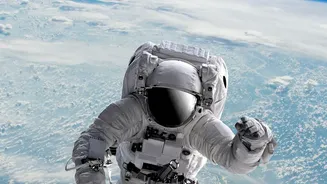
Space is an unforgiving environment for the human body. Without Earth's gravity, astronauts experience significant physiological changes. Bones can lose density at a rate of 1% to 1.5% per month, similar to accelerated osteoporosis. Muscles weaken and
atrophy, the cardiovascular system deconditions, and fluids shift upwards in the body, affecting everything from vision to organ function. Furthermore, the isolation and confinement of space missions pose significant challenges to behavioural and mental health. Solving these problems is the primary job of space medicine, a field that India is rapidly advancing through institutions like the Institute of Aerospace Medicine (IAM).
India’s Focus: Gaganyaan and Beyond
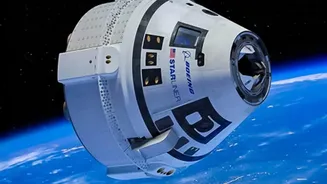
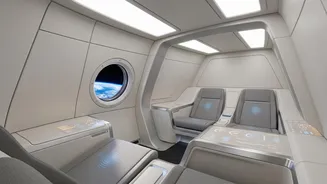
At the heart of India's space medicine efforts is the Gaganyaan mission. To support this historic human spaceflight program, the Indian Space Research Organisation (ISRO) has partnered with leading medical institutions like the All India Institute of Medical Sciences (AIIMS) and the Sree Chitra Tirunal Institute for Medical Sciences & Technology (SCTIMST). This collaboration focuses on crucial research areas: human physiology, behavioural health, radiation biology, and the development of biomedical support systems. The goal is not just to ensure the safety of the Gaganyaan crew but to establish a foundation for long-duration missions, including a future Indian space station, the Bharatiya Antariksh Station.
From Orbit to the Clinic: Bone and Muscle Health
The research into preventing bone and muscle loss in astronauts has direct parallels to major health issues on Earth. The physiological changes that astronauts undergo in microgravity are remarkably similar to the effects of ageing and sedentary lifestyles. Understanding the mechanisms of muscle atrophy and bone demineralisation in space helps scientists develop better countermeasures. These findings can lead to new therapies and rehabilitation strategies for patients with osteoporosis, muscle wasting diseases, or those recovering from long periods of bed rest. Essentially, by studying the accelerated ageing process in space, we can learn how to slow it down on Earth.
A Revolution in Remote Healthcare
Keeping astronauts healthy requires sophisticated remote monitoring. Doctors on the ground need to track vital signs and health data in real-time from thousands of kilometres away. This necessity drives innovation in wearable sensors, portable diagnostic tools, and telemedicine. ISRO has been a pioneer in this area, having started its telemedicine programme back in 2001 to connect remote hospitals with urban specialists using satellite technology. The advanced systems developed for Gaganyaan will further enhance this capability, offering a blueprint for delivering high-quality healthcare to India's rural and underserved communities, overcoming geographical barriers.
Improving Hospital Efficiency on Earth
ISRO's expertise extends beyond technology to systems and processes. The organisation is known for its meticulous quality control and standardisation, principles that are critical in life-or-death space missions. Through an initiative called Health-QUEST (Quality Upgradation Enabled through Space Technology), ISRO has shared these best practices with Indian hospitals. A pilot program in 10 hospitals focused on improving emergency care by implementing space mission principles like real-time tracking and process standardisation. The results were impressive, with significant reductions in patient wait times and discharge times, demonstrating how space-grade efficiency can directly improve patient outcomes on the ground.
Spinoffs for Everyday Health
Over the years, the Indian space program has generated numerous 'spinoff' technologies that have found their way into the healthcare sector. ISRO's technology transfer program has led to over 350 technologies being adapted for Indian industries, including many in the medical field. These include low-cost, lightweight artificial limbs and artificial polyurethane feet, ventilators, and even an endoscopic catheter-mounted probe to assess mucosal health. These innovations are a testament to the idea that investing in space exploration often yields practical, affordable solutions to everyday problems on Earth.