

The New Prime Time is Always On
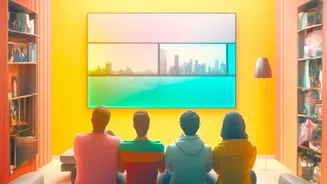
Forget waiting for a 9 PM slot. For Gen Z, prime time is any time, thanks to a media landscape dominated by on-demand streaming. Platforms like Netflix, Amazon Prime Video, and Disney+ Hotstar have fundamentally shifted consumption habits from appointment
viewing to personal-schedule viewing. This generation has grown up with the power to binge an entire series in a weekend or watch a movie on their phone during a commute. The same applies to audio; music streaming services like Spotify, Gaana, and JioSaavn provide instant access to global and local artists, making playlists and algorithmic recommendations the new radio. This always-on, hyper-personalised access to content is the bedrock of Gen Z's entertainment world. It has cultivated an expectation of flexibility and control, where the viewer, not the broadcaster, is in charge.
Gaming is the New Social Square
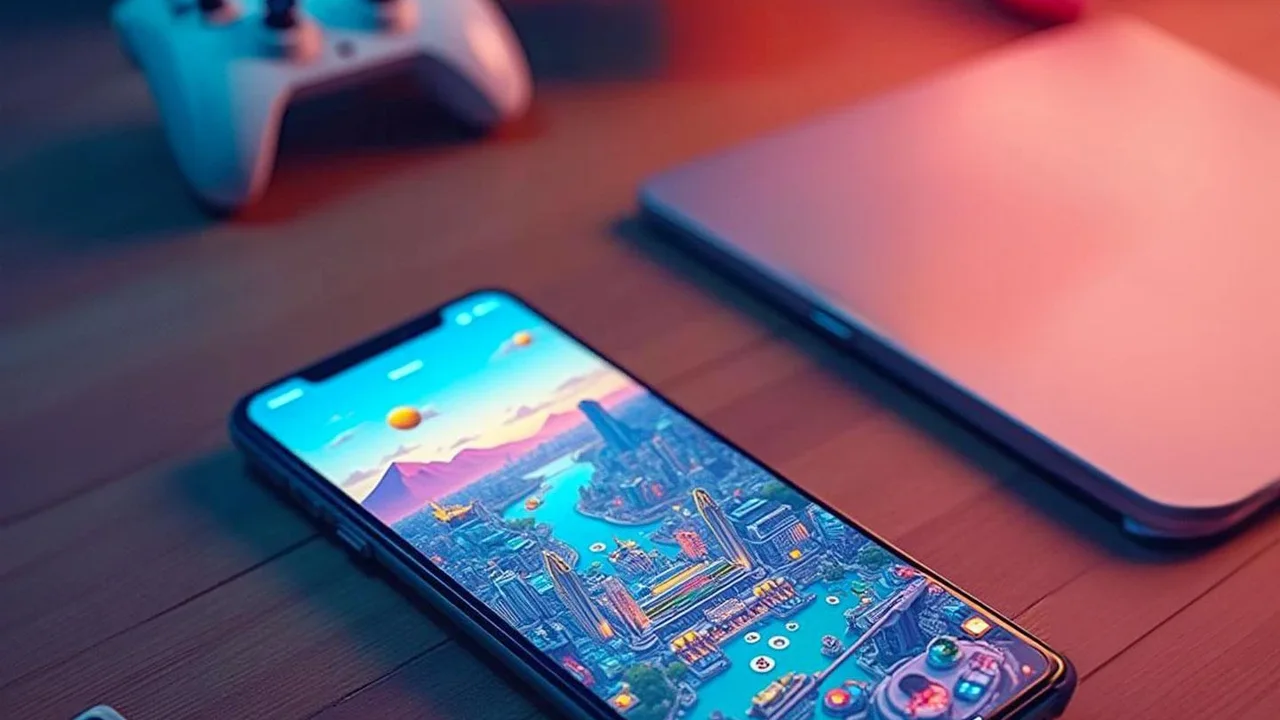
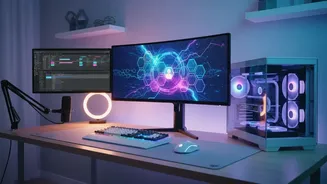
For previous generations, gaming was often a solitary hobby. For Gen Z, it's a bustling social hub. The activity is no longer just about playing the game; it's about the community and culture surrounding it. Platforms like Twitch and YouTube Gaming have transformed gameplay into a spectator sport, where millions watch their favourite creators play and interact in real-time. In India, mobile gaming, led by titles like Battlegrounds Mobile India (BGMI), has exploded due to accessible smartphones and cheap data. These games are social spaces where friends connect and strategise. The rise of esports has further legitimised gaming as a serious competitive and entertainment field. For many in Gen Z, gaming is where they connect with friends, express themselves through customised avatars, and participate in a global cultural conversation.
Social Media: The Connective Tissue
If streaming is the content and gaming is the interactive space, then social media is the glue that binds it all together. Platforms like Instagram, YouTube Shorts, and Moj are not just for connecting with friends; they are powerful discovery engines for all other forms of entertainment. A hilarious clip from a web series, a viral dance challenge set to a new song, or a mind-blowing play from a gaming stream can explode on these platforms, driving massive audiences back to the original source. More than half of Gen Z and millennials report getting better recommendations for shows and movies from social media than from the streaming services themselves. This ecosystem creates a feedback loop: a song goes viral on Reels, climbs the Spotify charts, gets used by a gamer in their live stream, and is then clipped and shared back to social media, starting the cycle anew.
The Creator is the New Channel
Perhaps the most profound shift is the rise of the creator economy. Gen Z's loyalty is often not to a media company but to individual creators. In India, this trend is particularly strong, with a staggering 83% of Gen Z identifying as content creators themselves. These digital entrepreneurs build dedicated communities who follow them across platforms. A creator might stream a game on YouTube, post lifestyle vlogs, share comedic skits on Instagram, and engage with their followers on Discord. They are the living embodiment of the convergence of entertainment. For their audience, the creator is the channel. This has decentralised influence away from traditional media gatekeepers and placed it in the hands of relatable, authentic personalities who move fluidly between being entertainers, gamers, and social influencers.
An Integrated Entertainment Loop
Ultimately, it's a mistake to view these three pillars—streaming, gaming, and social platforms—as separate. For Gen Z, they have merged into a single, seamless experience. A user might discover a new game because their favourite YouTuber, known for comedy sketches, live-streamed it. They'll then play the game with friends while chatting on Discord, watch professional players on Twitch for tips, and share their own best moments on Instagram Reels. This is not a linear path but a continuous, interactive loop where content, interaction, and community constantly feed each other. The lines have blurred to the point where gaming platforms are used for socialising, and social platforms are used for watching video content that used to be the domain of streamers. It’s one integrated world, experienced across multiple screens, often simultaneously.