


The Rain Shadow Advantage
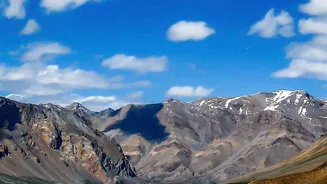
The primary reason August is exceptional for a Ladakh trip is its unique climate. Ladakh is a high-altitude cold desert located in a rain shadow zone, meaning the towering Himalayan ranges block most monsoon clouds from reaching the region. While much
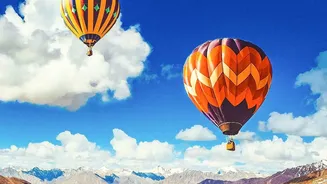
of India experiences heavy rainfall, Ladakh enjoys mostly clear blue skies and minimal precipitation. This creates a perfect escape for those looking to trade grey skies for brilliant sunshine. The weather is generally pleasant, with daytime temperatures in Leh hovering between 15°C and 25°C, warm enough for comfortable sightseeing. Nights, however, get considerably colder, so packing layers is essential.
Landscapes in Full Bloom
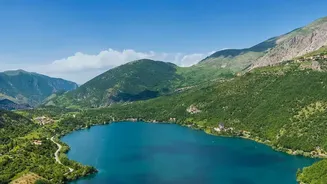
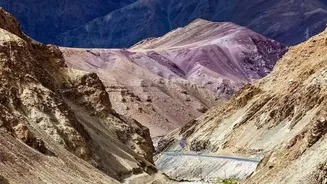
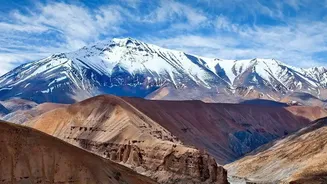
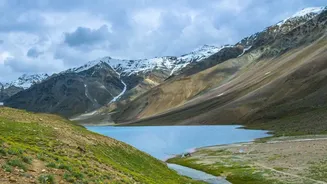
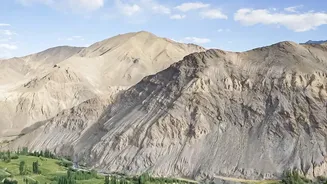
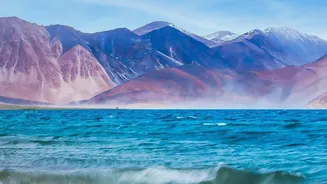
August is a month of incredible visual transformation in Ladakh. The snowmelt from the preceding months, combined with light summer showers, breathes life into the valleys. This is the time when riverbanks and lower fields turn a startling shade of green, creating a stunning contrast against the barren, multi-hued mountains. This brief period of greenery is a photographer's dream, offering a vibrant palette not seen during other times of the year. The air is crisp, the views are unobscured by haze, and iconic sights like Pangong Tso and Tso Moriri are at their most brilliant blue under the August sun.
Adventure on Open Roads
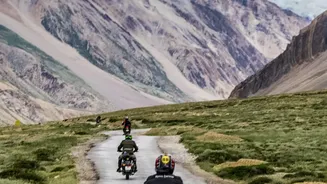
For road trip enthusiasts, August is a golden window. Both major arteries into the region—the Srinagar-Leh and Manali-Leh highways—are fully operational. The high mountain passes, including the famous Khardung La and Chang La, are clear of snow and accessible, opening up the entire circuit of Nubra Valley, Pangong Lake, and other remote areas. While the approach roads through Himachal and Kashmir can face monsoon-related challenges like landslides or swollen water crossings, the roads within Ladakh itself are generally stable. For this reason, many experienced travellers suggest keeping buffer days in your itinerary or choosing to fly directly into Leh to maximize time in the dry zone.
A Month of Culture and Calm
While June and July see the absolute peak of tourist traffic, August offers a slightly more relaxed atmosphere. The initial summer rush has subsided, meaning you can experience popular monasteries and viewpoints with fewer crowds. August is also part of Ladakh's vibrant summer festival season. Depending on the year's lunar calendar, several monastic festivals, known as 'gustors', can fall in August, such as those at Korzok and Takthok monasteries. These events, featuring traditional masked dances (Chams) and religious rituals, provide a fascinating window into Ladakhi culture. Even without a major festival, the summer months are when local life is at its most active and accessible.
Tips for Your August Journey
A trip to Ladakh in August is rewarding, but preparation is key. Acclimatization is non-negotiable; spend at least two full days in Leh upon arrival to let your body adjust to the altitude before ascending to higher areas like Pangong. Book your flights and accommodations in advance, as it remains a popular month for travel. When packing, think in layers: T-shirts for sunny afternoons, a fleece for the shade, and a warm jacket for the cold nights and early mornings. If you plan to travel by road, start your days early to cross water crossings when they are at their lowest, and always check the latest road status updates from official sources like the Border Roads Organisation (BRO).