




A Timeless Culinary Principle
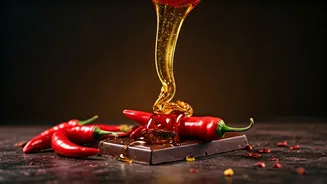
Long before 'hot honey' drizzled its way onto global menus, the kitchens of India had mastered the art of balancing sugar and spice. This combination isn't a fleeting fad here but a foundational pillar of our gastronomy. It’s a deliberate, thoughtful
pairing where sweetness, often from natural sources like jaggery or fruit, doesn't just mask the heat of chillies but enhances and mellows it, creating a complex flavour profile that is more than the sum of its parts. The Portuguese may have introduced chillies to India in the 16th century, but it was Indian ingenuity that married their fire with the subcontinent's ancient love for sweetness, derived from sugarcane products like 'gur' and 'sarkara' for millennia.
The Gujarati Art of Balance
Nowhere is the 'sweet heat' philosophy more evident than in Gujarati cuisine. A typical Gujarati dal is a masterclass in this balance, a symphony of 'khatti-meethi' (sour-sweet) flavours where jaggery, tamarind, and chillies coexist in perfect harmony. This tradition isn't just for taste; historically, the addition of jaggery was a practical solution to balance the saltiness of water in certain regions. Dishes like Undhiyu, a winter vegetable classic, or the everyday farsan, often feature this signature blend, proving that for Gujaratis, a hint of sweetness is essential to a well-rounded meal.
Parsi Perfection: Tikhu-Khatu-Mithu
The Parsis, with their Persian roots and Indian adoption, have a culinary mantra: 'Tikhu-Khatu-Mithu', which translates to hot, sour, and sweet. This trinity of flavours defines their most beloved dishes. Take the famous Dhansak, a lentil and meat stew, or Sali Boti, a spiced mutton preparation often made with apricots ('jardaloo'). These dishes are not just about combining ingredients; they are about creating a robust, multi-layered experience where the heat of spices, the sourness of vinegar or tamarind, and the sweetness of jaggery or fruit come together in a celebrated union. Even a simple ground meat dish, Kheema, is transformed in the Parsi style into a sweet and sour delight.
Southern and Eastern Echoes
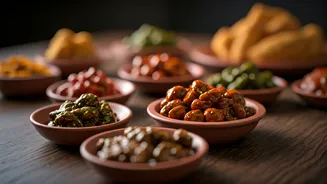
This flavour combination is by no means restricted to Western India. In the South, Kerala's famous Sadya feast is incomplete without Puli Inji, a fiery, tangy, and sweet chutney made from ginger, tamarind, green chillies, and jaggery. It's a condiment that explodes on the palate with all four flavour profiles. Further east, Bengali cuisine offers its own take with the sweet tomato chutney, often enriched with dates (khajur) and mango leather (aam papad). Typically served at the end of a meal, this chutney uses sugar or jaggery to temper the tartness of tomatoes, with a hint of spice from mustard seeds and dried red chillies, creating a sublime finish.
The Magic Ingredients
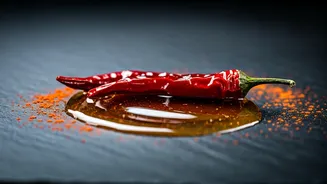
The genius of Indian sweet heat lies in its core ingredients. The sweetness is rarely from refined white sugar but from the earthy, mineral-rich depth of jaggery (gur), a staple for thousands of years. The sour, tangy notes come from tamarind, kokum, or vinegar, while the heat is delivered by a diverse array of fresh green chillies and dried red chillies. Spices like cinnamon, cloves, and ginger often join in, adding aromatic warmth. It's this intelligent combination of natural, wholesome ingredients that has made sweet and spicy not just a flavour but a philosophy in Indian cooking. One classic example is the Goan Pork Vindaloo, which balances the heat of Kashmiri chillies with the sweetness of jaggery and the sharpness of vinegar.