





Understanding Your Refrigerator's Climate
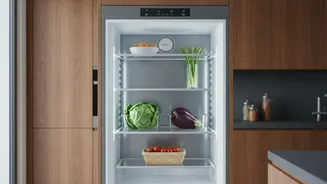
Most people don't realize that a refrigerator has different temperature zones. Cold air sinks, and opening the door introduces warmer air, creating a microclimate inside. As a general rule, your fridge should be set at or below 4°C to keep food out of
the 'danger zone' where bacteria multiply quickly. However, the temperature isn't uniform throughout. The door is the warmest part, while the bottom and back are typically the coldest. Understanding these zones is the first step to making your groceries last longer and keeping your food safer to eat. Storing items in their optimal spot can significantly extend their freshness and quality.
The Door: For Condiments Only
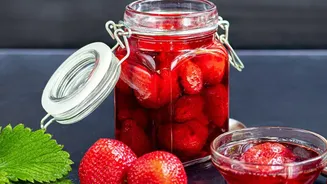
The refrigerator door is the warmest part of the appliance, subject to the most temperature fluctuations every time you open it. This makes it an unsuitable place for highly perishable items like milk or eggs, which need a stable, cold environment. Instead, use the door shelves for foods that are naturally preserved with salt, vinegar, or sugar. This includes condiments like ketchup, mustard, mayonnaise, pickles, and jams. Salad dressings and bottled water or juice are also well-suited for the door. Think of it as prime real estate for items that can handle a little temperature change.
Upper Shelves: Ready-to-Eat and Leftovers
The upper shelves of a fridge tend to have the most consistent and moderate temperatures. This makes them the perfect spot for foods that don't need to be cooked or are already prepared. Store leftovers in clear, airtight containers here, along with ready-to-eat snacks like hummus and yogurt, deli meats, and cheeses. It's also a good place for drinks and fresh herbs. Placing these foods on the top shelves keeps them visible, reminding you to eat them before they spoil, and safely away from any potential drips from raw foods stored below.
Lower Shelves: The Cold Zone for Raw Goods
The coldest part of your refrigerator is typically the bottom shelf, located at the back. This area is ideal for storing the most perishable items that require cold, stable temperatures to prevent bacterial growth. This is where you should always store raw meat, poultry, and fish. To prevent cross-contamination, make sure these items are well-wrapped or placed in sealed containers or on a plate to catch any potential drips. Dairy products like milk and cream, as well as eggs, also belong in this colder section rather than the door.
The Crisper Drawers: A Guide to Humidity
Those drawers at the bottom of your fridge are more than just bins for produce; they are designed to control humidity. Many have adjustable sliders that let you choose between a low and high humidity setting. A high-humidity setting closes the vent, trapping moisture inside. This is perfect for produce that wilts, like leafy greens (lettuce, spinach, kale), broccoli, carrots, and fresh herbs. A low-humidity setting opens the vent, allowing ethylene gas—a natural ripening agent—to escape. This setting is best for fruits that produce a lot of ethylene, such as apples, pears, peaches, and avocados, which helps prevent them from ripening too quickly. As a rule, keep fruits and vegetables in separate drawers to prevent the ethylene from the fruits causing the vegetables to spoil faster.