





The 'Hydrogen for Heritage' Mission
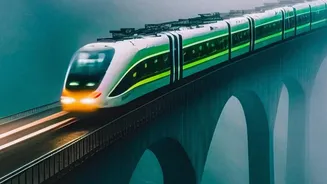
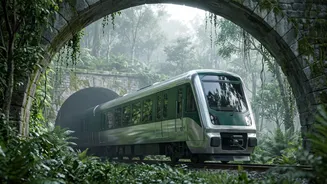
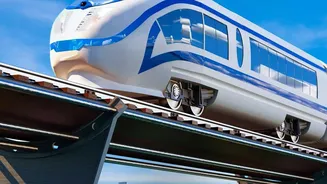
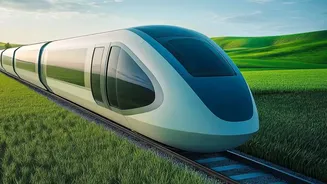
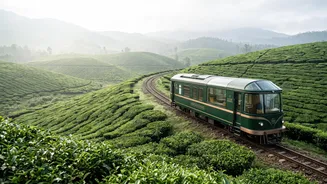
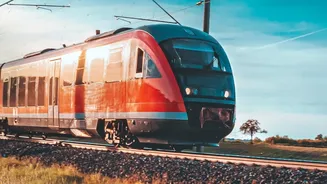
Indian Railways has launched an ambitious initiative called 'Hydrogen for Heritage'. The core idea is to retrofit diesel-powered trains on its iconic heritage and mountain routes with green hydrogen fuel cell systems. The plan involves deploying 35 such
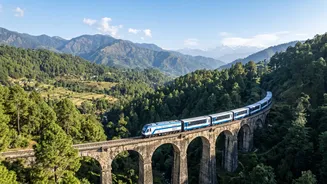
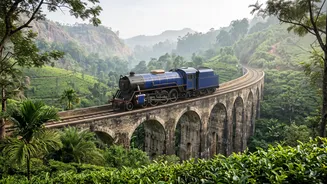
trains across ecologically sensitive and scenic lines, including the Kalka-Shimla, Darjeeling Himalayan, and Nilgiri Mountain Railways. This project moves beyond mere transport; it’s about preserving the natural beauty of these UNESCO World Heritage sites while showcasing cutting-edge, clean technology. By eliminating diesel emissions, the initiative aims to offer a quieter, cleaner, and more sustainable experience for tourists and locals alike, aligning heritage preservation with India’s climate goals.
How Hydrogen Power Works
So, how does a hydrogen train run? Instead of burning diesel, these trains use a fuel cell system. Pressurised hydrogen stored in tanks on the train combines with oxygen taken from the air. This electrochemical reaction inside the fuel cell generates electricity to power the train's motors. The only byproduct of this process is water vapour, making it a zero-emission mode of transport at the point of use. To make it truly 'green,' the hydrogen itself must be produced using renewable energy, like solar or wind power, to split water into hydrogen and oxygen through a process called electrolysis. Any excess electricity generated can be stored in onboard batteries to provide a power boost when needed, such as during acceleration.
A Perfect Testbed for New Tech
Mountain railways present a unique set of challenges that make them an ideal, if difficult, starting point for this technology. These routes often feature steep gradients, sharp curves, and numerous tunnels, which make overhead electrification both technically challenging and prohibitively expensive. Furthermore, erecting poles and wires would detract from the pristine natural landscapes that are a key part of their charm. Hydrogen trains offer a self-contained power source, eliminating the need for extensive and intrusive infrastructure. By proving the technology's viability in these demanding conditions, Indian Railways can gather valuable data for potential wider application on other non-electrified routes across the country.
The Technological and Economic Leap
This initiative represents a significant technological leap for several reasons. It helps India reduce its heavy dependence on imported diesel, thereby enhancing energy security. It also fosters domestic manufacturing and technical expertise under the Atmanirbhar Bharat mission, as the trains are being indigenously developed. The first prototype, retrofitted from an existing Diesel Electric Multiple Unit (DEMU) rake, has already undergone successful trials on the Jind-Sonipat section. While the initial costs are high—each train is estimated to cost around ₹80 crore, with significant investment in ground infrastructure—the expenses are expected to decrease as the technology scales up. This project acts as an anchor for India's National Green Hydrogen Mission, helping to build a wider ecosystem for hydrogen production and use.
Navigating the Challenges Ahead
The path to a fully hydrogen-powered heritage fleet is not without its hurdles. The primary challenges are the high initial costs of producing green hydrogen and manufacturing the fuel cell systems. Creating a reliable and safe infrastructure for producing, storing, and refuelling with highly flammable hydrogen is a major logistical and financial undertaking. Dedicated fuelling facilities, like the one established in Jind, are required for each route. There are also technical considerations, as fuel cell systems must be robust enough to handle the vibrations and demanding operational conditions of rail transport. However, experts believe these challenges are surmountable, and the project's long-term benefits for the environment and technology sector outweigh the initial costs.