



The Science of Gummy Grains
The primary culprit behind mushy grains is straightforward: too much water. When grains cook, they absorb liquid and their starches swell. An excess of water leads to over-absorption, causing the starches to burst and release into the cooking liquid.
This creates a sticky, gummy porridge instead of distinct, fluffy kernels. Different grains have different structures and starch contents, which is why a one-size-fits-all approach doesn't work. Mastering the correct liquid ratio for each specific grain is the foundational step toward achieving the perfect texture.
Prep Steps for Perfect Texture
Before you even think about water ratios, two preparation steps can make a world of difference. First, always rinse quinoa. It’s coated in a natural compound called saponin, which can taste bitter or soapy and contribute to a gummy texture. A good rinse in a fine-mesh sieve solves this. Second, consider toasting your grains. For heartier grains like farro, millet, and quinoa, toasting them in a dry pot for a few minutes before adding water enhances their natural nutty flavour. This process also helps the individual kernels stay separate during cooking, creating a better final texture.
The Quinoa and Millet Equation
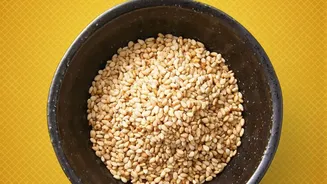
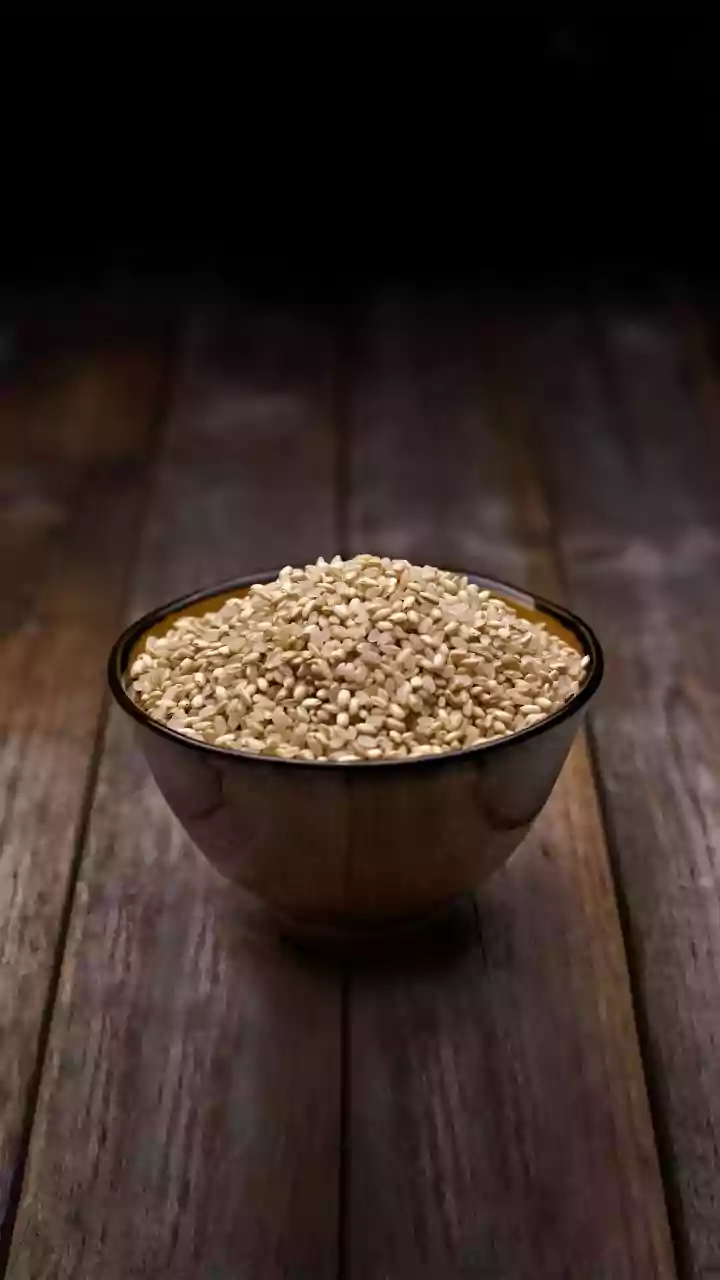
For the most popular ancient grains, the magic ratio is often quite similar. For both quinoa and millet, the ideal formula for a fluffy, light result is one part grain to two parts water (or broth for more flavour). Combine the rinsed grain and liquid, bring to a boil, then immediately reduce the heat to a low simmer. Cover the pot and cook until the water is absorbed—typically 15 minutes for quinoa and about 20 for millet. Resist the urge to stir, as this can break up the grains and make them mushy.
A Different Approach for Farro
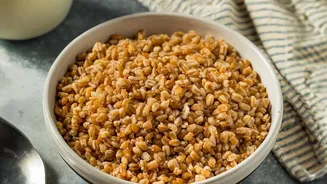
Farro is a chewier, more robust grain that benefits from a different cooking method to prevent sogginess. While you can use a ratio of one part semi-pearled farro to three parts water and simmer until absorbed, an even more foolproof method is to cook it like pasta. Bring a generous pot of salted water to a boil, add the farro, and cook it for 20-30 minutes until it’s tender but still has a pleasant chew. Once it's done, simply drain off the excess water. This technique makes it virtually impossible for the farro to become waterlogged and mushy, ensuring a perfect al dente texture every time.
Handling Amaranth and Teff
Smaller grains like amaranth and teff have a naturally creamier consistency and are often used to make porridge. While they won't become as fluffy as quinoa, you can still avoid a soupy result. For a firmer, pilaf-style side dish, use a ratio of one part amaranth to two parts water. This is less liquid than the 1:3 ratio typically used for porridge. The final texture will be soft and slightly sticky, which is characteristic of the grain, but it will hold its shape on a plate rather than spreading like a paste.
The Final, Crucial Rest
Perhaps the most overlooked step in cooking any grain is the rest period. Once all the water is absorbed, do not stir or serve it immediately. Remove the pot from the heat and let it stand, still covered, for at least five to ten minutes. This allows the residual steam to do its work, gently finishing the cooking process and helping the grains separate and firm up. Afterwards, gently fluff the grains with a fork. Skipping this step is often the final mistake that stands between you and a bowl of perfectly cooked, fluffy grains.