


Banff: More Than a Mountain View
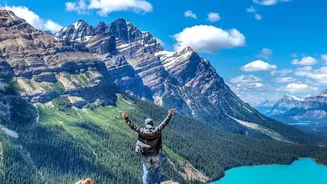
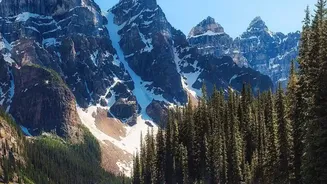
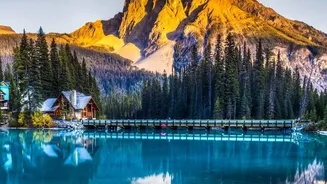
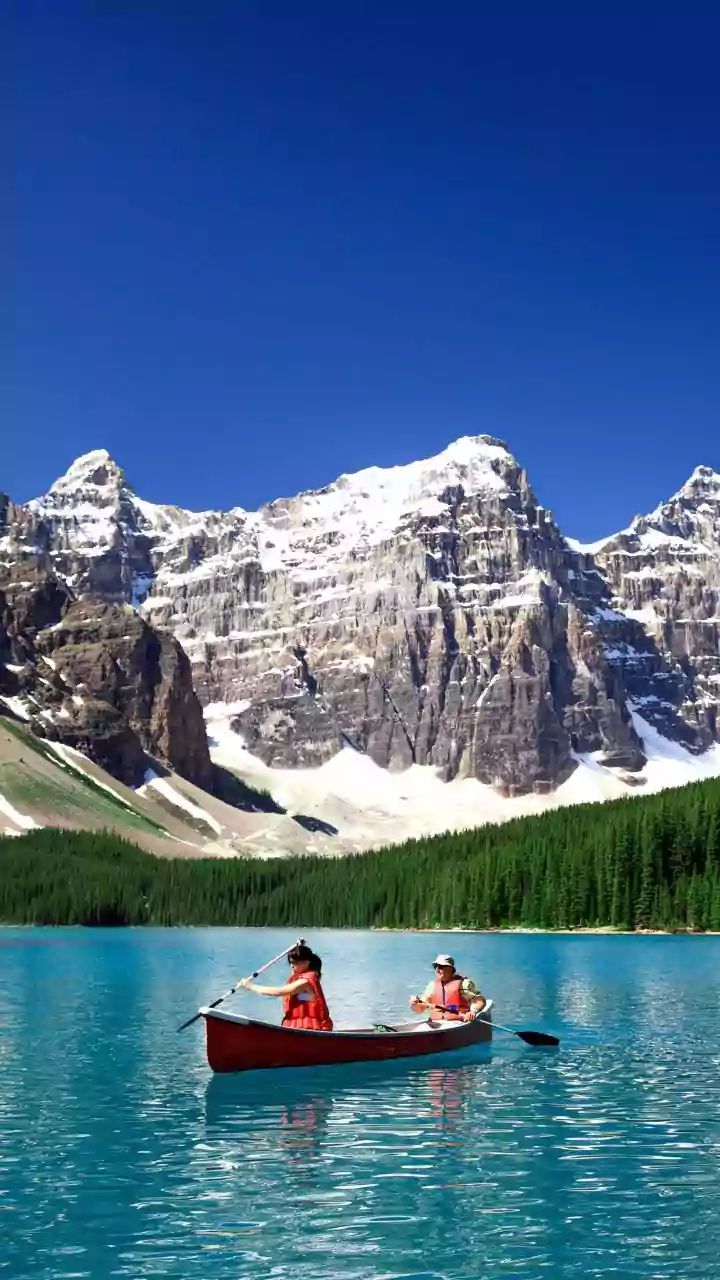
The turquoise lakes and majestic peaks of Banff National Park are world-renowned. Yet, Canada's oldest national park is straining under the weight of its own fame. With visitation numbers breaking records, reaching 4.5 million in 2025, the conversation
in Banff is shifting from tourism to 'overtourism'. This phenomenon is not just about crowds and traffic jams, which can make it nearly impossible for locals to go grocery shopping; it's about the ecological cost. The sheer volume of people puts pressure on wildlife and sensitive habitats. Animals like grizzly bears and wolverines are forced to retreat as hikers stray from marked trails. While Parks Canada has implemented measures like mandatory shuttles to popular spots like Lake Louise, many residents feel more needs to be done, with some even calling for a cap on visitor numbers to preserve the very wilderness that draws people in. Reconsidering Banff means looking for ways to enjoy it more responsibly, perhaps by exploring lesser-known trails or visiting during the off-season.
Niagara Falls: Nature vs. Neon
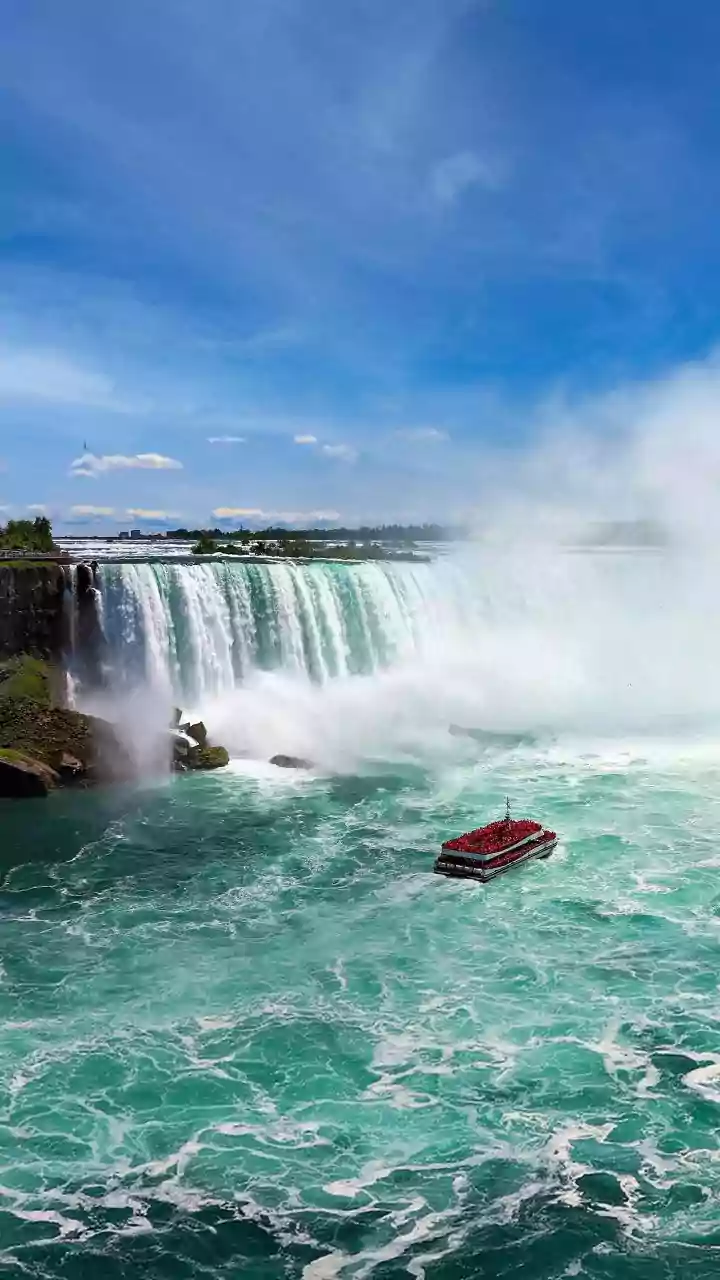
The sheer power of Niagara Falls is an undeniable natural wonder. However, the experience on the Canadian side is a tale of two cities. There is the awe-inspiring cascade itself, a force of nature that has captivated people for centuries, and then there is the surrounding urban environment, a kaleidoscope of neon-lit attractions, casinos, and souvenir shops. This intense development has had a significant impact on the river corridor's natural resources. While the region promotes its status as a UNESCO World Biosphere Reserve and highlights sustainability efforts, the strain of over 13 million annual visitors is undeniable. The challenge for the modern visitor is to look past the commercialism to appreciate the area's rich biodiversity and conservation efforts. Engaging with eco-tours or exploring the Niagara Parks system can offer a deeper connection to the environment that exists in the shadow of the Ferris wheels and franchise restaurants.
Vancouver's Stanley Park: A Deeper History
Stanley Park is celebrated as a 1,000-acre urban oasis, a green jewel in Vancouver's downtown core. But to see it only as a city park created in 1886 is to miss thousands of years of history. This land is the unceded traditional territory of the Musqueam, Squamish, and Tsleil-Waututh First Nations. Before it was a park, it was home to villages like X̱wáýx̱way, a large settlement with a history stretching back over 3,000 years. When the park was established, these communities were forcibly displaced, and their homes were destroyed to make way for park roads, some of which were even paved using the shell middens left by generations of Indigenous inhabitants. Reconsidering Stanley Park involves acknowledging this difficult history. It means seeing the totem poles not just as a tourist attraction, but as a connection to the living cultures that were displaced. Seeking out Indigenous-led tours or simply learning the traditional place names can transform a simple walk in the park into a more meaningful act of reconciliation.
Peggy's Cove: A Picturesque Village in Peril
The image of the lighthouse perched on wave-washed granite rocks in Peggy's Cove is an emblem of Maritime Canada. But for the tiny fishing village, being a postcard has come at a cost. The sheer volume of tourists—around 700,000 a year—overwhelms the small community, threatening the authentic character that makes it so appealing. Locals have long worried about outsiders changing the fabric of their home, where a functioning fishing community now coexists with a constant stream of visitors. In recent years, the challenges have become more acute. The site's natural dangers have led to tragedies and the implementation of a safety patrol to warn people away from the treacherous wet rocks. Infrastructure is also strained; even the public washrooms can struggle to keep up with the crowds. To visit Peggy's Cove thoughtfully means respecting that it is a home, not just a photo opportunity. It means heeding safety warnings, supporting local artisans, and understanding the delicate balance between preservation and tourism.