



Why Daily Care Is The New Standard
The shift from occasional checks to a daily regimen isn't just a trend; it's a direct response to the health threats that thrive in India's monsoon climate. High humidity and constant dampness create a perfect breeding ground for fungi and bacteria. Veterinary
clinics report a significant spike in skin infections, ear infections, and parasite-borne diseases like tick fever every year between June and September. Stagnant water in puddles can harbour dangerous bacteria like Leptospira, which can cause severe illness in dogs and can even be transmitted to humans. Ticks and fleas, which carry diseases like babesiosis and ehrlichiosis, also become more active in the humid weather. This combination of environmental factors means that a single wet walk can lead to issues if not addressed immediately, making a daily care routine essential for prevention.
The Post-Walk Paw Protocol
The most critical part of the daily monsoon routine happens the moment you and your pet walk back through the door. Paws are ground zero for monsoon-related problems as they come in direct contact with muddy, contaminated water. A non-negotiable daily habit is to clean and dry their paws thoroughly after every single walk. Use a soft cloth with lukewarm water or pet-safe wipes to clean away mud and potential germs, paying special attention to the areas between the toes where moisture gets trapped. Afterwards, dry the paws completely. For long-haired breeds, trimming the fur around the paw pads can improve airflow and prevent mud from caking. This simple, five-minute ritual is one of the most effective ways to prevent painful fungal and bacterial paw infections.
Coat and Skin Maintenance
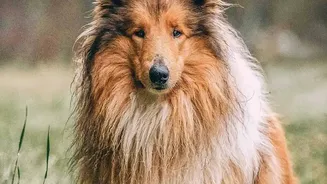
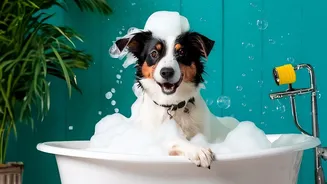
A damp coat is a welcome mat for skin infections. Even if a dog's outer fur feels dry, the undercoat can retain moisture for hours, creating the warm, humid environment that fungi and yeast love. Daily grooming is key. Brush your pet every day to detangle fur, improve airflow to the skin, and remove any dirt. After any exposure to rain, towel-dry your pet thoroughly, focusing on the belly, underarms, and skin folds. For breeds with thick coats, a pet-friendly dryer on a low heat setting can be a huge help. Contrary to what you might think, bathing should be less frequent during the monsoon, as over-bathing strips the skin's natural protective oils. When you do bathe them, using a vet-approved antifungal shampoo can provide an extra layer of protection.
Diet, Hydration, and Immunity
Monsoon is a time to be extra vigilant about what your pet eats and drinks. Stagnant puddle water is off-limits, as it can be teeming with parasites and bacteria that cause gastrointestinal issues. Always provide fresh, clean drinking water, and consider using filtered or boiled water to be safe. High humidity can also cause dry pet food to spoil or grow mould faster, so store it in an airtight container and check it for freshness before every meal. Some veterinarians recommend adding an immunity-boosting supplement to your pet's diet during the rainy season to help them fight off potential infections. A strong immune system, supported by a clean diet, is the body's first line of defence.
Indoor Environment and Parasite Patrol
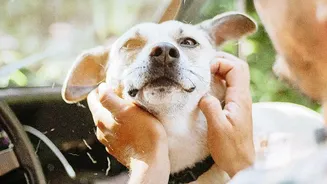
Your home environment is just as important as outdoor care. Keep your pet's bedding clean and, most importantly, dry. Wash their bedding more frequently than usual, ideally weekly in hot water. Because walks may be shorter or less frequent during heavy rain, pets can get restless. Beat boredom with indoor activities like puzzle feeders, hide-and-seek, or short training sessions to keep them mentally stimulated. Finally, make parasite checks a daily habit. Ticks and fleas are at their peak during the monsoon. Run your hands over your pet's entire body each day, checking for any unusual bumps. Pay close attention to areas around the ears, neck, and paws. Catching a tick early can prevent the transmission of serious diseases.