


A Greener Footprint, One Thread at a Time
Every year, a staggering amount of textile waste ends up in landfills, where it can take centuries to decompose. Upcycling offers a creative and impactful solution. By transforming old t-shirts, worn-out bedsheets, or fabric offcuts into a beautiful rug,
you are actively diverting waste and reducing the demand for new materials. This process gives a second life to items that would otherwise be discarded, making it a powerful choice for anyone looking to build a more sustainable home. Unlike some forms of recycling that break materials down, upcycling preserves the integrity of the fabric, turning it into something of higher value—a concept that sits at the heart of conscious living.
The Soul of a Handmade Home
There is an undeniable warmth and character that handmade items bring into a space. Unlike factory-made products, a handwoven rug is imbued with the story of its creation and the history of the materials used. That old floral sheet from your childhood or the t-shirt from a memorable trip can be woven into the very fabric of your home, creating a tapestry of memories underfoot. This process results in a piece that is inherently unique; no two handmade scrap rugs are ever exactly alike. This individuality is a welcome antidote to the uniformity of mass-market decor, allowing your home to reflect your personal journey and values.
The Allure of Imperfect Beauty
Handmade decor celebrates the beauty of imperfection. Slight variations in colour, texture, and weave are not flaws but signatures of the human touch. A woven scrap rug, with its rustic charm and subtle irregularities, adds a layer of authenticity that polished, machine-made items often lack. This 'perfectly imperfect' quality makes a space feel more lived-in, approachable, and real. It moves away from a showroom aesthetic towards a home that is genuinely comfortable and welcoming. Incorporating these kinds of pieces introduces a relaxed and effortless sophistication.
Weaving in Texture and Warmth
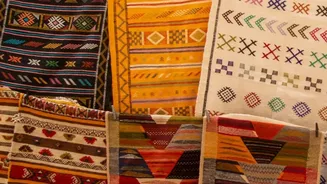
Interior designers often talk about the importance of texture in creating a rich, layered, and inviting space. Woven rugs excel at this. The interplay of different fabrics—soft cotton, sturdy denim, stretchy jersey—creates a tactile experience that adds depth and comfort to a room. Placed on a hardwood floor or layered over a larger, neutral carpet, a colourful scrap rug can ground a seating area, define a space, and introduce a welcome pop of colour and pattern. The natural, fibrous quality of a woven rug helps to soften hard surfaces and absorb sound, making your living room feel cosier and more serene.
A Connection to Craft and Creativity
The practice of making rag rugs has a long history rooted in thrift and resourcefulness. It was a way for households to make the most of every available resource. Reviving this craft today is not just about nostalgia; it’s about reconnecting with the satisfaction of making something with your own hands. The process itself—whether braiding, crocheting, or looming—can be a therapeutic and rewarding activity. Even if you purchase a rug from an artisan, you are supporting a small business and helping to keep traditional skills alive. This connection to craftsmanship adds another layer of meaning to the objects we choose to live with, turning a simple decorative item into a conversation piece.