



Why Cats Crave Height
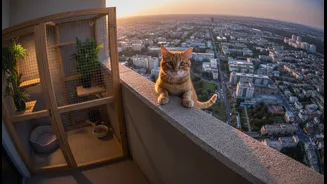
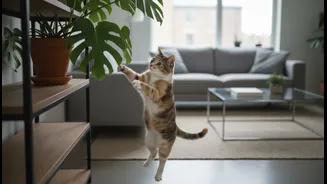
If you've ever found your cat perched atop a bookshelf or refrigerator, you've witnessed a deeply ingrained instinct at play. For cats, height equals safety and control. This behavior is a relic from their wild ancestors, who were both predators and prey.
An elevated vantage point allowed them to survey their territory for potential meals while simultaneously watching for larger threats. Even though your domesticated companion doesn't face the same dangers, the instinct to seek high ground remains powerful. It gives them a sense of security, allowing them to observe household activities from a safe distance. In their minds, a high perch is a place of power and observation, a safe zone where they can relax and feel in charge of their domain.
The Benefits of Going Up
Adding vertical territory does more than just satisfy a primal instinct; it offers significant psychological and physical benefits. For starters, it effectively increases the size of your home from your cat's perspective. In multi-cat households, this is a game-changer. It allows cats to establish their own spaces and reduce conflict by creating distance rather than fighting. A cat tree with multiple levels or a series of shelves can promote harmony by giving each feline their own personal spot. Vertical spaces also combat boredom and stress, which can lead to destructive behaviors like scratching furniture. Climbing, jumping, and exploring new paths provide crucial mental stimulation and physical exercise, helping to prevent obesity and keep your cat agile and healthy.
The Classic: Cat Trees and Condos
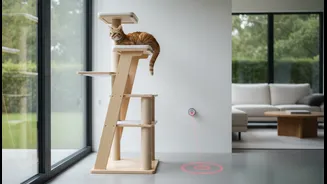
The most straightforward way to introduce verticality is with a traditional cat tree or condo. These are all-in-one solutions that often combine multiple perches, scratching surfaces, and hiding spots. When choosing one, look for stability—a wobbly tree will be ignored. Height is also key; taller trees are generally more appealing. Ideally, the structure should have multiple levels and paths so that more than one cat can use it without getting cornered. Placing a cat tree near a window can provide hours of entertainment as your cat watches birds and the world outside. Many also incorporate materials like sisal rope, which satisfies their natural urge to scratch and helps maintain healthy claws.
Creating a Wall-Top World
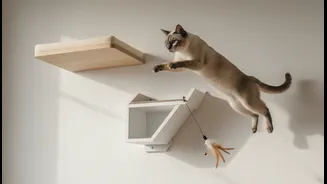
For those with limited floor space, wall-mounted shelves are an elegant and highly effective solution. These can be arranged to create a 'cat superhighway' around a room, allowing your pet to navigate their territory without ever touching the floor. You can buy ready-made cat shelves or create a DIY system using sturdy wooden planks and strong brackets. Ensure the shelves are wide enough for your cat to comfortably lounge on, typically at least 10-12 inches deep. Covering them with a non-slip material like carpet remnants provides grip and makes them more comfortable for napping. By staggering the shelves, you can create a fun and challenging climbing path that engages their problem-solving skills.
Get Creative with Existing Furniture
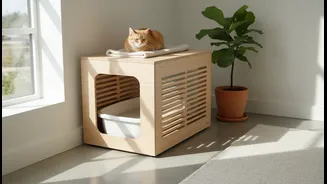
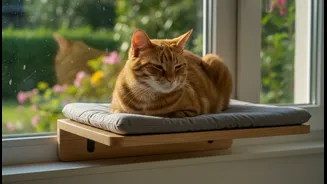
You don't necessarily need to buy new furniture to expand your cat's vertical world. Look around your home for existing opportunities. Clearing the top of a sturdy bookcase, cabinet, or wardrobe can instantly create a desirable high perch. Simply place a soft blanket or bed on top to make it more inviting. Window sills are another prime location. If they are wide enough, they're perfect sunbathing and bird-watching spots. If not, you can install a suction-cup window perch or hammock to give them the view they crave. The key is to see your home through your cat's eyes and recognize that any stable, elevated surface has the potential to become a treasured part of their kingdom.