





The Problem with 'Been There, Done That'
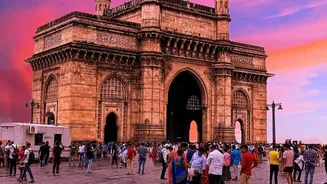
For decades, the measure of a good holiday was a checklist of famous sights. But this model has created a significant problem: overtourism. Popular destinations in India, like Shimla, Manali, and parts of Goa, are groaning under the pressure of visitor
numbers that far exceed their capacity. This leads to environmental strain, including pollution and waste management issues, immense pressure on local infrastructure, and a diluted, often stressful, experience for the visitor. Many travellers are experiencing fatigue from the one-size-fits-all nature of traditional tourism, which often prioritises seeing over experiencing. The desire is shifting from simply visiting a place to genuinely connecting with it.
The Search for Authentic Connection
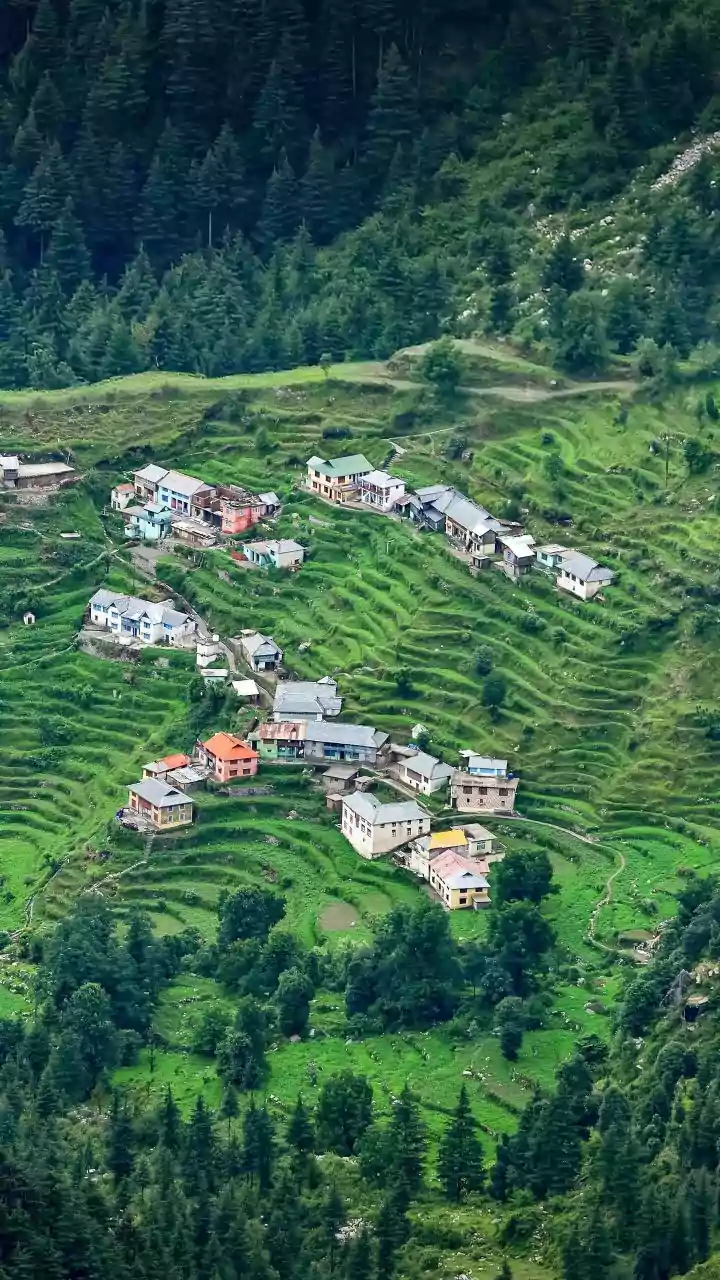
This is where immersive, community-led stays come in. Unlike a conventional hotel, these accommodations—often homestays or locally-run guesthouses—offer a window into the soul of a destination. The appeal lies in authenticity. Travellers are no longer passive observers; they are active participants. They share meals with host families, learn a few words of the local language, explore neighbourhood markets, and hear stories that no guidebook could ever provide. This style of travel satisfies a deep-seated curiosity about the local way of life, turning a simple vacation into a journey of cultural discovery and personal connection.
Economic Empowerment for Local Communities
One of the most powerful arguments for community-led tourism is its economic impact. In traditional tourism models, a large portion of tourist spending often goes to large corporations, with profits leaking out of the local economy. Community-based tourism flips this script. When you stay in a family-run homestay, buy crafts directly from artisans, or hire a local guide, your money directly supports the people and the place you are visiting. This model fosters micro-entrepreneurship, creates sustainable livelihoods, particularly for women and youth, and helps preserve cultural heritage by making it economically viable. It empowers communities to have control over tourism development in their area, ensuring it grows in a way that benefits them directly.
A Shift Towards Responsible Travel
Modern travellers are increasingly aware of their environmental and social footprint. This has fueled the rise of 'regenerative travel'—an approach that aims to leave a place better than you found it. While sustainable tourism focuses on minimising harm, regenerative travel is about actively contributing to the well-being of the destination's ecosystem and community. Choosing a community-led stay aligns with this ethos. It's a conscious decision to support a model that is smaller in scale, lower in environmental impact, and richer in cultural exchange. It represents a move away from passive consumption towards purposeful engagement.
The Rise of the 'Traveller', Not the 'Tourist'
Ultimately, this trend reflects an identity shift. People increasingly want to see themselves as 'travellers' on a journey of discovery, rather than 'tourists' consuming a product. The homestay market in India is booming, with one 2022 report noting an 85% growth compared to a 25% increase for hotels, signalling a significant change in preferences. This is especially true for younger demographics who prioritise meaningful, shareable experiences over standardised luxury. They seek personal growth, new perspectives, and stories worth telling. By choosing an immersive stay, travellers are not just booking a room; they are choosing to engage, learn, and connect on a human level, making the journey itself the destination.