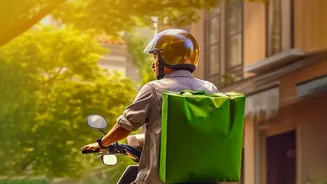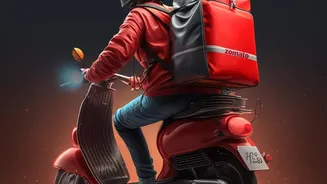


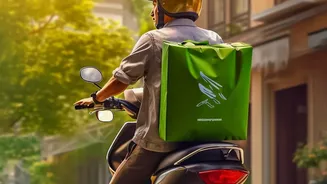

As millions of gamers settled in for the most anticipated entertainment launch in a decade, another industry was preparing for its own marathon: food delivery. The release of Grand Theft Auto VI wasn't just a win for its publisher; it was a boom for kitchens
and couriers.
The 'Grand Theft Auto' Effect on Appetites
The launch of Rockstar Games' 'Grand Theft Auto VI' on November 19 was a monumental event, smashing sales records. But its impact was felt far beyond the world of gaming. Food delivery services across the United States reported a significant and immediate spike in late-night orders. Market intelligence firm Sensor Tower forecasted a staggering 50 million extra food app visits in the 30 days following the game's release. On launch night, platforms like Uber Eats and DoorDash saw order volumes for classic gamer fuel—pizza, burgers, and energy drinks—jump by double-digit percentages. In Miami, the real-life inspiration for the game's Vice City, late-night Uber Eats orders surged over 30%. This pattern highlights a powerful, predictable collision between major pop culture moments and everyday consumer behavior.
Fueling the Virtual Marathon
So, why does a video game launch translate so directly into food sales? The answer lies in the nature of modern gaming. Around 80% of gamers regularly eat or drink while playing. For a highly immersive, narrative-driven game like GTA VI, players are reluctant to pause for anything, let alone to cook a meal. This creates a captive audience for services that offer maximum convenience. Recognizing this, delivery platforms curated their offerings for the event, with Uber Eats promoting 'one-handed' meal deals from partners like McDonald's and Wingstop. The goal is to keep gamers in the game, and delivery services have become an essential part of the ecosystem that makes marathon sessions possible. Studies show gamers already order food more frequently than average consumers, a trend that goes into overdrive during a major new release.
A Ripple Effect Across the Economy
The economic ripple effect of the GTA VI launch extends to restaurants, advertisers, and even the labor market. While the extra delivery orders amounted to an estimated $7 million to $17 million for Uber and DoorDash on launch night, the broader story is about shifting consumer habits. Brands are increasingly treating game launches like major sporting events, creating targeted campaigns and special promotions. Kellogg's, Chipotle, and Heinz have all launched successful marketing initiatives aimed at the gaming demographic, leveraging platforms like Twitch and partnerships with influencers. However, the launch also created logistical challenges. Data from one scheduling platform showed a 92% week-over-week increase in missed restaurant shifts on launch day, as many employees—presumably—were at home playing. This demonstrates how a single entertainment product can disrupt daily economic patterns on a national scale.
The New Blueprint for Entertainment Launches
The 'GTA effect' is not an isolated incident but rather the most dramatic example of an established trend. Major entertainment releases, from blockbuster movies to new seasons of hit shows, reliably drive spikes in at-home consumption. AMC Theatres, for instance, has built a multimillion-dollar business delivering its popcorn and other concessions to people's homes. What makes the gaming audience particularly valuable is its high level of engagement and predictability. Brands know gamers snack frequently, prefer convenient formats, and are receptive to digital marketing. As food and beverage companies refine their strategies, they are moving beyond simple ads to create integrated experiences, like in-game rewards or streamer partnerships that feel authentic to the gaming community. This synergy is reshaping how brands connect with modern consumers, turning cultural moments into commercial opportunities.