




The Boy We All Knew
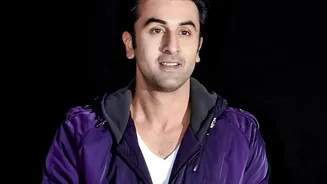
In the late 2000s and early 2010s, Ranbir Kapoor became the face of a new kind of Bollywood protagonist: the flawed, urban everyman. He wasn’t playing an infallible hero, but rather characters who felt grounded in reality. In Wake Up Sid (2009), he was the archetypal
spoiled rich brat forced to confront adulthood, a story that resonated deeply with young, metropolitan audiences finding their own footing. His role as the idealistic Harpreet Singh Bedi in Rocket Singh: Salesman of the Year (2009) further cemented this image, portraying an honest graduate navigating a corrupt corporate world. Films like Yeh Jawaani Hai Deewani (2013) and Tamasha (2015) continued this trend. He played Bunny, a man chasing his dreams at the expense of his relationships, and Ved, who struggled between a conformist life and his true, creative self. These weren't characters defined by grand gestures, but by their internal conflicts, their search for identity, and their everyday vulnerabilities, making them incredibly accessible.
The Bridge to a New Persona
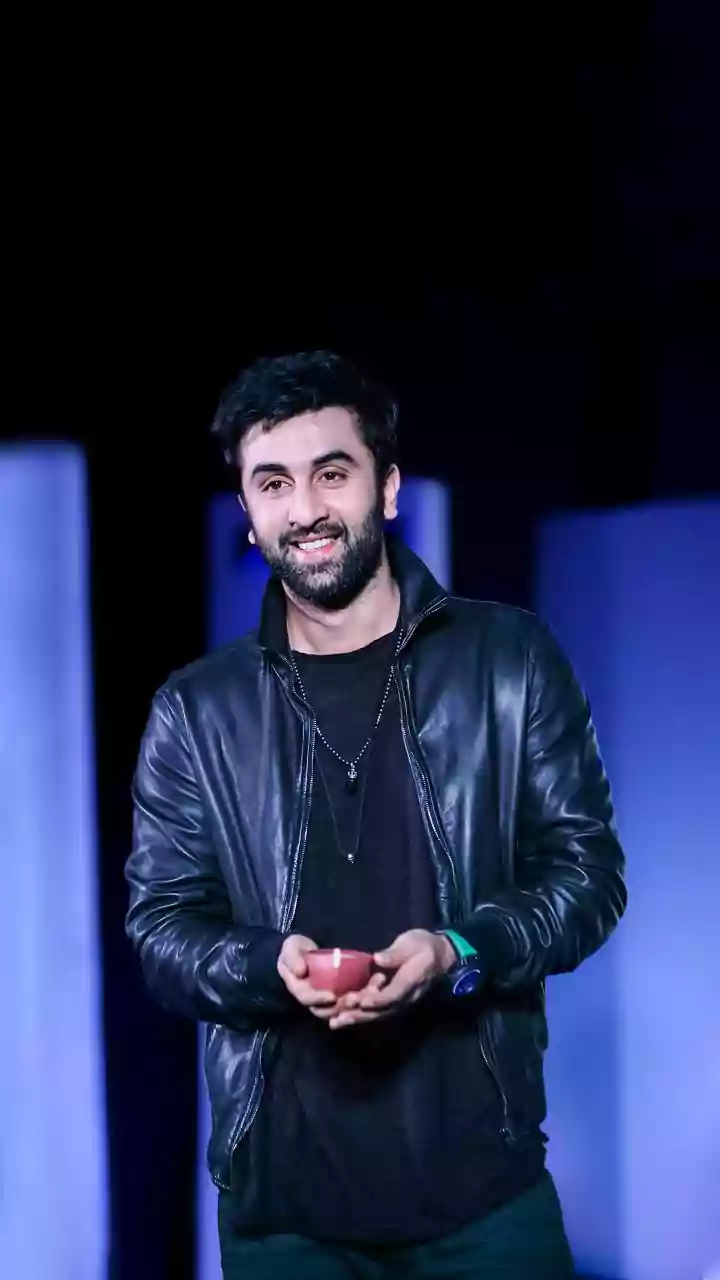
The transition from this boy-next-door to a cinematic powerhouse wasn't sudden. It was a gradual evolution, with several key films serving as a bridge. Rockstar (2011) was perhaps the first major departure. His portrayal of Jordan, a musician’s tumultuous journey from aspiring artist to a self-destructive icon, demanded a far greater scale of intensity and emotional range. Then came Sanju (2018), a career-defining biopic where he portrayed actor Sanjay Dutt. This role required a significant physical and emotional transformation, as Kapoor had to embody a real-life figure across different, highly publicised stages of his life. The performance was less about simple imitation and more about interpreting a complex, controversial personality, proving he could carry a film built around a larger-than-life narrative. Sanju was a blockbuster success and demonstrated that audiences were ready to accept him in these more commanding, heavyweight roles.
Embracing the Alpha
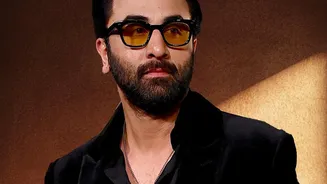
In recent years, the shift has become undeniable. With Brahmāstra: Part One – Shiva (2022) and particularly Animal (2023), Kapoor fully embraced characters that are mythic, archetypal, and far removed from his relatable origins. As Shiva in Brahmāstra, he stepped into the world of a large-scale fantasy epic. But it was his role as the volatile and morally ambiguous Ranvijay Singh in Animal that marked his most radical transformation. This character was aggressive, brutal, and operated on a primal code of conduct, a stark contrast to the sensitive, soul-searching men he once played. The film itself, with its graphic violence and controversial themes, was designed for shock and spectacle. Kapoor’s performance was praised for its conviction, even as the film sparked intense debate about its depiction of toxic masculinity. It was a deliberate move into a darker, more 'adult-rated' space, as the actor himself has acknowledged.
Artistic Choice or Box Office Compulsion?
So, what prompted this change? The answer likely lies in a combination of artistic ambition and commercial reality. As an actor, Kapoor has spoken about the need to constantly evolve, challenge himself, and surprise audiences by exploring diverse genres. After a string of experimental films that didn't find commercial success, there may have been a conscious decision to focus on more commercially viable projects. This shift also coincides with a broader trend in Indian cinema, which is increasingly dominated by large-scale, pan-Indian event films that prioritize spectacle over subtlety. The larger-than-life hero, once a staple of a bygone era, has made a roaring comeback. By stepping into these roles, Kapoor is not just evolving as an actor but also solidifying his position as a major box-office force in a changing industry. He is moving from being a relatable star for a specific generation to a mass-market icon for a new cinematic era.