






Beyond the Generic Warm-Up
A proper warm-up is designed to prepare your body for the specific physical activity to come. While light cardio is a good start, it doesn’t fully prime the muscles and movement patterns you'll use in a targeted strength training session. The goal isn't
just to get warm; it's to increase muscle elasticity, enhance joint mobility, and activate the correct neuromuscular pathways for the work ahead. Studies have shown that dynamic, movement-specific warm-ups can improve performance and play a pivotal role in injury prevention. Simply put, a runner's warm-up should look different from a weightlifter's because their activities demand different things from the body.
The Three-Phase Approach to a Smarter Warm-Up
Think of an effective warm-up in three distinct phases. The first is a general temperature raiser. This involves 5 to 10 minutes of light-intensity cardio like cycling, rowing, or brisk walking. The purpose is to increase your core temperature, dilate blood vessels, and ensure your muscles are supplied with oxygen. This gradual increase helps minimize stress on your heart and prepares your entire system for more demanding work. You should feel slightly warmer and perhaps be breaking a light sweat, but you should not feel fatigued.
Dynamic Stretching Over Static Holds
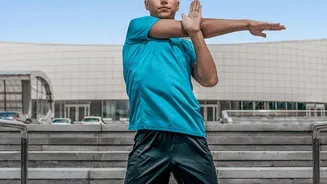
The second phase is all about mobility. This is where dynamic stretching comes in. Unlike static stretching, where you hold a position for 30 seconds or more, dynamic stretching involves active movements that take your joints through their full range of motion. Think of leg swings, arm circles, and torso twists. This type of stretching is a rehearsal for the main event, increasing blood flow and signalling to your body that it's time to move. Research suggests that pre-workout static stretching can sometimes temporarily weaken muscles, whereas dynamic stretching prepares them for activity, improves performance, and reduces injury risk. Save the long, static holds for your cool-down to improve long-term flexibility.
Priming with Specific Movements
The final and most crucial phase is movement-specific activation. This is where you directly rehearse the exercises in your workout, but with little to no weight. If you're planning to do heavy barbell squats, this phase would include bodyweight squats to perfect your form and activate the glutes, quads, and core. Before a bench press session, you might perform push-ups or use an empty barbell. These are not working sets; they are practice reps. They groove the motor patterns your brain will use for the heavier lifts, ensuring that the right muscles are firing efficiently and synergistically from the very first rep of your main workout. This specific preparation is a key factor in maximizing strength and stability.
Putting It All Together: A Sample Plan
So, what does this look like in practice for a lower-body strength day focused on squats and lunges? Start with 5-7 minutes on an exercise bike or rower (Phase 1). Then, move into a dynamic stretching circuit including 10-12 leg swings per side, walking lunges with a torso twist, and hip circles (Phase 2). Finally, perform two sets of 10-15 bodyweight squats, focusing on depth and control. You could also add a set of glute bridges to ensure your posterior chain is engaged. After this 10-15 minute routine, your body will be specifically primed for the squats and lunges ahead (Phase 3). This targeted approach prepares your body far more effectively than a generic jog, setting you up for a better, safer workout.