




The Native Plant Advantage
You might wonder what makes a native plant so special. Why choose a local Parijat over an exotic orchid? The answer lies in thousands of years of co-evolution. Native plants and local wildlife have developed a deep, intricate relationship that imported
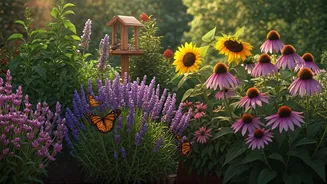
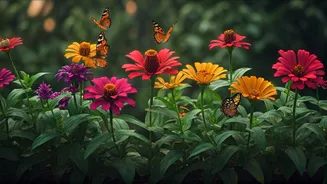
species simply cannot replicate. Local birds, bees, butterflies, and insects have adapted to recognise native flora as sources of food, shelter, and breeding grounds. The shape of a sunbird's beak is perfectly suited to the curve of a native flower; the caterpillars of a specific butterfly might only feed on the leaves of one particular indigenous plant. When you plant exotics, you might get a beautiful bloom, but you are essentially creating a food desert for the local fauna. Native plants, on the other hand, ring the dinner bell for an entire ecosystem, inviting life to your doorstep.
Your Starting Five: Balcony-Friendly Natives
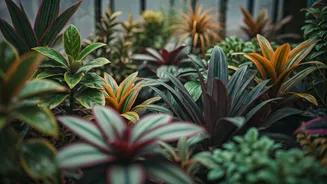
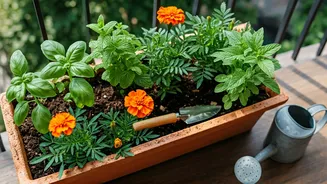
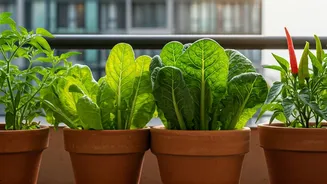
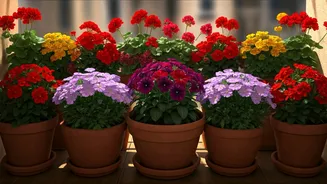
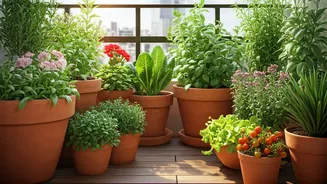
Getting started is easier than you think. Many Indian native plants are hardy, accustomed to our climate, and thrive in containers. Here are five excellent choices to begin your sanctuary: 1. **Tulsi (Ocimum tenuiflorum):** More than just a sacred herb, Holy Basil is a magnet for bees and small pollinators. It's easy to grow, requires moderate sunlight, and its fragrant leaves have myriad uses in the home. 2. **Shankhpushpi / Butterfly Pea (Clitoria ternatea):** This stunning vine produces deep blue flowers that are a favourite of carpenter bees and butterflies. It’s a fast-growing creeper that can be trained along your railing, adding a beautiful curtain of green and blue. 3. **Parijat (Nyctanthes arbor-tristis):** Known as the night-flowering jasmine, the Parijat drops its intensely fragrant flowers at dawn. These small, white-and-orange blossoms attract nocturnal moths and provide a scented carpet in the morning. It can be grown as a large shrub in a big pot. 4. **Curry Patta (Murraya koenigii):** A staple in Indian kitchens, the curry leaf plant also serves the ecosystem. Its flowers provide nectar for bees and butterflies, and its leaves are a food source for the larvae of the common mormon butterfly. 5. **Indian Jasmine / Chameli (Jasminum multiflorum):** Several varieties of jasmine are native to India. Their star-shaped, fragrant flowers are a beacon for moths and butterflies, filling your balcony with a classic, beloved scent.
More Than Just Plants
A true sanctuary provides more than just food. To complete your balcony habitat, consider adding a source of water. A simple, shallow terracotta dish (a ‘sakora’) filled with fresh water is all you need. Place a few pebbles or marbles in it to give small bees and birds a safe place to land and drink without drowning. This one small addition can dramatically increase the number and variety of birds that visit you. Equally important is what you *don't* do. Avoid chemical pesticides and fertilisers at all costs. These chemicals are indiscriminate, harming the beneficial insects and birds you’re trying to attract. Opt for organic solutions like neem oil spray to manage pests if they appear.
Your Balcony, A Vital Urban Link
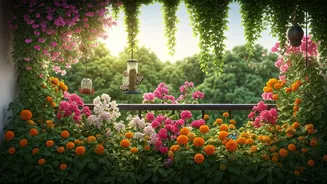
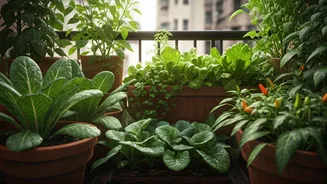
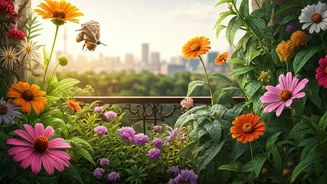
It might feel like one small balcony can't make a difference, but that couldn’t be further from the truth. Cities are fragmented landscapes for wildlife. A park might be kilometres away from the next green space, making it a perilous journey for a tiny butterfly or bee. Your balcony, filled with native plants, becomes a crucial 'stepping stone'. It's a refuelling station, a safe resting spot on a long journey. When your balcony connects with a neighbour's, and theirs with another down the street, you collectively create a 'green corridor' through the urban jungle. You are not just gardening; you are actively participating in ecological restoration, one pot at a time. You are helping weave nature back into the fabric of your city.