




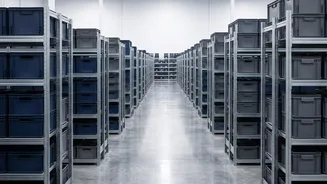
What Exactly Is a 'Dark Store'?
Behind every quick-commerce promise from companies like Zepto, Blinkit, and Swiggy Instamart is a 'dark store'. The name sounds mysterious, but the concept is simple: it is a small, local warehouse that you, the customer, will never see. Unlike a regular
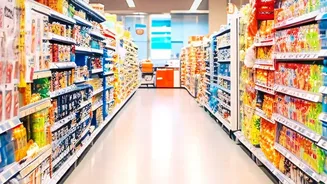
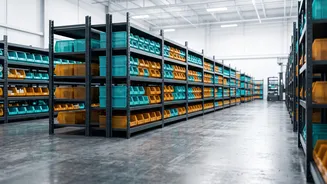
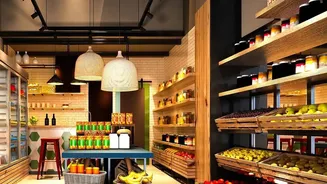
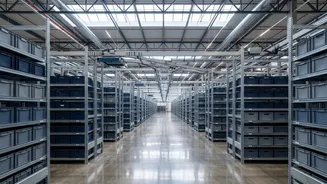
supermarket, there are no shopping aisles, checkout counters, or walk-in customers. Instead, these spaces, typically ranging from 2,000 to 5,000 square feet, are optimised for one thing only: speed. They are packed with a curated selection of 3,000 to 5,000 of the most popular items in that specific area, from chips and soft drinks to dairy products and basic toiletries. The layout is designed for employees—often called pickers—to locate and pack an order in under 90 seconds. The store is 'dark' to the public, but inside, it is a brightly lit, highly organised hub of activity designed to get your order out the door.
The Engine Room of 10-Minute Delivery
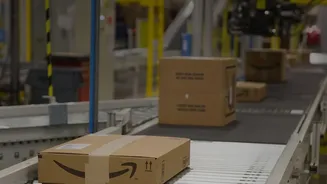
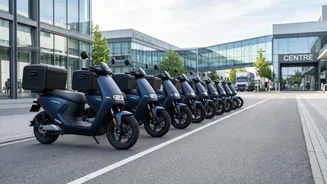
The entire quick-commerce model hinges on the strategic placement of these dark stores. Each one serves a tight delivery radius, usually just two to three kilometres. This proximity is the secret sauce. When an order comes in, it is routed to the nearest dark store. A picker gets the alert, sprints through the aisles collecting the items, and hands the packed bag to a waiting delivery rider. Because the distance is so short, the entire process from tap to doorbell can be completed in minutes. This hyperlocal model bypasses the city's notorious traffic, a challenge that makes centralised warehouses impractical for instant delivery. Bengaluru, with its more than 629 dark stores as of mid-2026—the highest of any Indian city—has become the epicentre of this logistical revolution.
Bengaluru: A Perfect Ecosystem
Several factors make Bengaluru uniquely fertile ground for the dark store boom. The city's massive, tech-savvy population of young professionals in dual-income households have disposable income but are short on time. For them, the convenience of avoiding a trip to the store is a powerful value proposition. Furthermore, Bengaluru's urban geography, characterized by high-density residential clusters and large apartment complexes, is a goldmine for quick commerce. A single rider can serve dozens of orders within one building, dramatically improving the economics of last-mile delivery. The city is also the headquarters for major players like Swiggy, Flipkart, and BigBasket, creating a fiercely competitive environment that fuels rapid expansion and innovation.
The Impact on City Neighbourhoods
The rapid proliferation of dark stores is visibly reshaping Bengaluru's urban landscape. These companies are leasing unconventional real estate—ground floors of older buildings, defunct shops, and small industrial sheds—driving up commercial rents in residential areas. This has created a new real estate sub-category, with demand for urban logistics space in India projected to hit 75 million square feet by 2030, a significant portion driven by dark stores. The constant buzz of delivery riders has also become a new feature of neighbourhood life, raising questions about traffic flow and public space. Perhaps most significantly, the model presents a direct challenge to traditional kirana stores, which have historically served the same function of providing daily essentials. Retailer associations have voiced concerns about unfair competition from these heavily funded platforms.
The Billion-Dollar Question of Profitability
Despite its explosive growth, the quick-commerce industry operates on razor-thin margins and is incredibly cash-intensive. High costs for prime real estate, a large workforce of pickers and riders, and intense competition that necessitates discounts mean that profitability remains a major challenge. While some market leaders like Blinkit have recently posted narrow operating profits, others continue to burn significant amounts of cash in the race for market share. The future sustainability of the model depends on achieving high order density—getting enough orders per store per day to cover the high fixed costs. To achieve this, companies are expanding beyond groceries into higher-margin categories like electronics, beauty products, and home goods.