



Assess the Park Before You Enter
Don't just open the gate and let your dog run wild. Take a moment to observe the scene. Is it overly crowded? Does the play look rough or one-sided? For a dog coming from a quiet apartment, a high-energy, chaotic park can be immediately overwhelming.
Consider visiting during off-peak hours, like early mornings or midday, for your first few trips. This allows your apartment dog to get acquainted with the new environment without the stress of a large, boisterous pack.
Master the Entrance and Leash Drop
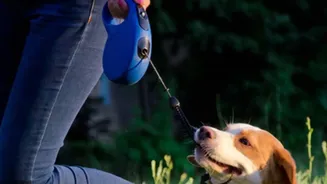
The entrance gate is often a point of high tension. Don't allow your dog to pull you excitedly into the park. Teach them to enter calmly. Many parks have a double-gated area; use this space to unleash your dog before they join the fray. A leashed dog in a crowd of off-leash dogs can feel trapped and defensive, which can increase the risk of a negative interaction. Keeping your dog on a leash while others are free can signal vulnerability and may lead to unwanted attention or aggression.
Become a Canine Body Language Expert
Understanding your dog's signals is the most critical part of preventing stress. A happy dog has a loose, wiggly body and engages in reciprocal play. Signs of stress or discomfort are often subtle and can include a tucked tail, a closed mouth, excessive lip licking, yawning when not tired, or trying to hide behind you. If you see these behaviours, it's time for a break or to leave. Also, watch for bullying behaviour, such as one dog persistently chasing or pinning another who is trying to get away. Healthy play involves give-and-take.
Stay Actively Engaged, Not on Your Phone
A trip to the dog park is not the time to catch up on emails or scroll through social media. Active supervision is mandatory. You need to be close enough to intervene if play gets too rough or if your dog seems overwhelmed. For apartment pet parents, this is especially important. Your dog might be less experienced in social cues, and you are their primary advocate. Being attentive allows you to spot potential issues before they escalate and ensures you can redirect your dog if needed.
Leave the Treats and Special Toys at Home
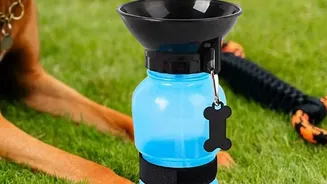
Bringing high-value items like food, treats, or a favourite toy into a communal space is a common mistake that can lead to resource guarding and fights. Even if your dog is good at sharing, another dog might not be. To prevent competition and potential aggression, it's best to keep these items out of the park. If you want to reward your dog, use verbal praise. Water is the only essential you should bring, especially if the park doesn't have a reliable water source.
Ensure Your Dog is Healthy and Prepared
Before you even consider going to a dog park, ensure your dog is healthy and up-to-date on all vaccinations and parasite prevention. Dog parks can be hotspots for spreading illnesses like kennel cough. Also, never bring a female dog in heat to the park. From a training perspective, your dog should have a reliable recall command. You must be confident that you can call your dog away from a potentially tricky situation. This is a non-negotiable safety requirement for off-leash play.
Always Clean Up After Your Dog
This rule is about more than just courtesy; it's about public health. Dog waste can carry parasites and diseases that can harm other dogs. Always carry poop bags and clean up your dog's mess immediately. Leaving it behind is not only unpleasant for other park visitors but also poses a health risk to the entire canine community. A clean park is a safer park for everyone.